News Categories: Education & Employment

  • Huu-ay-aht allocates funds to elders and education and training program

    Taking care of its citizens is a priority for Huu-ay-aht First Nations, and therefore Executive Council is proud to announce two initiatives that will improve the quality of life for members of the Nation.

    The government is creating an education and training fund of $2 million if there is a yes vote on the proposed LNG project in Sarita Bay. This fund is intended to cover the next three years, but it can be increased if there is enough demand to warrant it. The focus of the trades and training program will be on preparing youth for the future, but it will be available to all citizens.

    Ensuring our elders are taken care of is of upmost importance, therefore Executive Council is pleased to announce that as of April 1, 2017, Huu-ay-aht elders will see an increase to their Elder’s Benefit to $200 monthly. If the Nation votes in favour of moving forward on the LNG facility on March 25, 2017, as of May 1, 2017 this will increase to $500 a month.

    The funds for both projects would be supported by the proposed LNG project, and therefore if the project does not move forward, it is not financially viable.

    “In the position I hold with my Nation one of my biggest responsibilities is looking after citizens,” explains Tayii Ḥaw̓ił ƛiišin (Derek Peters). “That means we must use our values to create opportunities for our Nation, and the benefits from these opportunities must be passed along to citizens.”

    These decisions are based on promises made to citizen in the 2016-2020 Strategic Plan. These include commitments to promote employment of Huu-ay-aht citizens in secure, high paying jobs. In order to take advantage of these opportunities, citizens must have access to training and education. By embracing ʔuuʔałuk, and fostering growth and capacity building in our citizens, we will ensure the success of our people, families, and Nation for generations to come.

  • Businesses offer employment to Huu-ay-ahts

    When Huu-ay-aht First Nations signed the Maa-nulth Treaty in 2011, one of the main reasons was to create opportunities for its people.

    Five years later, that is exactly what it has done.

    Since becoming self-governing, Huu-ay-aht has had many opportunities to create wealth and opportunities for the Nation, such as forestry, fishery, and other businesses. Gradually more citizens have been receiving training and finding employment, but nothing has been as successful in job creation as the purchase of 11 properties in Bamfield earlier this year. This move has pushed Huu-ay-aht into the hospitality industry with two feet.

    The property purchase includes four turn-key operations – The Motel, The Pub, the Kingfisher, and Ostroms Guest House. It also offered the opportunity to combine two gas bars into one and open the float house as a tourist information centre and convenience store. The businesses, plus The Market and Café means that Huu-ay-aht has a strong presence in Bamfield, but it also opens many doors for Huu-ay-ahts looking for work in their traditional territory.

    “With many of these jobs there’s not a lot of barriers to enter the workforce,” explains Bobby Toor, Hospitality Manager for the Huu-ay-aht Group of Businesses. “Most jobs require little to no experience to do them, so it’s a great opportunity.”

    Toor has hired approximately 12 Huu-ay-ahts to fill the vacant positions at The Motel, The Pub, Ostroms and the Kingfisher available since the purchase. He says that is not 100 per cent Huu-ay-aht, which is the ultimate goal, but it is getting pretty close.

    Toor says it is important to hire and train Huu-ay-aht citizens for more reasons than that their Nation owns the businesses. He explains that they have personal reasons for wanting the businesses to succeed, and that will hopefully create an extra drive to do the job well.

    “It also give us a competitive advantage,” he adds. “It offers us something other businesses can’t – the Huu-ay-aht experience.”

    He says people want to hear about the history of the area and the traditions and stories of the First Nations who have called it home for centuries. It only makes sense to hire Huu-ay-ahts so that the businesses that are owned by the Nation offer that unique experience. Although the businesses will train all of their staff to be Huu-ay-aht ambassadors, it makes the experience more genuine if the people telling the stories have a connection to the land and the culture.

    Pachena Campground and Gas Bar is a huge success story when it comes to offering employment to Huu-ay-aht citizens. This season has been busy with lots of exciting things going on around the campsite. Not the least of these is that this year job opportunities at the campsite brought eight Huu-ay-ahts home to their traditional territory, and all 11 of the staff are Huu-ay-aht citizens.

    Having Huu-ay-ahts working at the campsite adds to the experience for the visitors every summer, as they are able to talk about the cultural significance of the land and add details others might not know.

    One challenge is finding the right person for the right job, as working physical labour on a campsite is not for everyone.

    Esther Jackway manages The Floathouse, The Market and Café. Although Huu-ay-aht has owned these businesses for a number of years, the demand for staff continues to grow.

    Esther believes these businesses can offer year-round employment for Huu-ay-aht citizens. Unfortunately, she has not been as successful as Toor in finding Huu-ay-ahts to work for her at the different businesses. She is hoping that will change as citizens start hearing more jobs are available. Currently, Jackway has only two Huu-ay-aht employees out of nine. She says with more positions available that should improve.

    “We are close to fully staffed, but with the extended hours, we will be needing more people,” she says. “I’m hoping that it is just bad timing. People are used to these being seasonal jobs, so we’re hoping citizens start looking for summer work soon.”

    She explains the biggest obstacle to hiring Huu-ay-ahts continues to be transportation.

    “Skills are not the issue here, we can train people,” she adds. “Unfortunately getting here can be hard. Often transportation is an issue, as citizens have to come from the Village (Anacla) to work in Bamfield.”

    She says people often believe The Market is a hard place to get employment if you are Huu-ay-aht, but that is not the case, it’s more about availability.

    “Our doors are open to anyone,” she says. “But if no one from the Village applies, we have to draw from elsewhere.”

    Huu-ay-aht First Nations remains committed to hiring and training its people. The Government offers many education and training opportunities that will give citizens the skills they need to fill positions when they become available.

    Gary Wilson says when he  accepted the role of CEO for HFN Management LP and Huu-ay-ath Group of Businesses in December 2015, he was impressed with the companies track record for recruiting and training Huu-ay-aht citizens throughout the organization. He adds that it has been, and continues to be, HGB’s objective to build on this success. The organization will work with the Nation and supporting organizations, like NETP, to create long-term, sustainable opportunities for Huu-ay-aht citizens.

    “Having said this, there are challenges that prevent us from achieving this objective in the short-term, like transportation or lack of accommodation, especially those citizens with families who move home, with which we have no immediate solutions,” he says. “Despite the challenges with respect to recruitment of citizens, we are finding creative ways to overcome the barriers to success, but such bandage like resolutions are temporary. A longer-term solution will require a collective effort of Huu-ay-aht, HGB, and others.

    Despite these challenges, the board and executive management are extremely pleased with the efforts and subsequent results of the management team in Anacla/Bamfield in terms of preparing our operations for the season and the recruitment of citizens.

    “Our next objective is to take the learnings from the experiences this year, build on the successes, and incorporate into our objectives to extend the seasons, creating long-term, eventually year-round employment and creating careers for citizens, he explains.

    Annie Merritt oversees training and employment for Huu-ay-aht First Nations. She says the Nation is there to help in any way possible. Her goal is to equip citizens with the skills they need to get jobs and stay employed.

    “We are trying to be proactive,” she explains. “We are developing tools that people can use to make sure they are ready to work, that might be a proper resume, a checklist of things to know heading into an interview, or information on who is hiring and how to get noticed.”

    She is working closely with Huu-ay-aht’s Human Resource Manager Marleen Nookemus on employment equity and diversity measures that would increase the chances of citizens getting a job with the Nation or HGB. The idea is they will offer more feedback when people apply for jobs within Huu-ay-aht and its businesses. For instance, when someone applies for a job, they will receive an automatic reply that tells them their resume has been received. If that person is a citizen, they will also receive a list of services that are available through the Nation should they need assistance. If they do not get the job, citizens will be offered the opportunity to receive feedback on why they were not chosen. This is an opportunity for them to fill in the gaps and make improvements for when the next job with the Nation becomes available. It would also be another opportunity to receive assistance from the Nation.

    For now, the Nation is focused on the jobs that are currently advertised and making sure citizens are ready to apply and fill the positions. Annie says that her current focus is getting the Nation’s employment and training services on citizens’ radar. Since these are new services, many people still don’t think to get in touch for employment support. She says it is also important to adjust the plan of action to the person instead of trying to develop a “one-size-fits-all” method. This is why the Nation is taking a varied approach in employment programming, ranging from L training, to the Trades Discovery Program, and a Cultural Tourism training program coming up in the fall.

    “It’s difficult trying to strike a balance between offering a focused training approach and meeting people where they are,” she says. “It’s important to take into consideration people’s individual interests, natural abilities and attributes, as well as practical things like schedules.”

    The Nation is also working to develop relationships with businesses and organizations who might offer employment opportunities in the future, as well as educators in the area. Annie mentions NETP, Vast, and Alberni District Secondary School as examples.

    The good news is that Huu-ay-aht is leading the pack when it comes to employment and training.  It is very uncommon for Nations to have a dedicated employment and training staff member, and this means that we can get creative with our employment programming and support.

    “But we can’t go it alone,” Annie explains, adding that Huu-ay-aht is exploring many opportunities to take advantage of opportunities by partnering with other Nations, organizations, and businesses.

    Huu-ay-aht also has a number of summer postings for students. Please go to www.huuayaht.org for more information.

    If you would like more help preparing for employment or training, contact Annie at 250-723-0100 or email her at annie.m@huuayaht.org. Employment opportunities with Huu-ay-aht are posted regularly at www.huuayaht.org.
  • Apply for NTC Scholarships by June 1

    Huu-ay-aht First Nations’ students are eligible for NTC Scholarships this year and may participate in the NTC Graduation Ceremonies on July 2.

    If you are graduating from a post secondary program this year, please submit this form to NTC by 4 PM on Wednesday, June 1: Grad Ceremony Post-Secondary Confirmation 

    If you wish to apply for scholarships, please submit the appropriate forms below by 4 PM on Wednesday, June 1 to the NTC Education Department by email, fax or at the NTC office.
    email: randy.ginger@nuuchahnulth.org
    fax: 250.724.9682
    in person:
    Nuu-chah-nulth Tribal Council
    Education Department
    5001 Mission Rd.,
    PO Box 1383
    Port Alberni, BC V9Y 7M2

    Winners will be notified by the Education Department by the end of June.
    For further information, please contact Randy Ginger at NTC at 250.724.5757 or via email.

    Grade 1 to Grade 3
    Grade 4 to Grade 12
    Eileen Haggard Memorial Scholarship

  • Listen to your Elders about “The Heart of the People”!

    This is the first part of the documentary “The Heart of the People”.  A unique opportunity to listen to Elders who are no longer with us, but speak about the Sarita River from the bottom of their tiičma (heart):

    • Willie Sport – cultural historian, fisher and trapper.
    • Lizzie Happynook – weaver whose pieces are exhibited at the Alberni Valley Museum.
    • Peter Joe – boat builder and former resident of the area.
    • Annie Clappis – member of the Huu-ay-aht Community Language Speakers.

    You can also understand the history around the Specific Claims Tribunal of the Huu-ay-aht
    First Nations regarding the value of the compensation Canada owes the Nation as a result of the way timber on former Numukamis IR1 was sold to MacMillan Bloedel in the 1940s. Forester Consultant Herb Hammond talks about how, in his opinion, the hemlock looper was used at that time as an excuse to log indiscriminately.


  • Register now for the First Responders Program in Anacla

    The Bamfield/Anacla First Responder Training Program will take place from April 25 to 30, 2016. The community expressed an interest in developing First Responder capacity recently. So, at this time, committed candidates are needed to fill 18 available spots .

    Please note that nine of the spots are reserved for Huu-ay-aht Citizens, as per the Nations’ funding requirements. This five-day course will take approximately seven hours per session, with breaks for lunch and coffee. Food and beverages are going to be provided. There is a written and practical examination on the final day.

    This is a great opportunity being delivered by the Nation, in partnership with the Justice Institute of B.C. (JIBC), as the first step in potentially offering a series of courses in Anacla that would ladder up to paramedic training in the long run. In the short term, it helps to build capacity to handle emergencies in the area.

    Registration:
    Amelia Vos – Environmental Technician
    amelia.v@huuayaht.org
    Phone: 250.728.3414, Ext. 119

  • Learn more about Culturally Modified Trees through this video!

    “Sacred Cedar: The Cultural and Archaeological Significance of Culturally Modified Trees” is a report of the Pacific Salmon Forests Project and the David Suzuki Foundation, written by Arnoud H. Stryd and Vicki Feddema. It explains that First Nations have utilized cedar for at least 3,000 years.  Wood- and bark-working tools found in archaeological sites helped discover this.

    The following video features the CMT that lays in Anacla near the entry to Pachena Bay. The intro states that “thousands of years ago, when the Huu-ay-aht people fished, hunted and carved their history into the cedar trees overlooking the Pacific Ocean, theirs were the only human voices. They had no idea that, one day, a giant ant would descend from the sky, pick up a chunk of one of those cedars and deliver it to their village…” Find out more about this story here:

  • The Language Revitalization Planning Program 2016-2017 is now open for applications

    The First Peoples’ Cultural Council is pleased to announce that the Language Revitalization Planning Program (LRPP) is now accepting applications for the 2016-2017. The LRPP supports communities that share the same language to collaboratively develop strategic language plans. The LRPP provides funding to hire a part-time Language Planning Specialist and to conduct multiple inter-community meetings to support the development of a collaborative, multi-community language strategy. B.C. First Nations communities and organizations are eligible to submit proposals.

    Application deadline: Friday, April 29, 2016 at 4 pm.

    Program description

    Application Form

    Applications may be emailed to Aliana Parker  aliana@fpcc.ca or faxed to 250-652-5953.

    For more information, please call 250-652-5952


  • Celebrate National Aboriginal Language Day

    Since 1993, Indigenous peoples in Canada have celebrated March 31st to honour the strength and endurance of our languages and cultures. While National Aboriginal Languages Day is a single day to honour the legacy we have inherited, there are thousands of Indigenous Language Champions creating and delivering Indigenous languages programs and traditional teachings every day. We celebrate the work of our Indigenous Language and Culture Champions to revitalize and seek ways to sustain survival of our languages.

    We acknowledge the difficult burden they have carried to reverse more than a century of attempts, primarily through residential schools, to erase our languages and identity. Twenty-seven years ago, the Indigenous peoples of Hawai’i had only 50 surviving fluent speakers. Today, their education system supports Language Nests and Immersion Programs. Their language and culture is taught in all grade levels, and into college and university programs – from early childhood education to PhD. They now have more than 10,000 fluent Hawaiian speakers. It is our legacy, as our Hawaiian and Maori brothers and sisters have done, to sustain the struggle to ensure that our communities have equality of opportunity to live and learn in our Mother Tongues – to have access to Language Nests, Immersion Programs, Language and Cultural Camps, and to offer Master-Apprentice Programs for our Teachers and those who want to become fluent speakers and Language Teachers.

    From coast to coast to coast, we will take action with even greater determination to assert our languages, our identities, and to seek equitable recognition and support to that which is provided to the official languages in this country. Together, let us agree that all learners will have equality of opportunity to live and learn in our Mother Tongue. Join us in celebrating National Aboriginal Languages Day, every day!

  • Christopher Williams explains why he admires Tayii Ḥaw̓ił Derek Peters

    Tayii Ḥaw̓ił Derek Peters is Christopher Williams’ uncle. Christopher has found a role model in him. In this digital story, he explains how Derek has supported and cheered him up (čumqstup) in difficult moments of his life.  This young Huu-ay-aht talks about how to overcome intergenerational effects of colonization and Residential Schools through praying and “Native Pride.”


  • First Nations Leaders Call for Safety, Equality, Respect to Mark International Women’s Day

    First Nations Leaders Call for Safety, Equality, Respect to Mark International Women’s Day

    (Ottawa, ON):  Assembly of First Nations (AFN) National Chief Perry Bellegarde, together with Regional Chief Shane Gottfriedson and AFN Women’s Council Chair Therese Villeneuve, today marked International Women’s Day by Canadians to celebrate the success of Indigenous women in Canada, and honour them by ensuring their safety, education and equality.

    “Today we celebrate the many essential contributions women make at the centre of our families and our communities,” said AFN National Chief Perry Bellegarde.  “Our relationships with our mothers, sisters, aunts and daughters are sacred and they must be respected.  Today we celebrate the success of Indigenous women across Canada and we honour them by committing to their safety, education, employment and equality wherever they reside.”


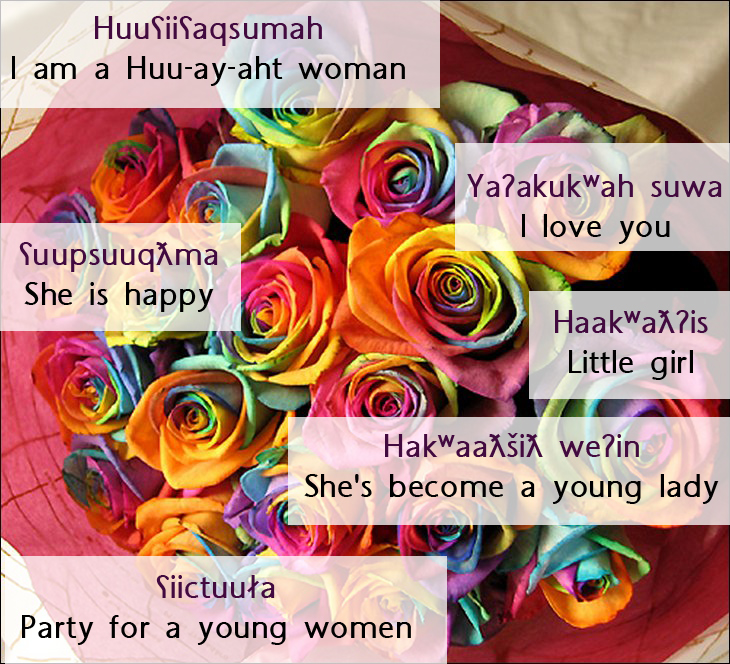
    Women

    International Women’s Day is acknowledged annually March 8.  It celebrates social, political and economic achievements of women while focusing world attention on areas requiring further action.  This year’s international theme is focused on gender parity.

    “First Nations women still have many challenges ahead of us in terms of equality and equity at all levels, whether it be among First Nation governments, provincial or federal,” said Okanese First Nation Chief Marie-Anne Day Walker-Pelletier who is the longest serving female Chief in Canada.  “Efforts must be made to promote, provide and support upper level management and political opportunities for First Nations women.”

    “Indigenous women in Canada should have access to the same opportunity as every other Canadian – male or female,” said AFN Women’s Council Chair Therese Villeneuve.  “The AFN women’s council supports and promotes Indigenous women in leadership roles in our communities and across the country.  We celebrate our sisters who are thriving in their homes and family units and in business and high level careers.  Every role must be respected and every woman and young girl must be supported to fulfil their dreams for success.”

    International Women’s Day follows the second National Roundtable on missing and murdered Indigenous women and girls which last month brought together Indigenous families, leaders and federal, provincial, territorial leaders to set priorities to address and prevent violence.

    “Safety and security for Indigenous women and girls is an urgent priority that requires immediate attention and long-term, coordinated action that will address head-on the vulnerabilities that lead to violence,” said AFN Regional Chief Shane Gottfriedson who leads efforts in the area of justice and addressing violence against Indigenous women and girls.  “There is no quick fix or easy answer, but with the appropriate investments in shelters, day cares, education and housing (just to name some), we will be able to better achieve safety and better support success.”

    For more information on work toward a national action plan to address and prevent violence against women and girls and the upcoming 2016 National Roundtable please visit:  http://www.afn.ca/index.php/en/policy-areas/i-pledge.-end-violence.

    The Assembly of First Nation is the national organization representing First Nation citizens in Canada.  Follow AFN on Twitter @AFN_Comms, @AFN_Updates.

    For more information please contact:

    Jenna Young Castro AFN Communications Officer
    613-241-6789, ext. 401; 613-314-8157 or jyoung@afn.ca

    Alain Garon AFN Bilingual Communications Officer
    613-241-6789, ext. 382; 613-292-0857 or agaron@afn.ca