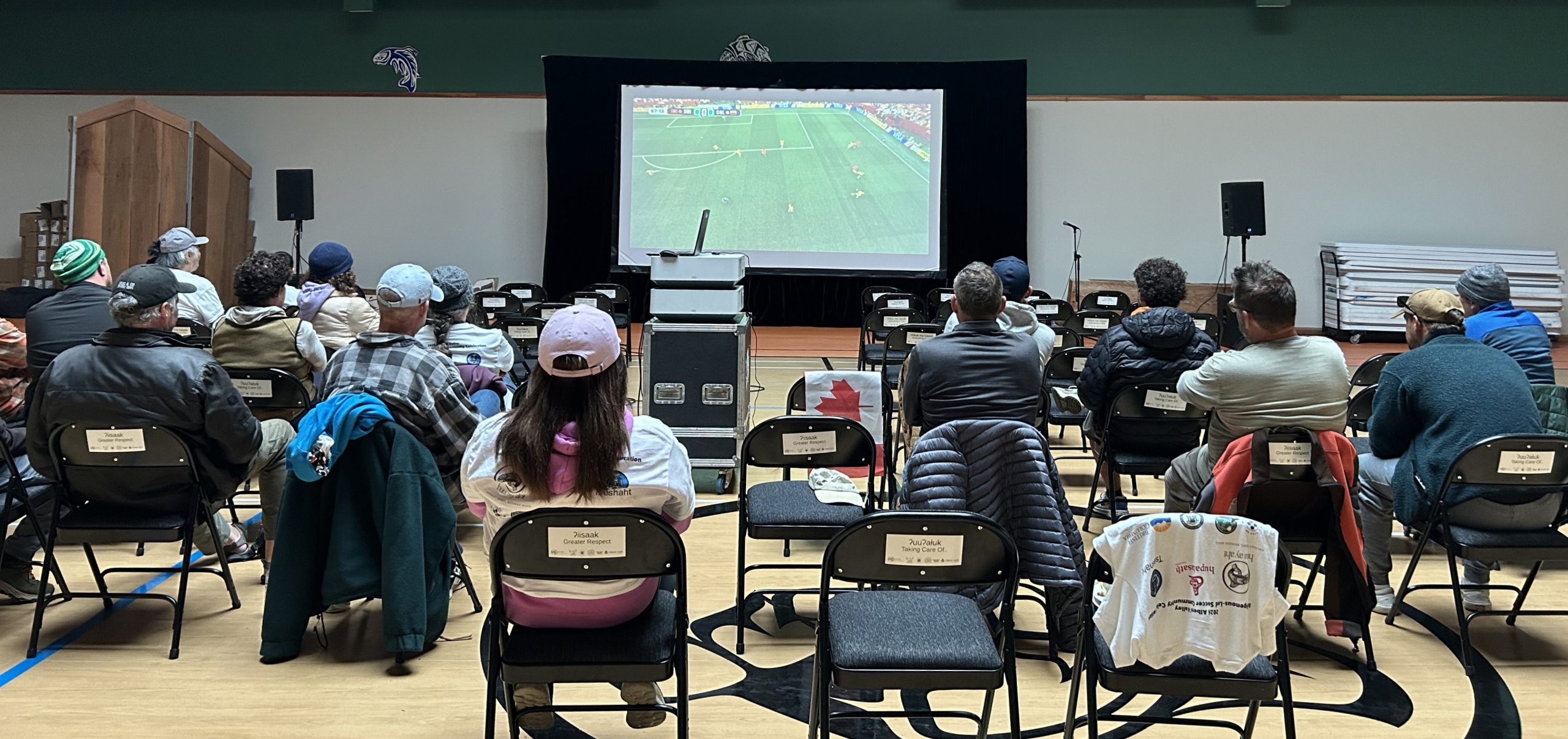
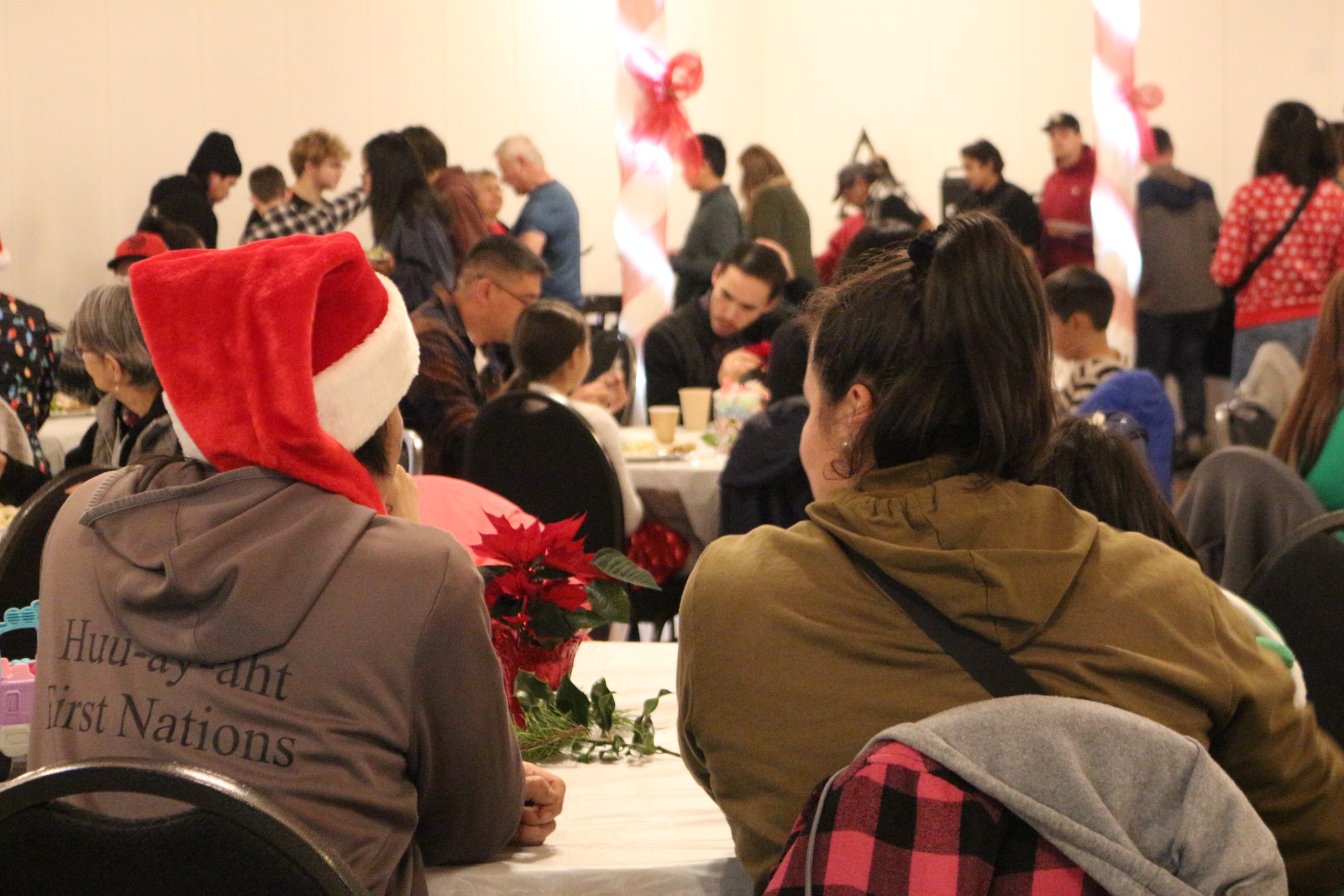
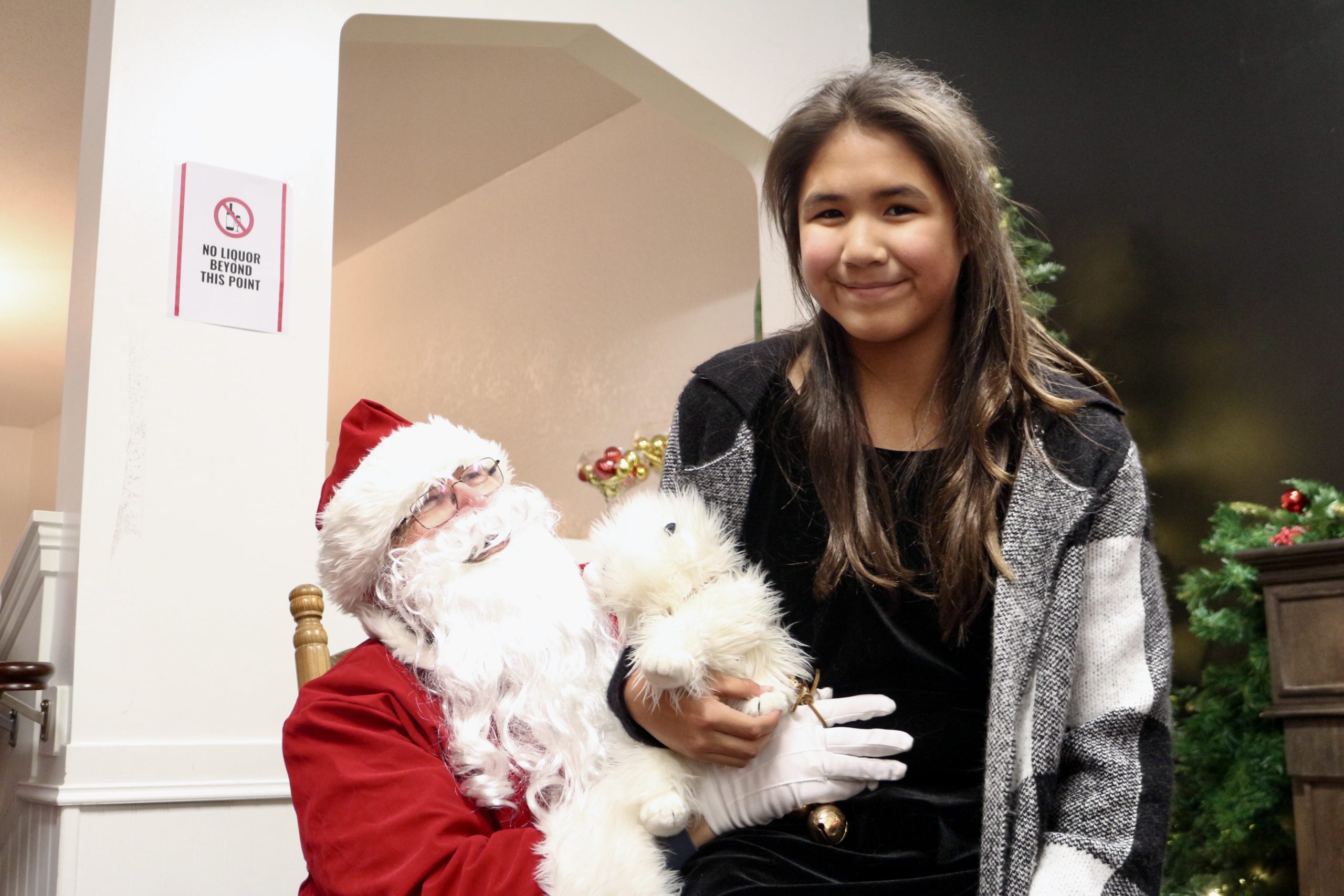
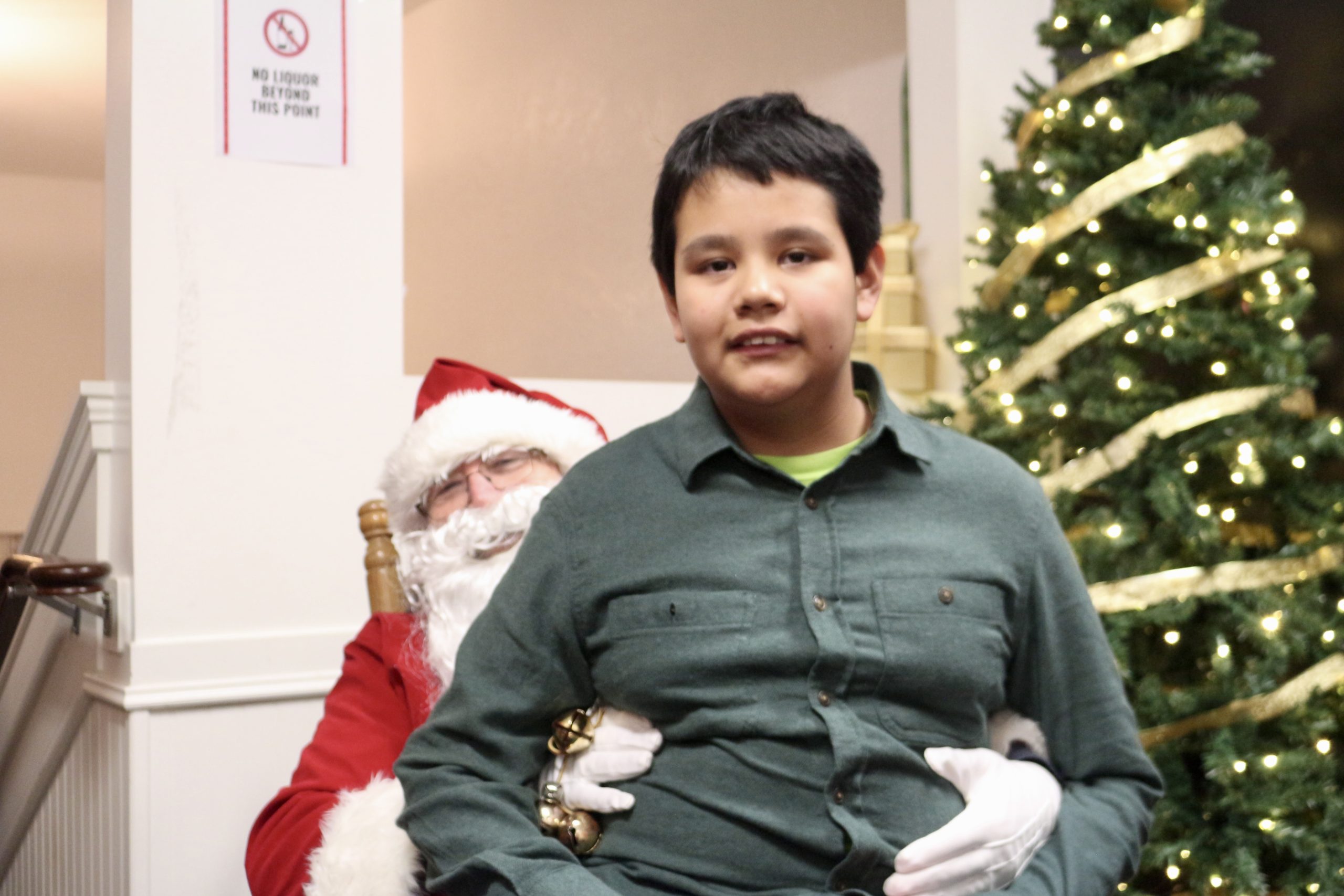
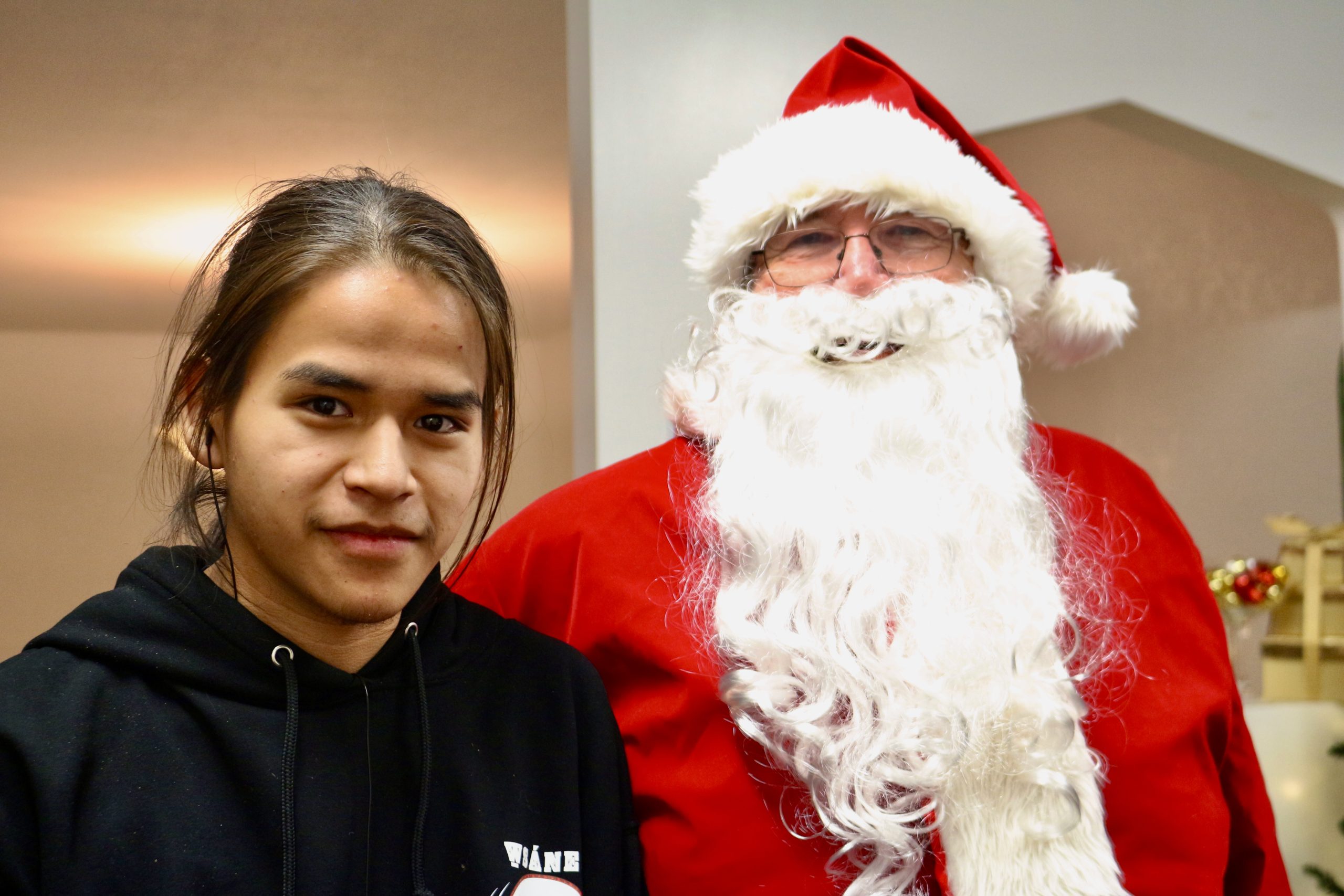
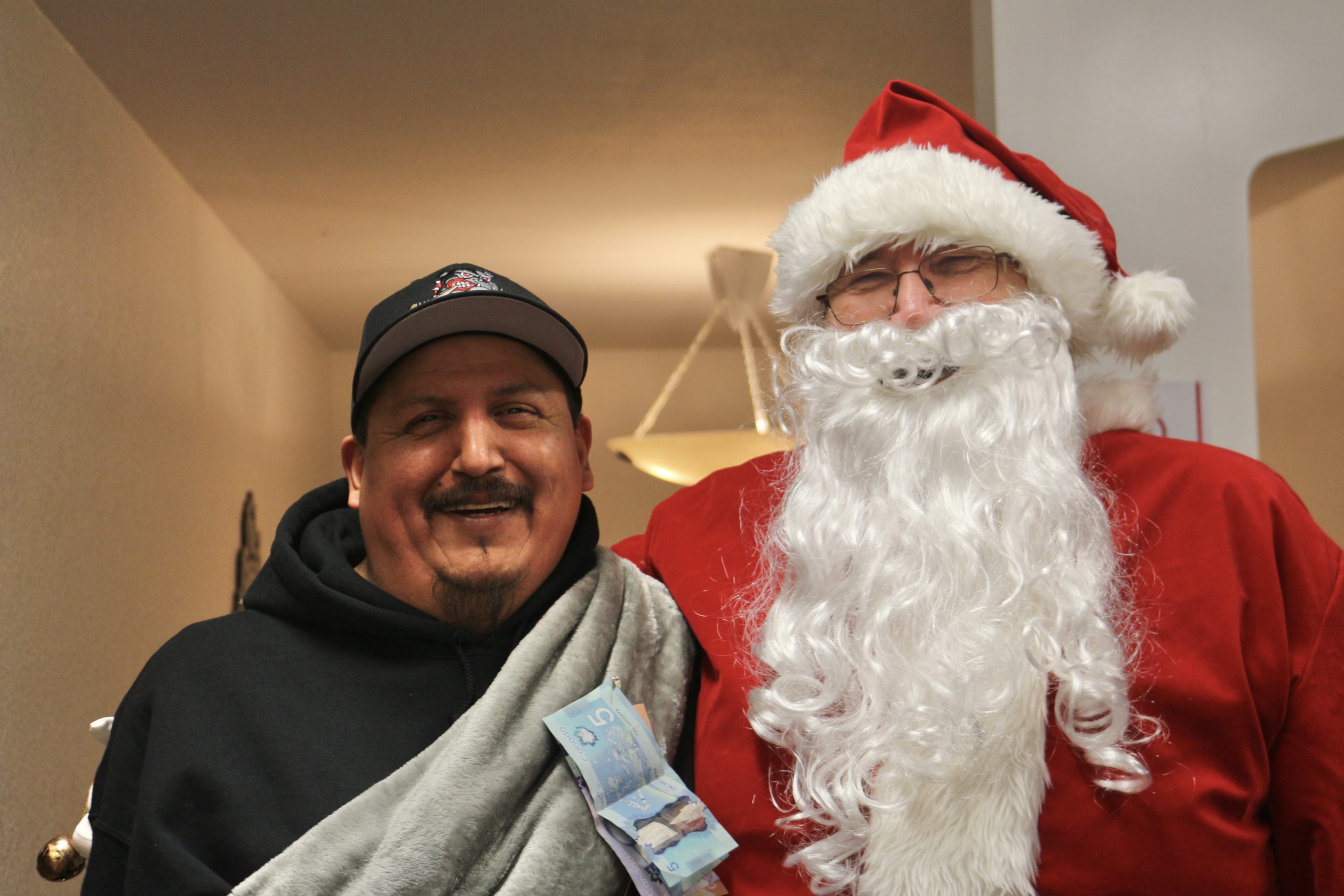
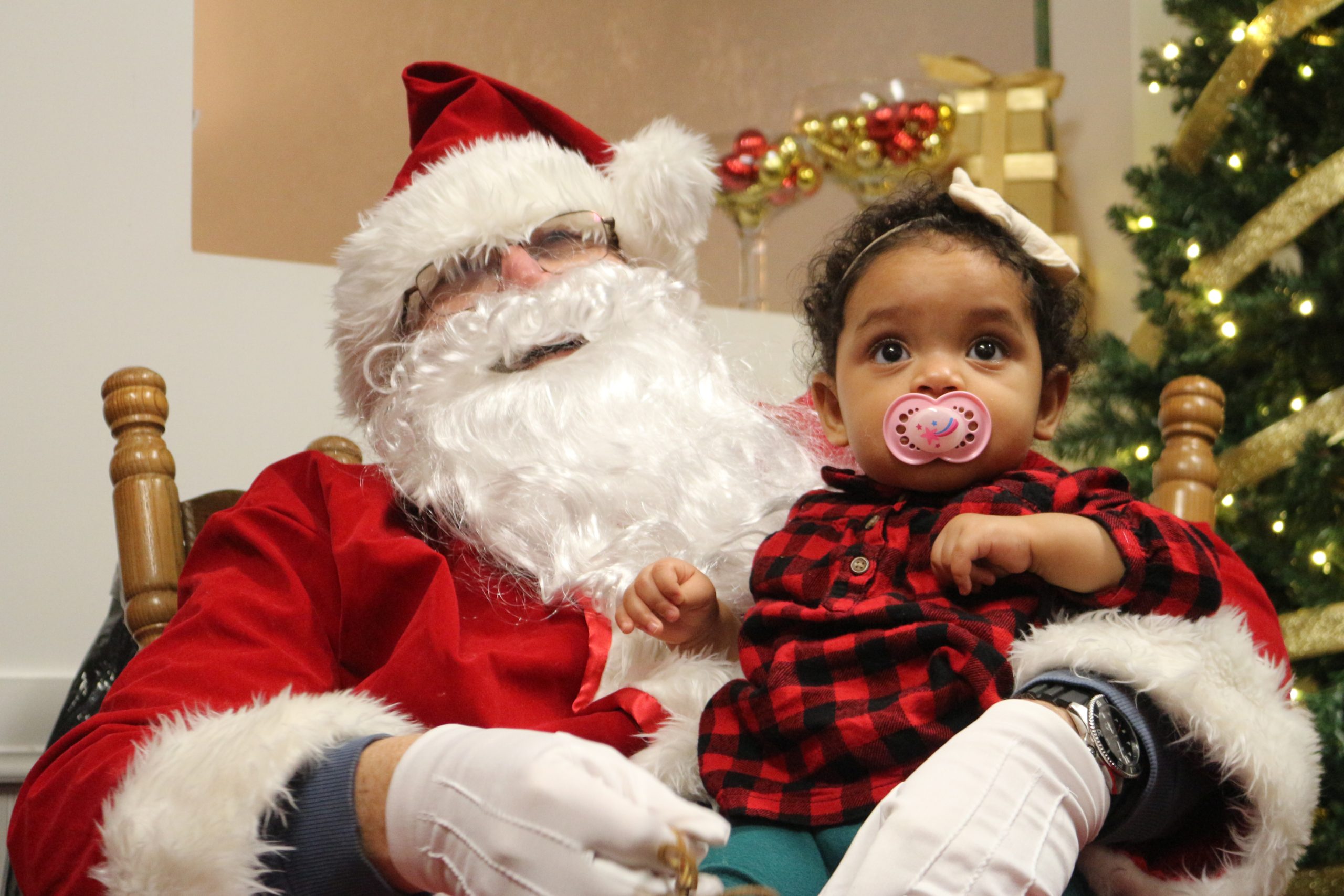
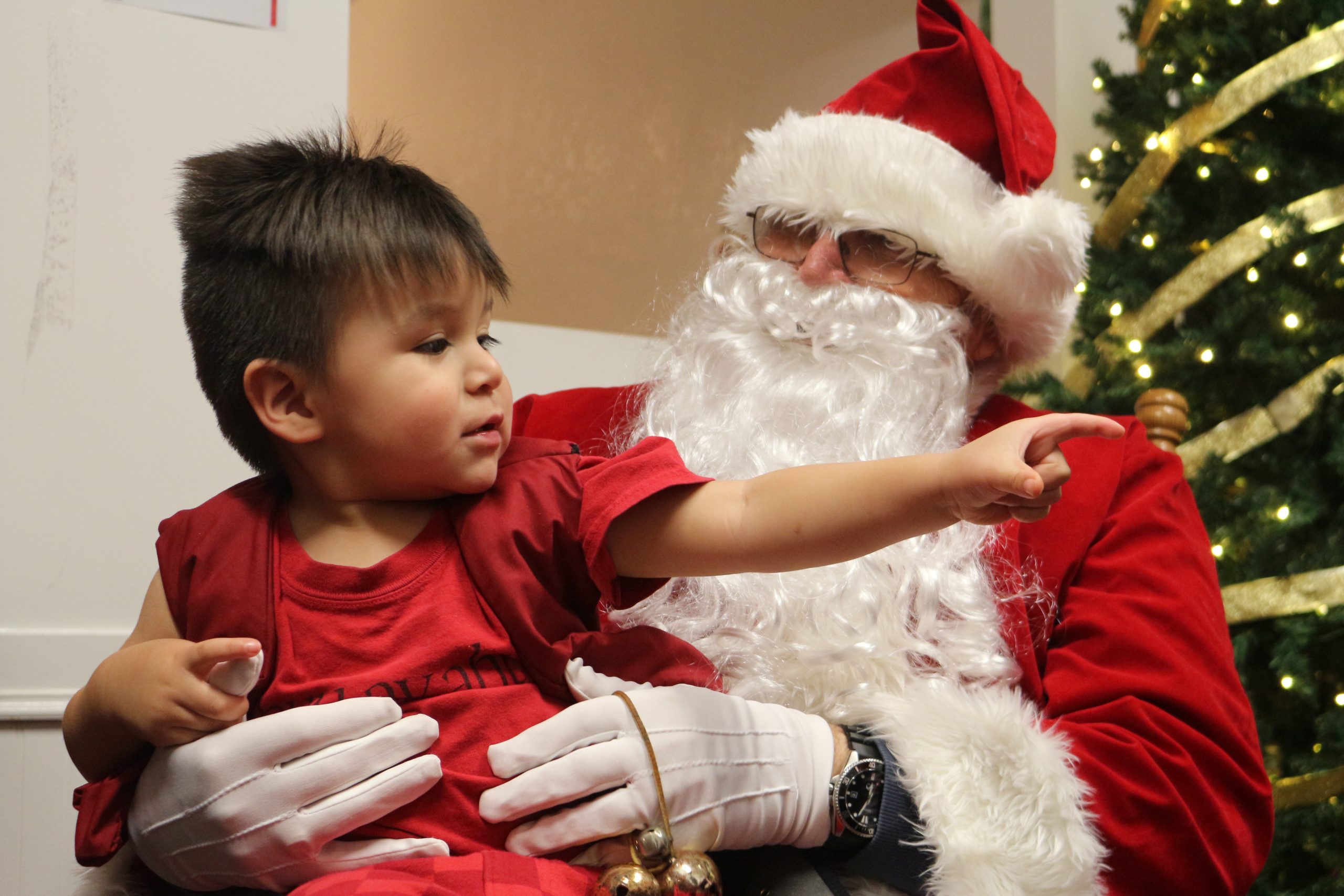
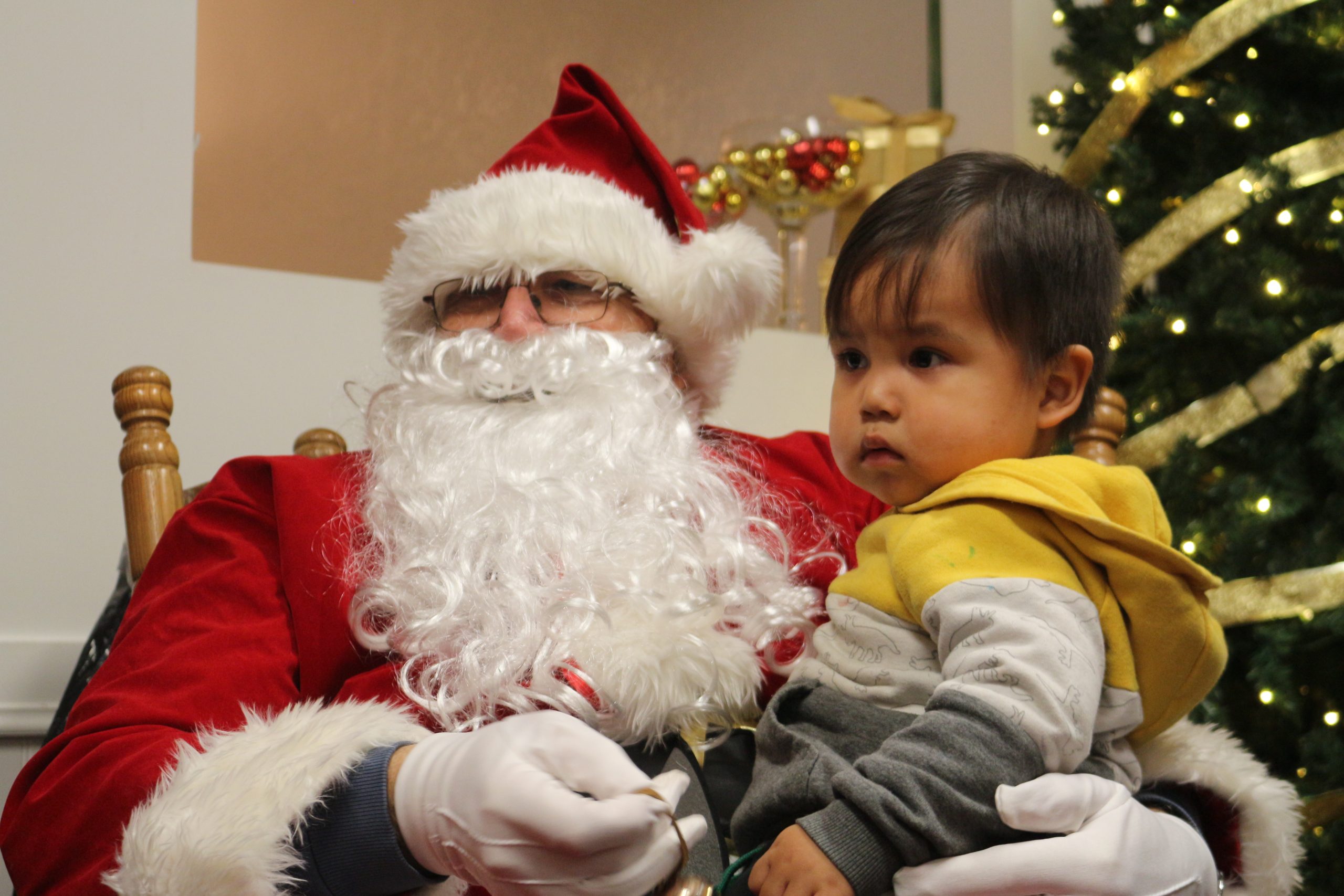
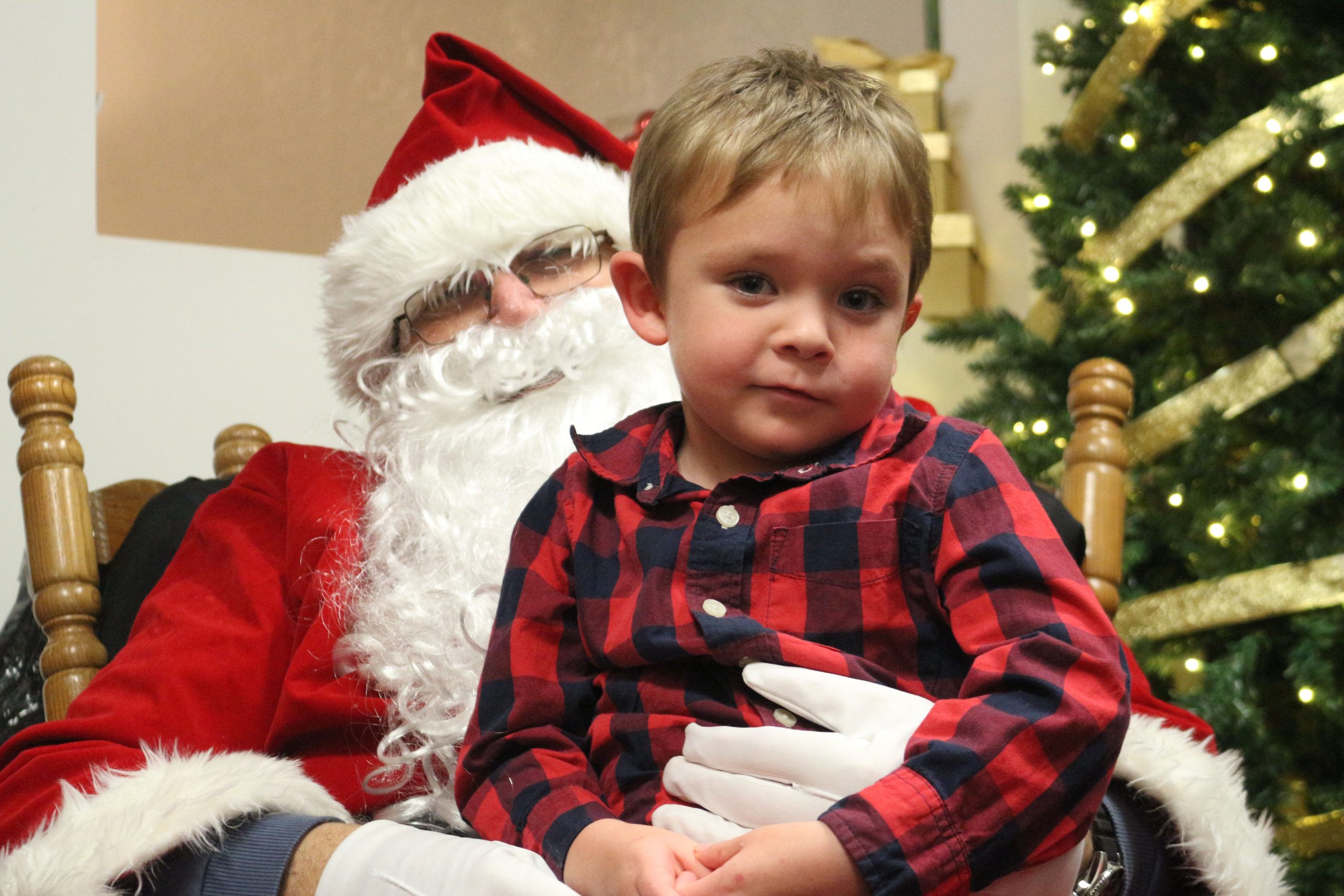
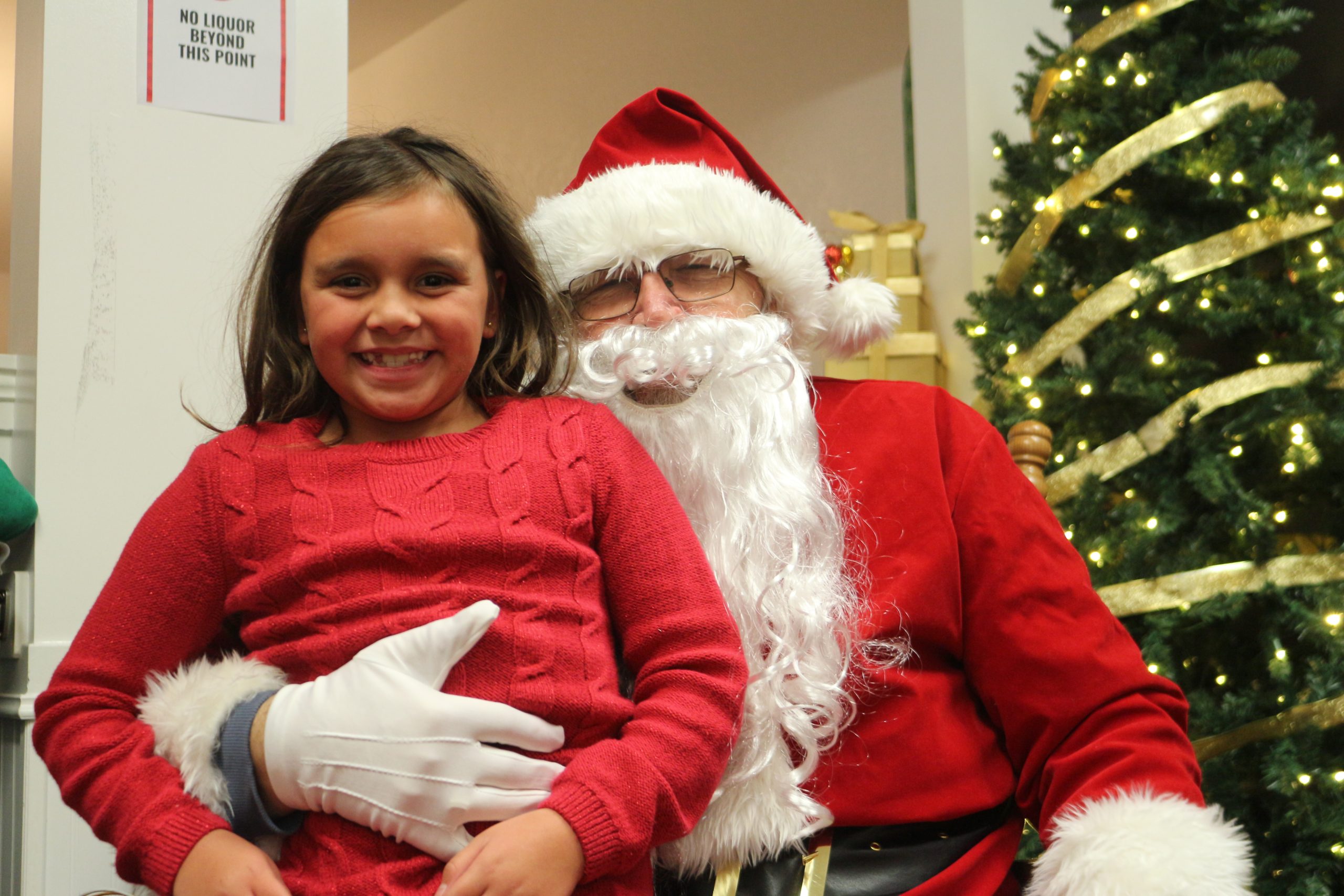
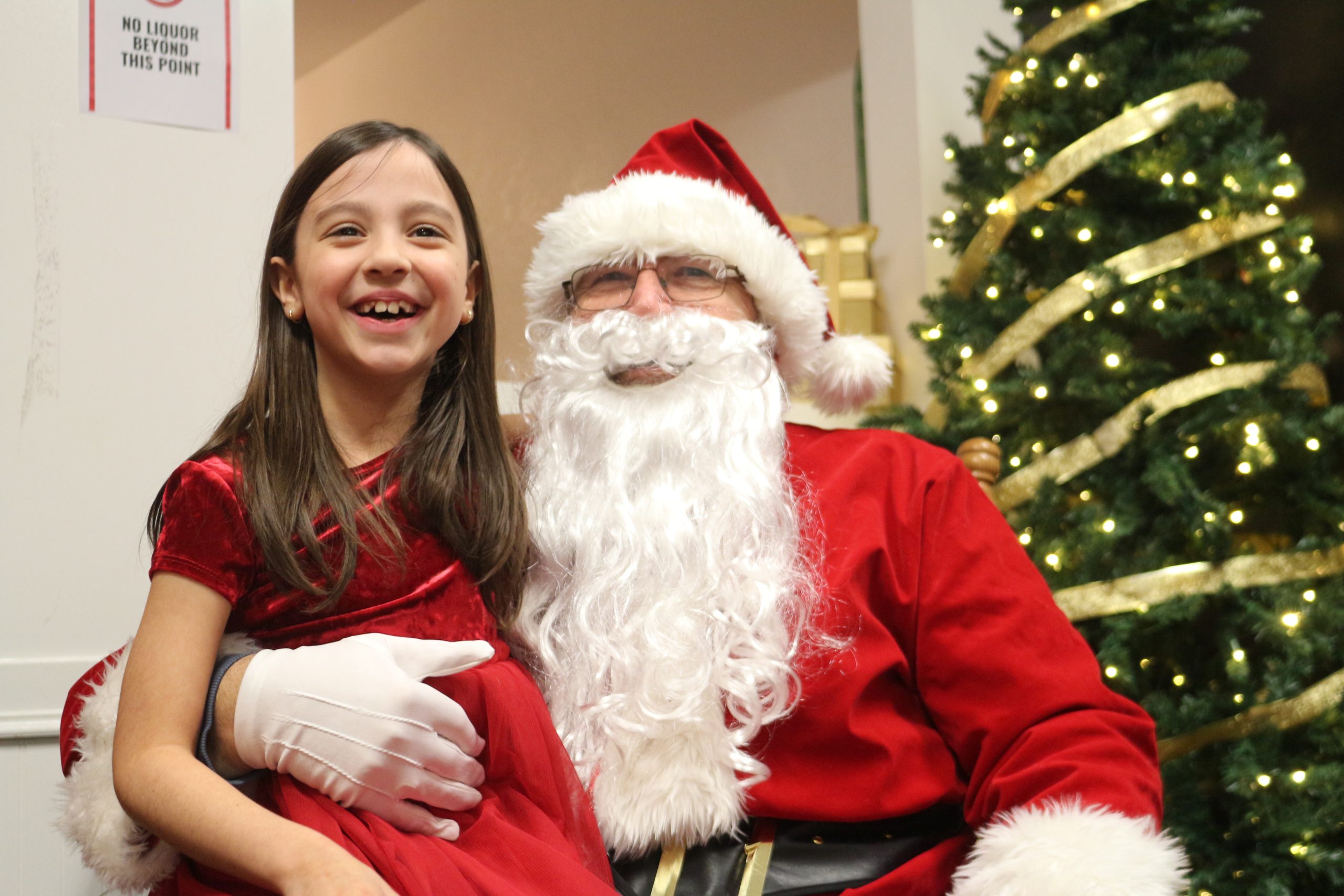
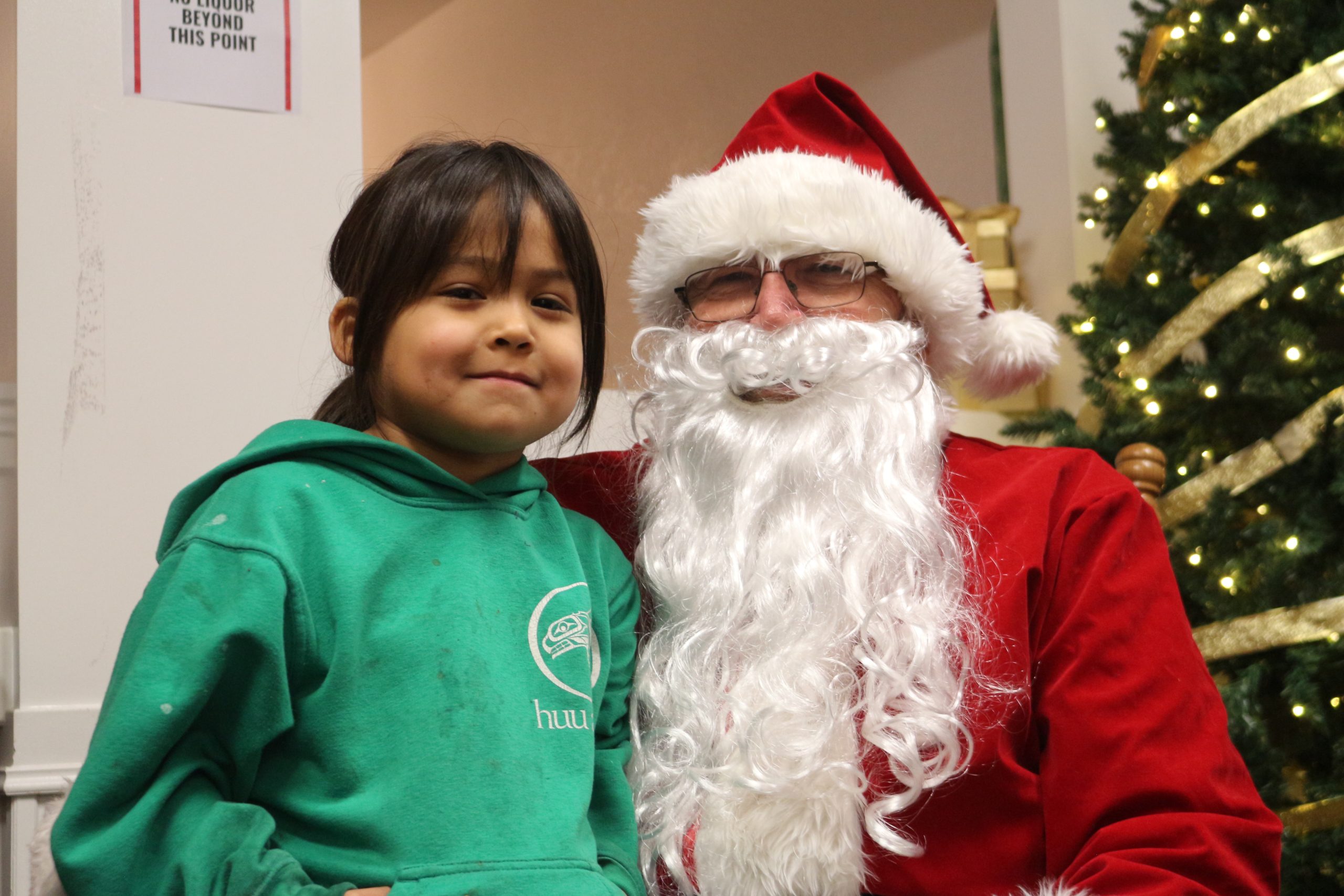
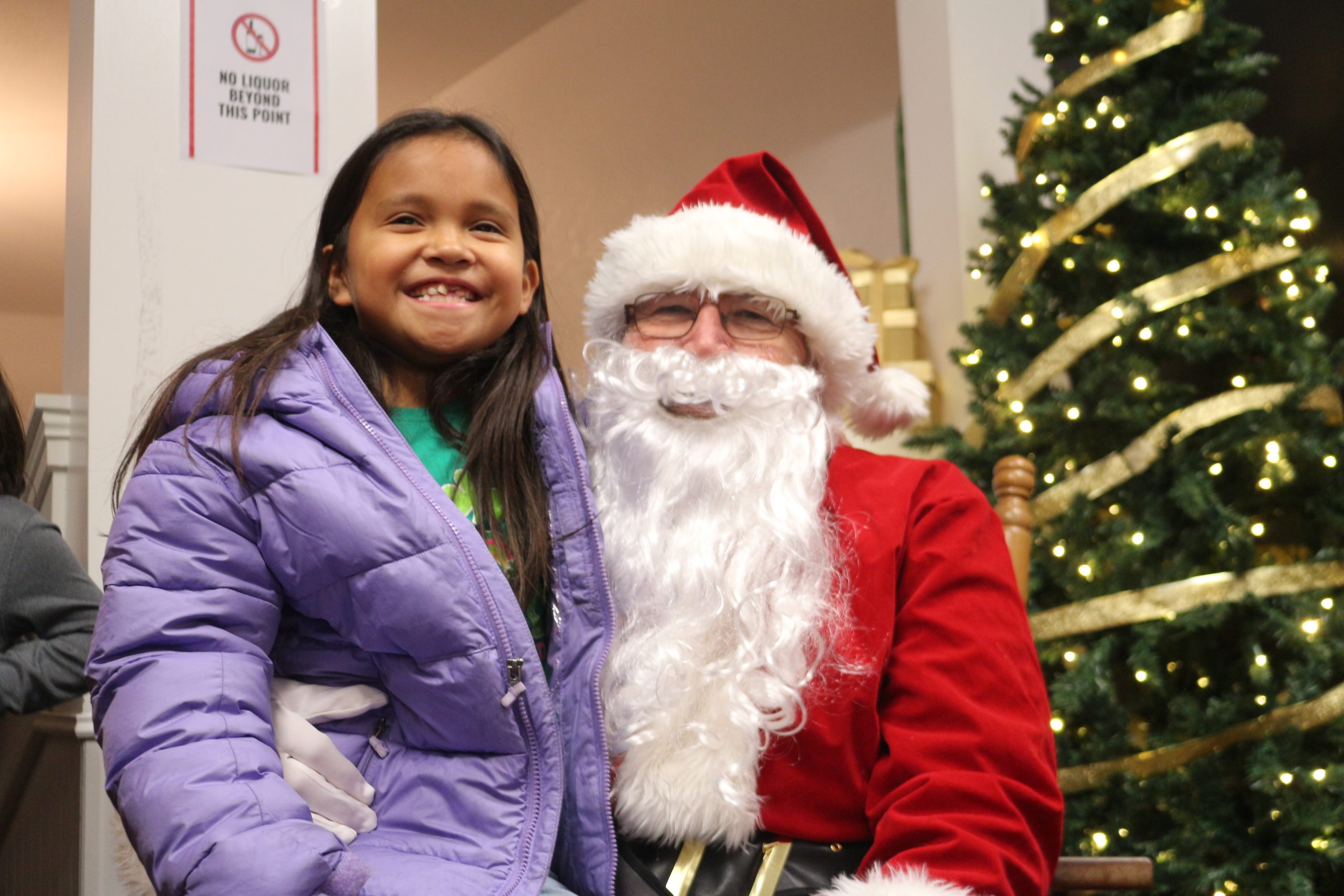
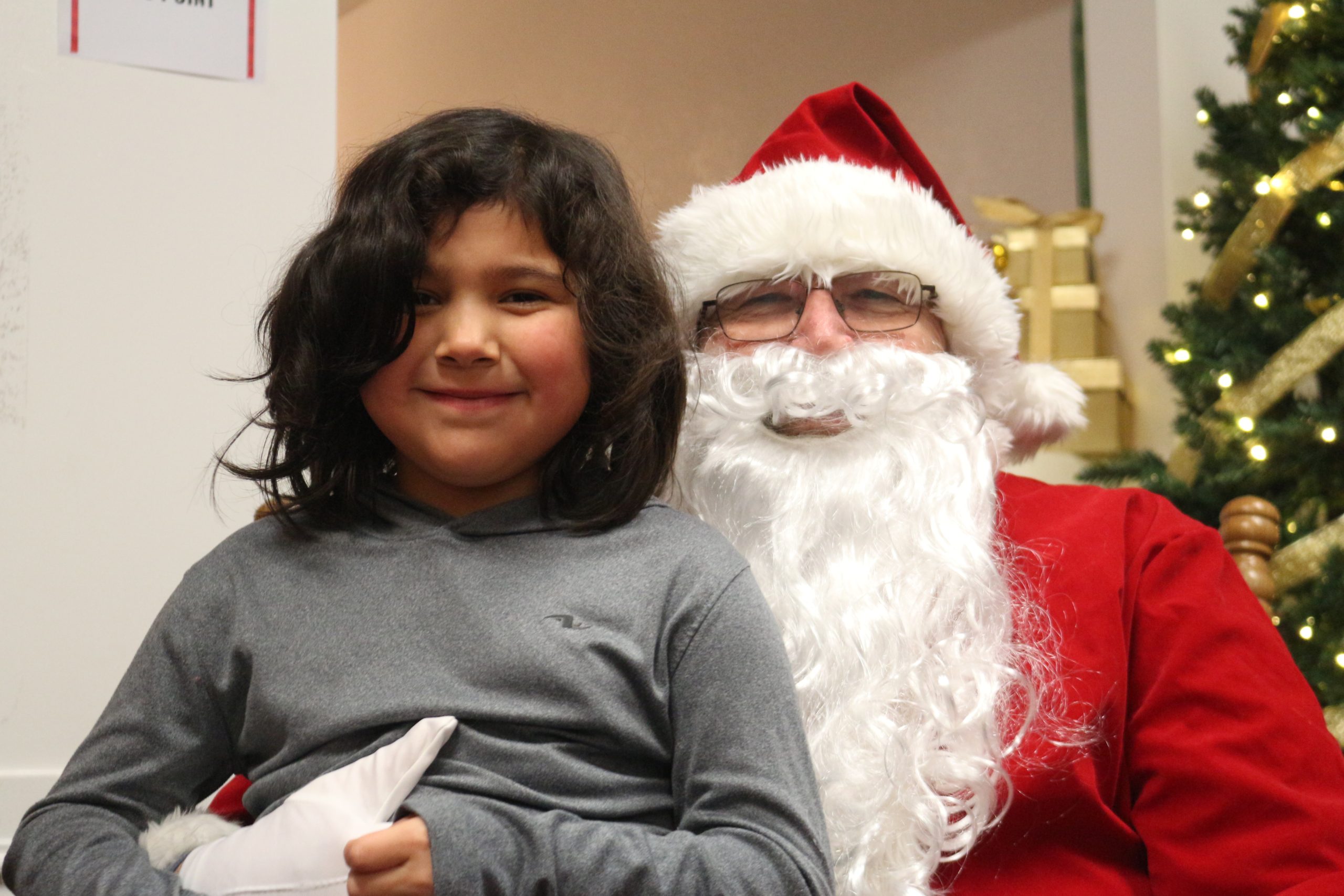
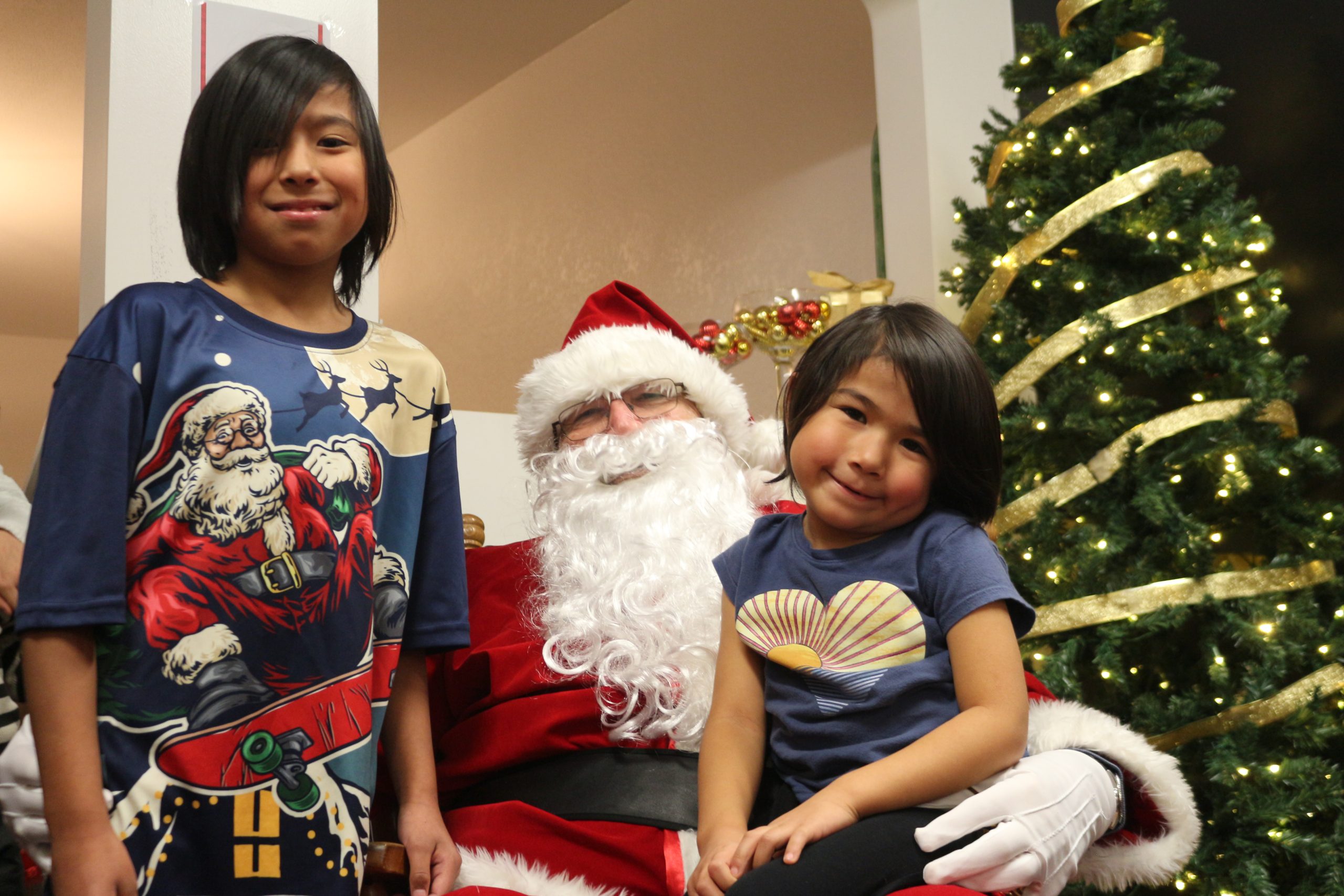
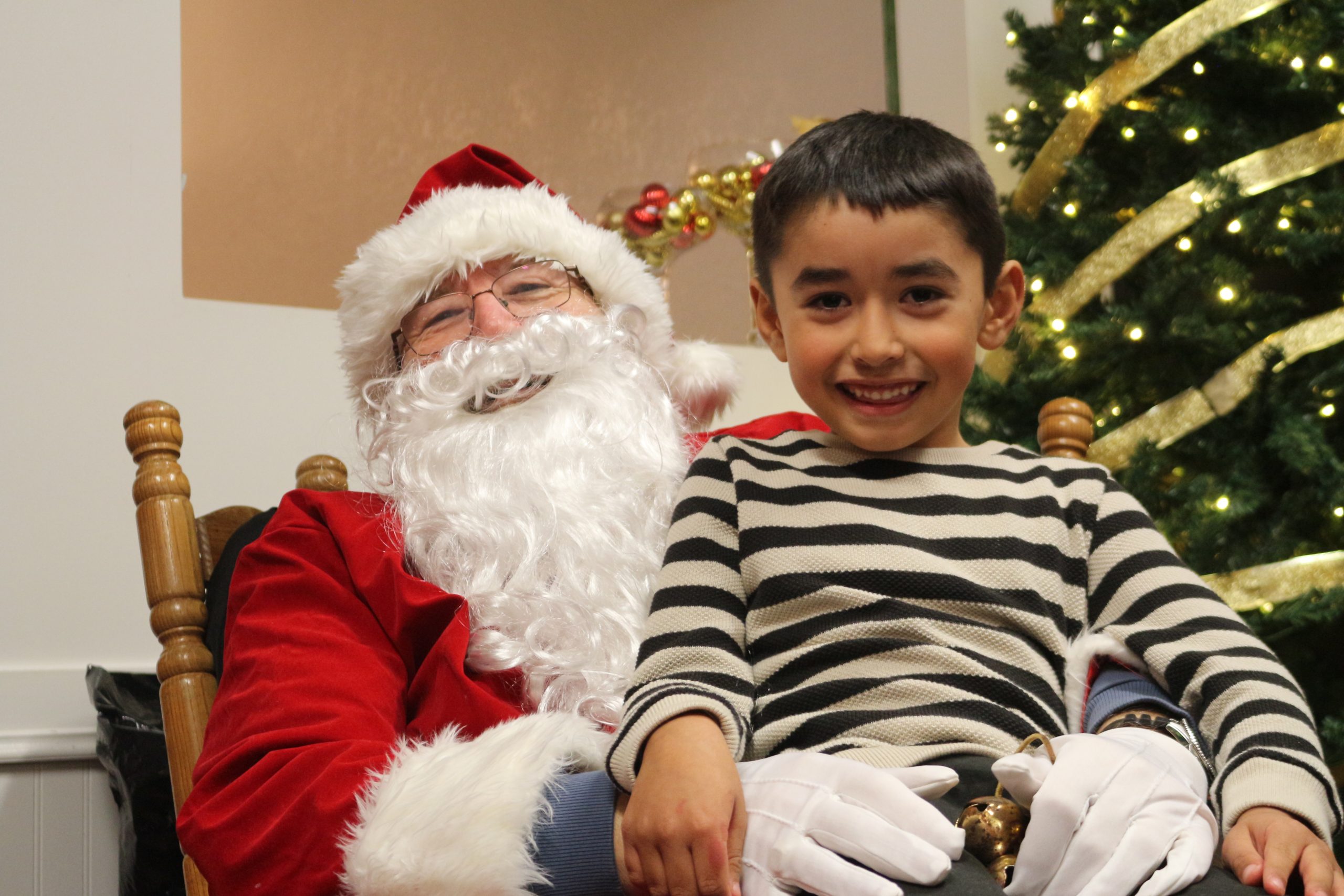
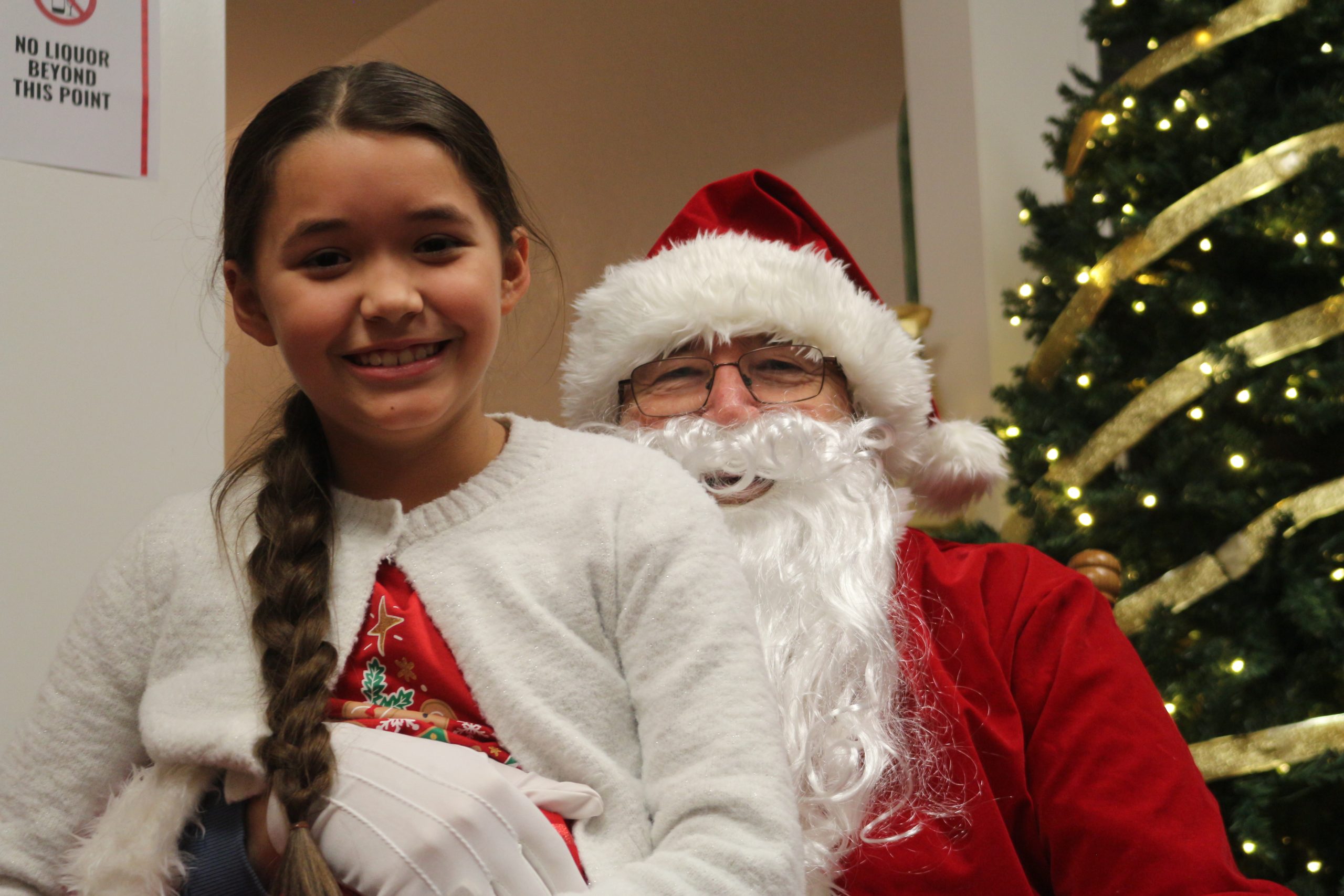
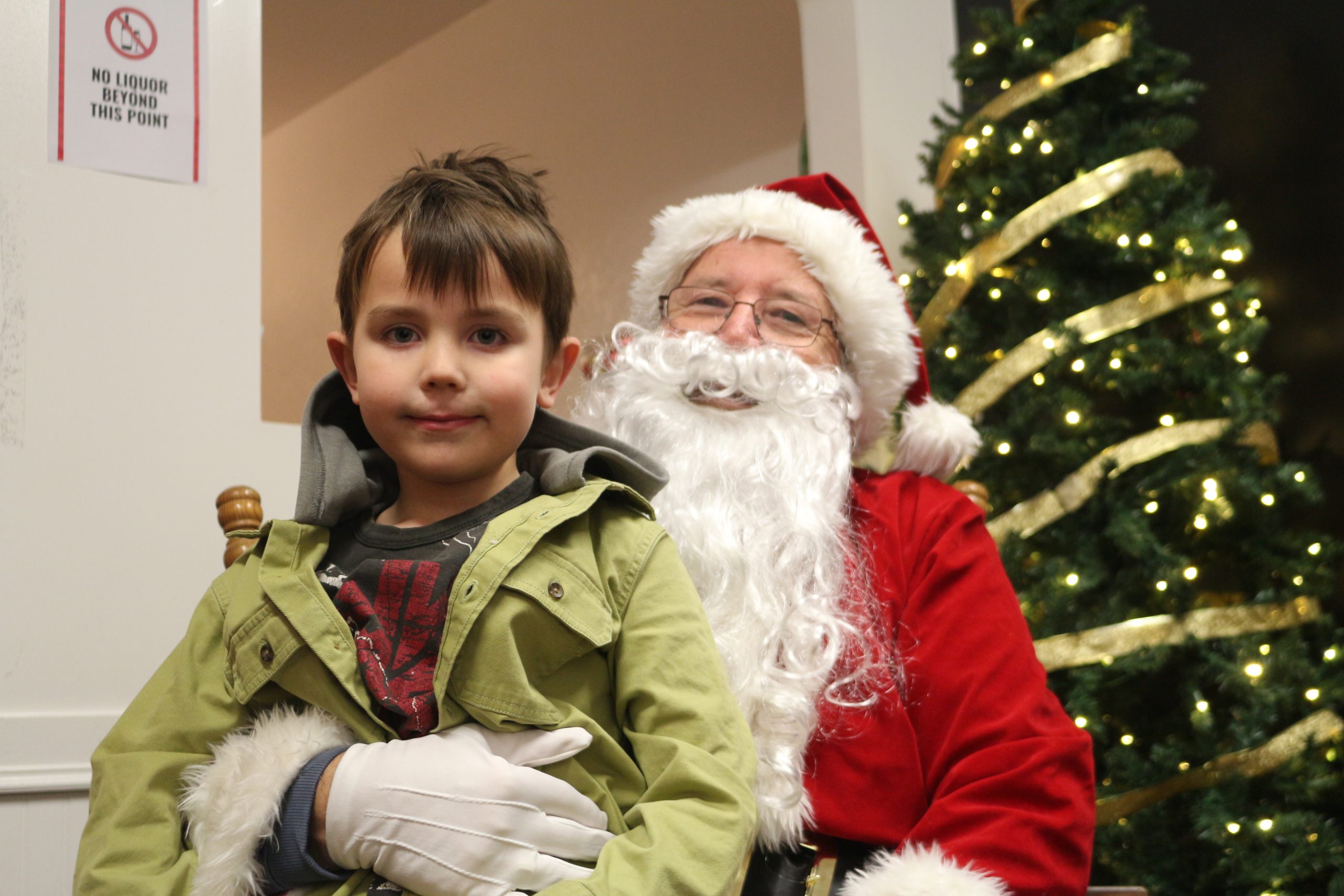
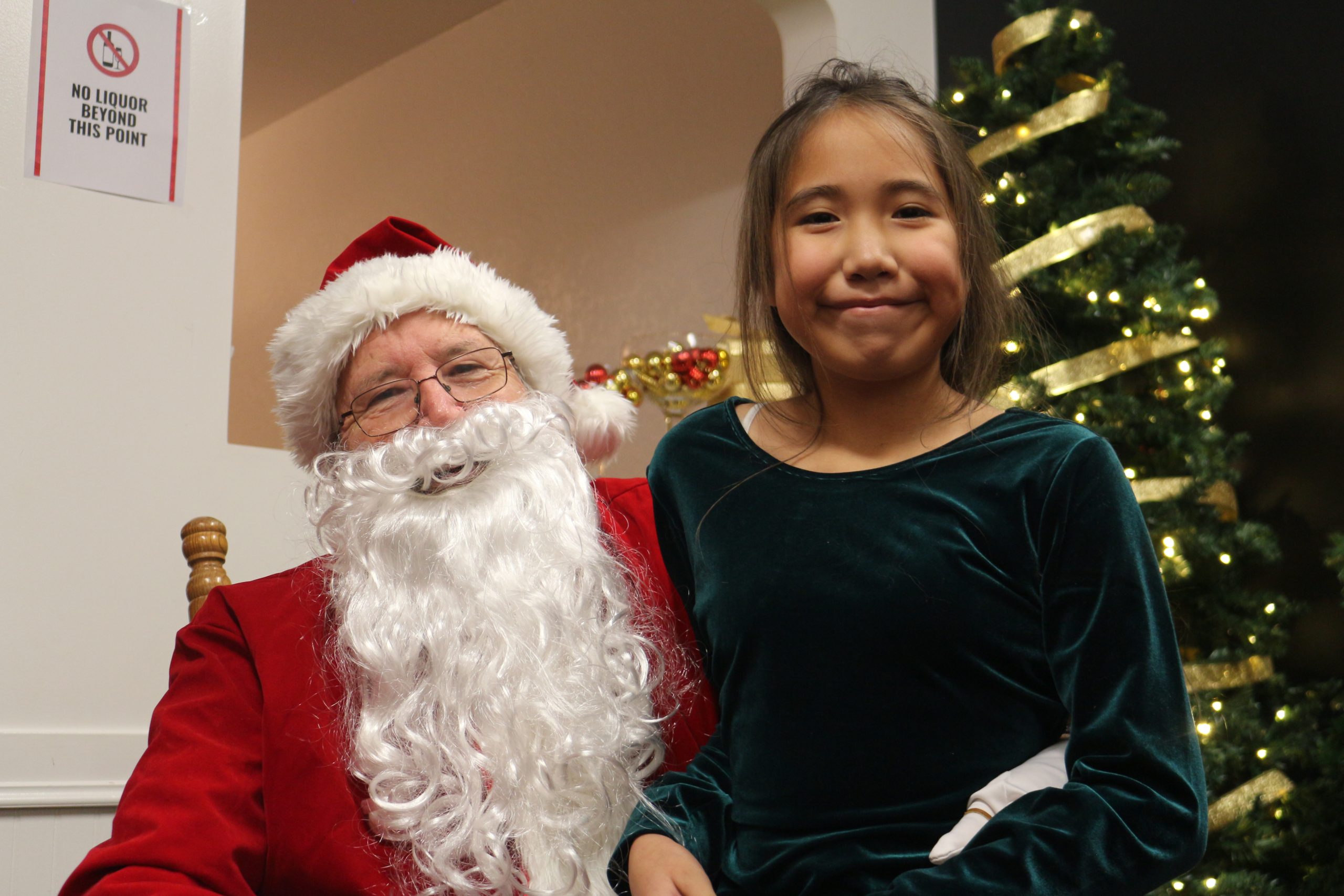
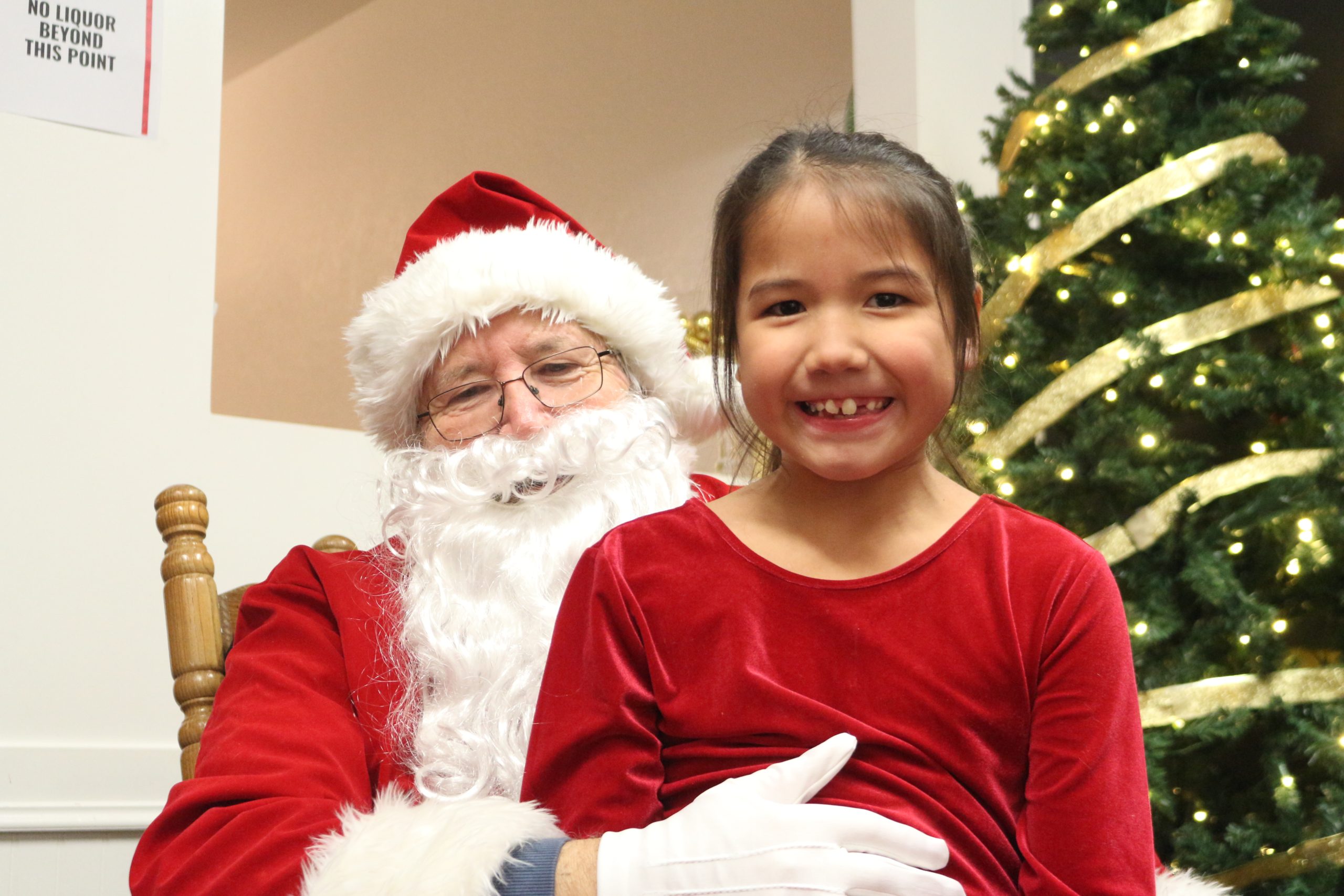
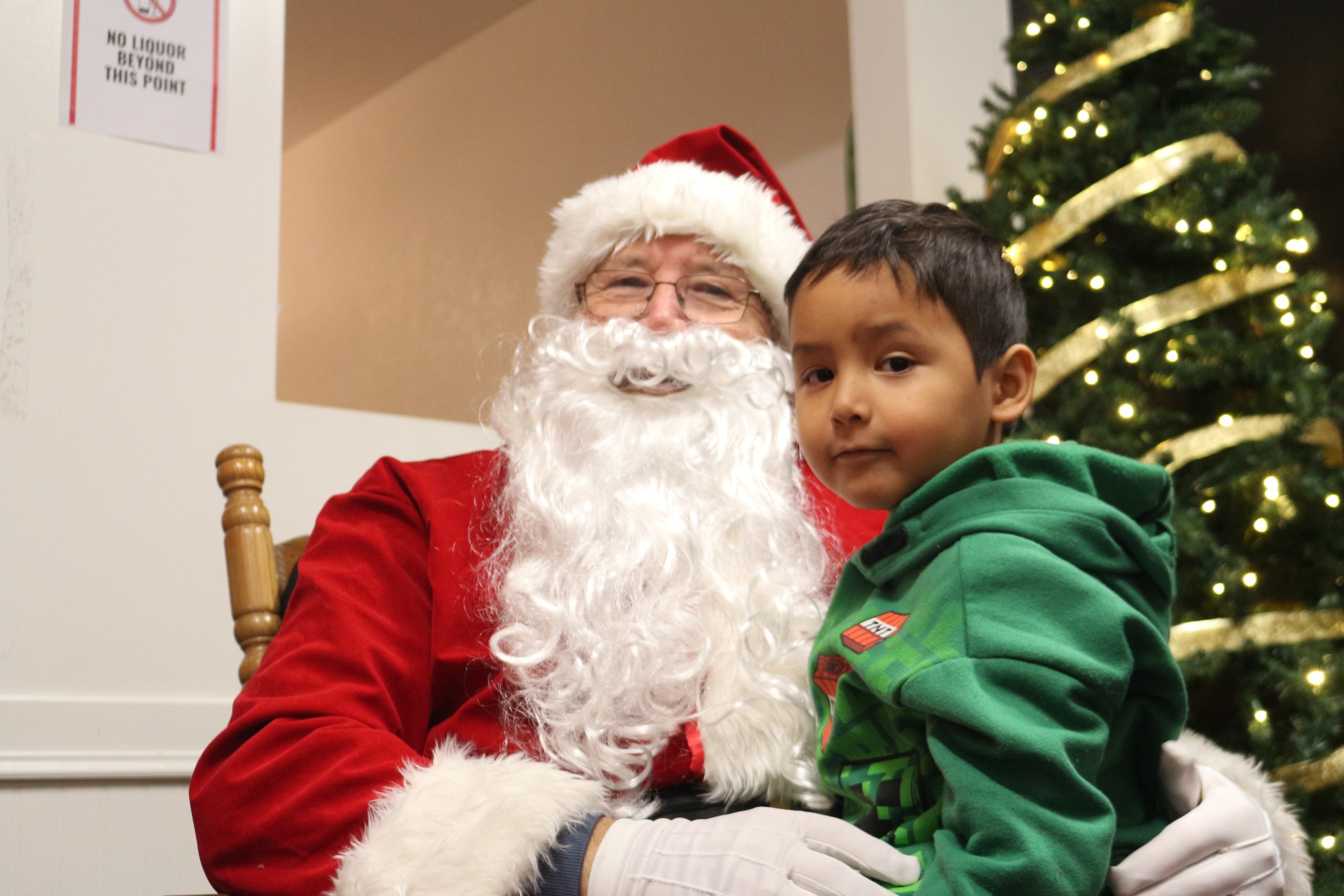
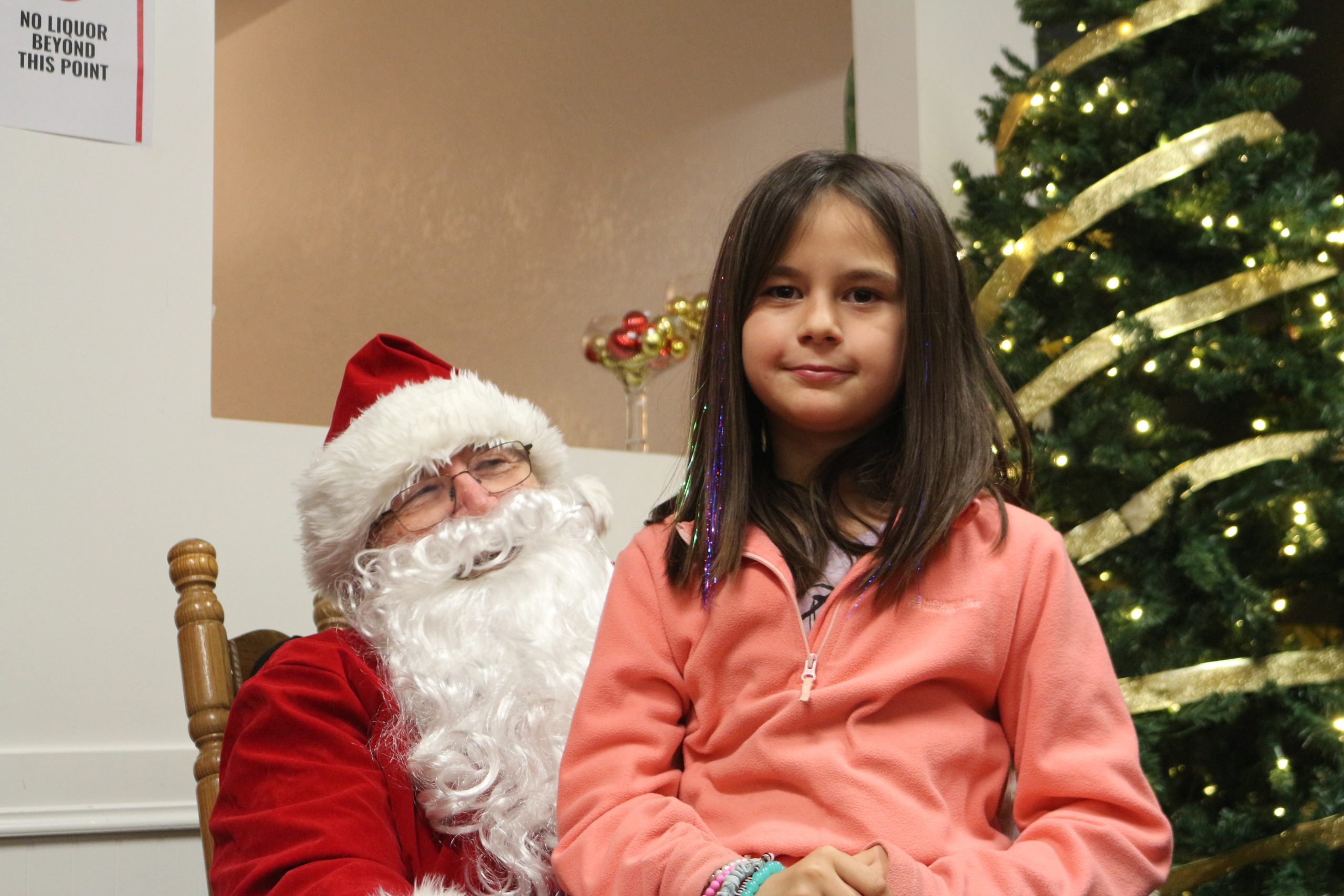
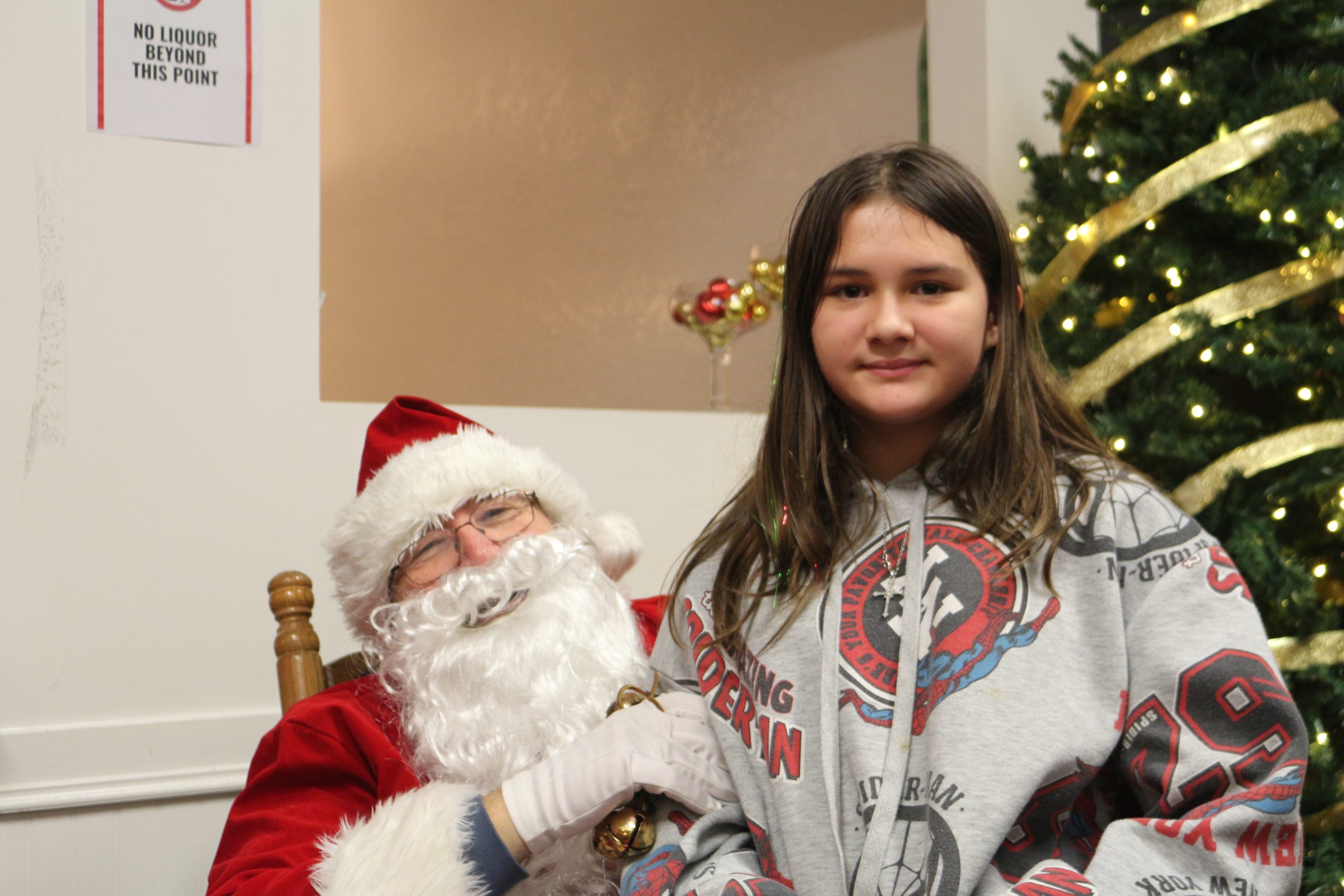
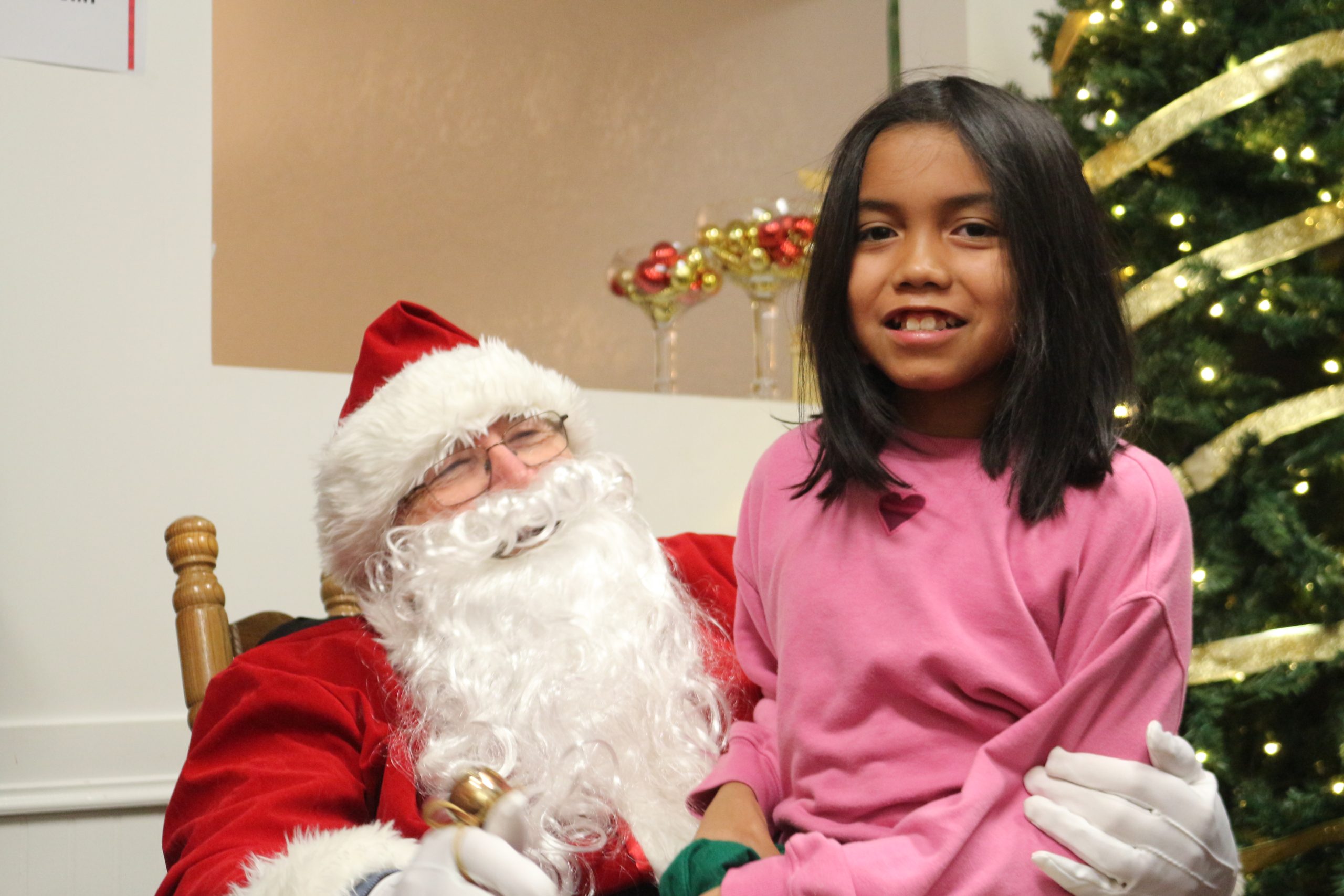
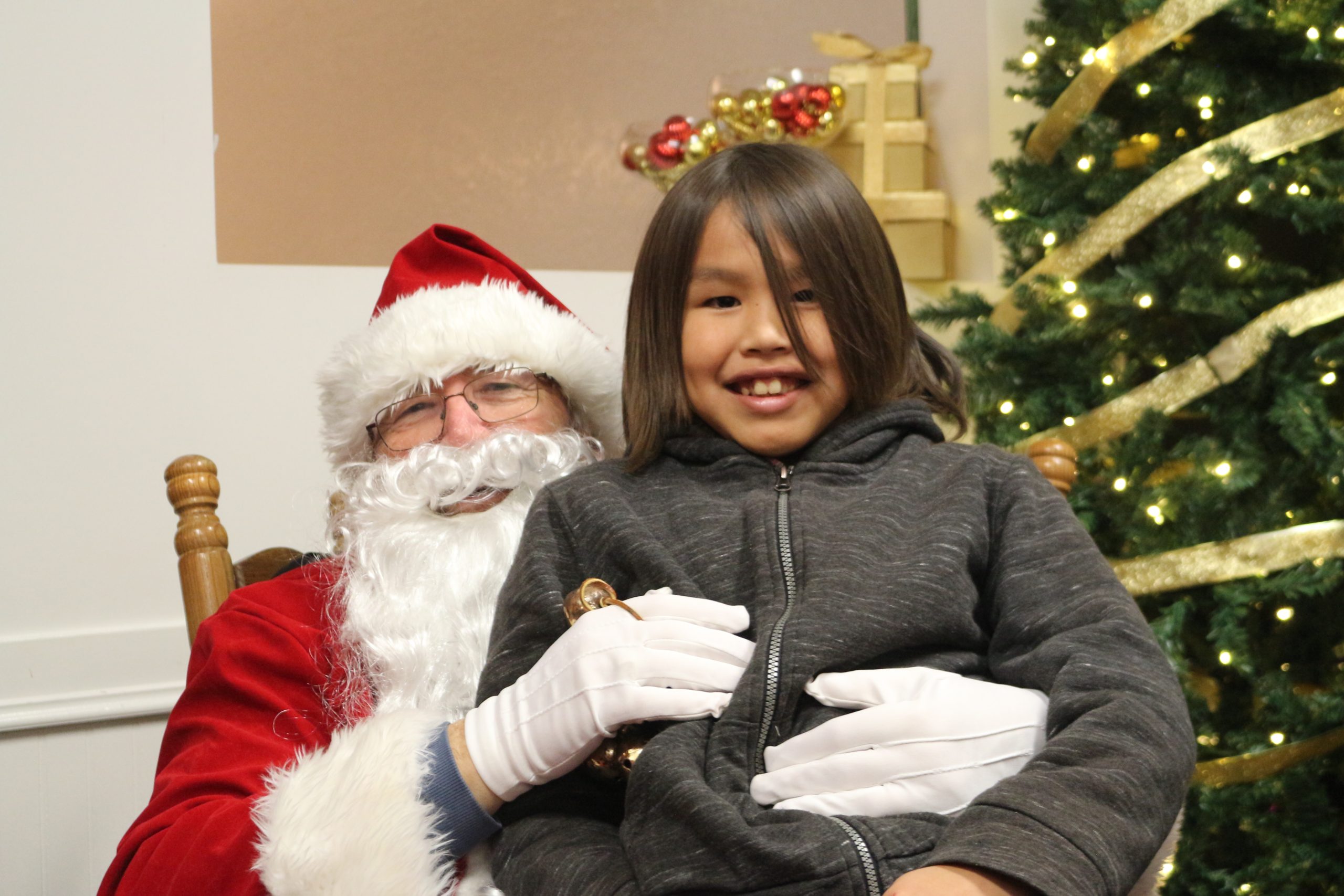
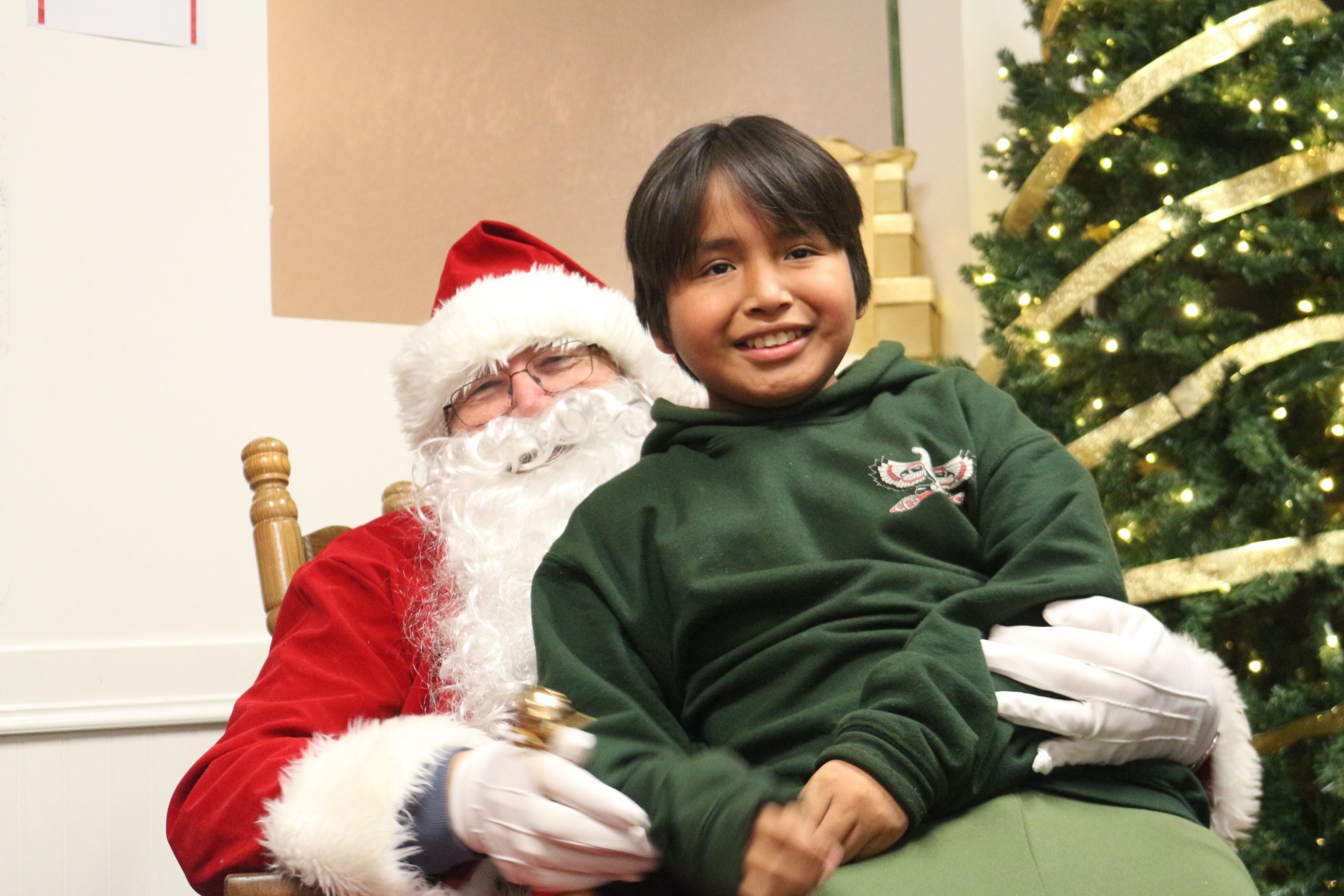
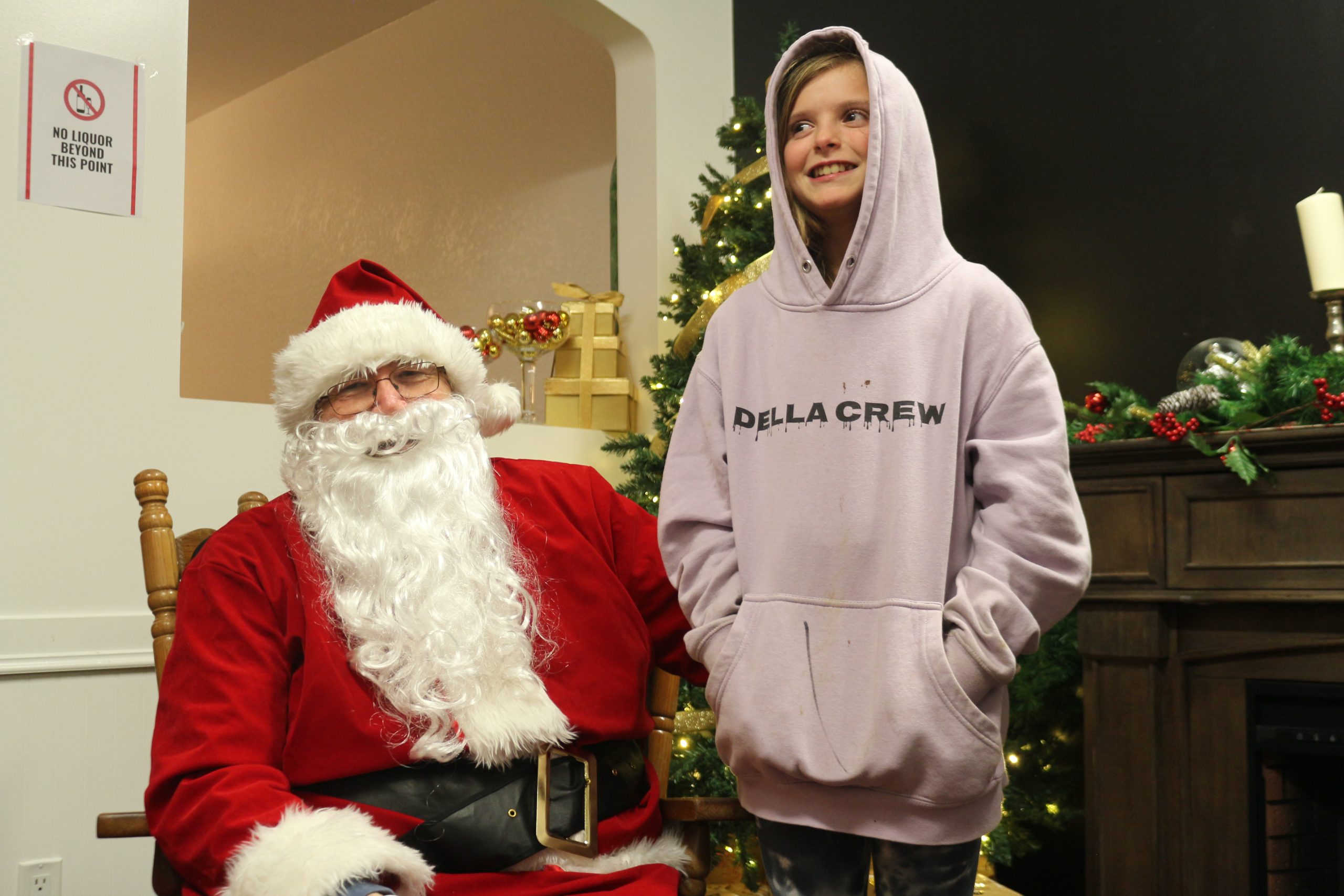
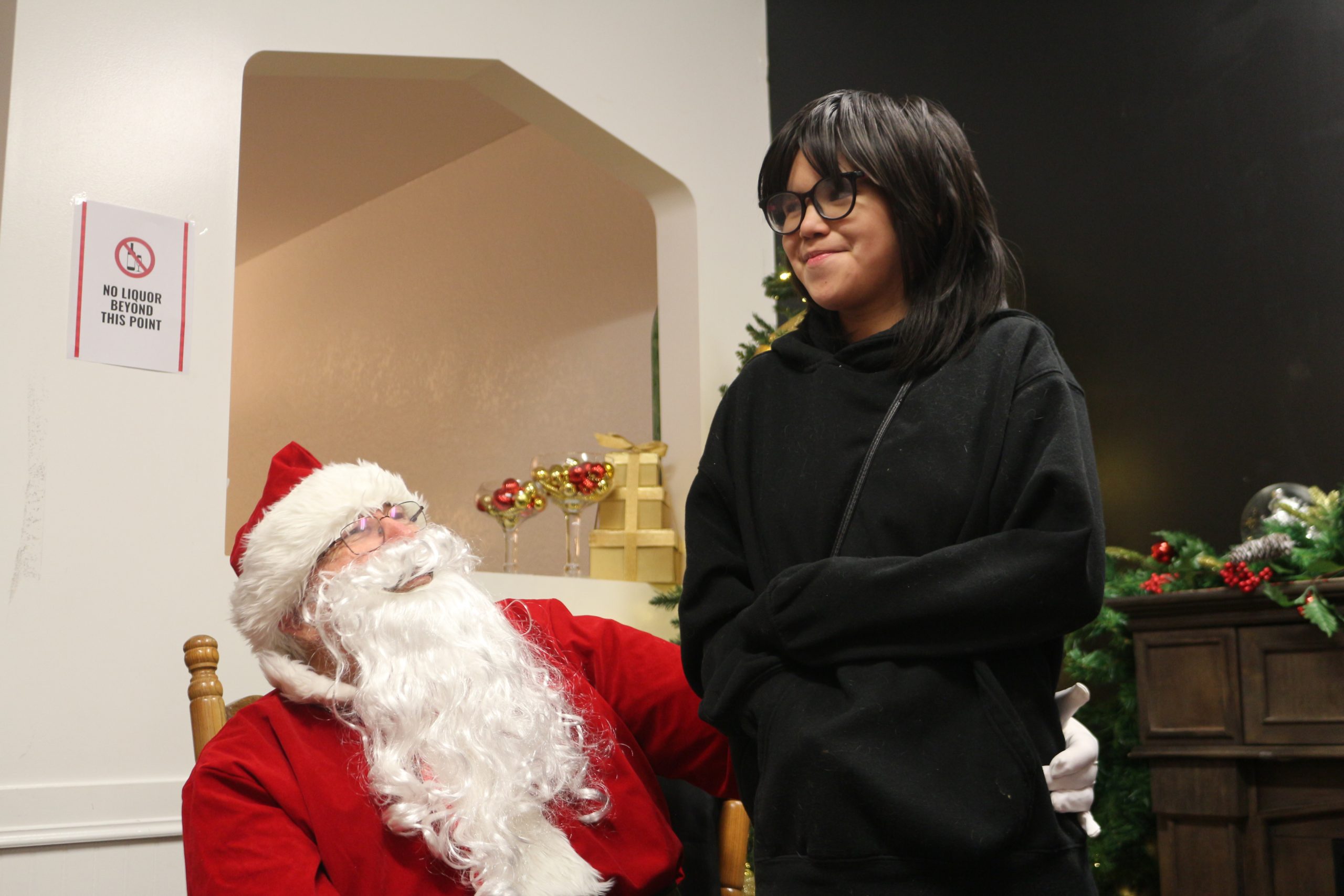
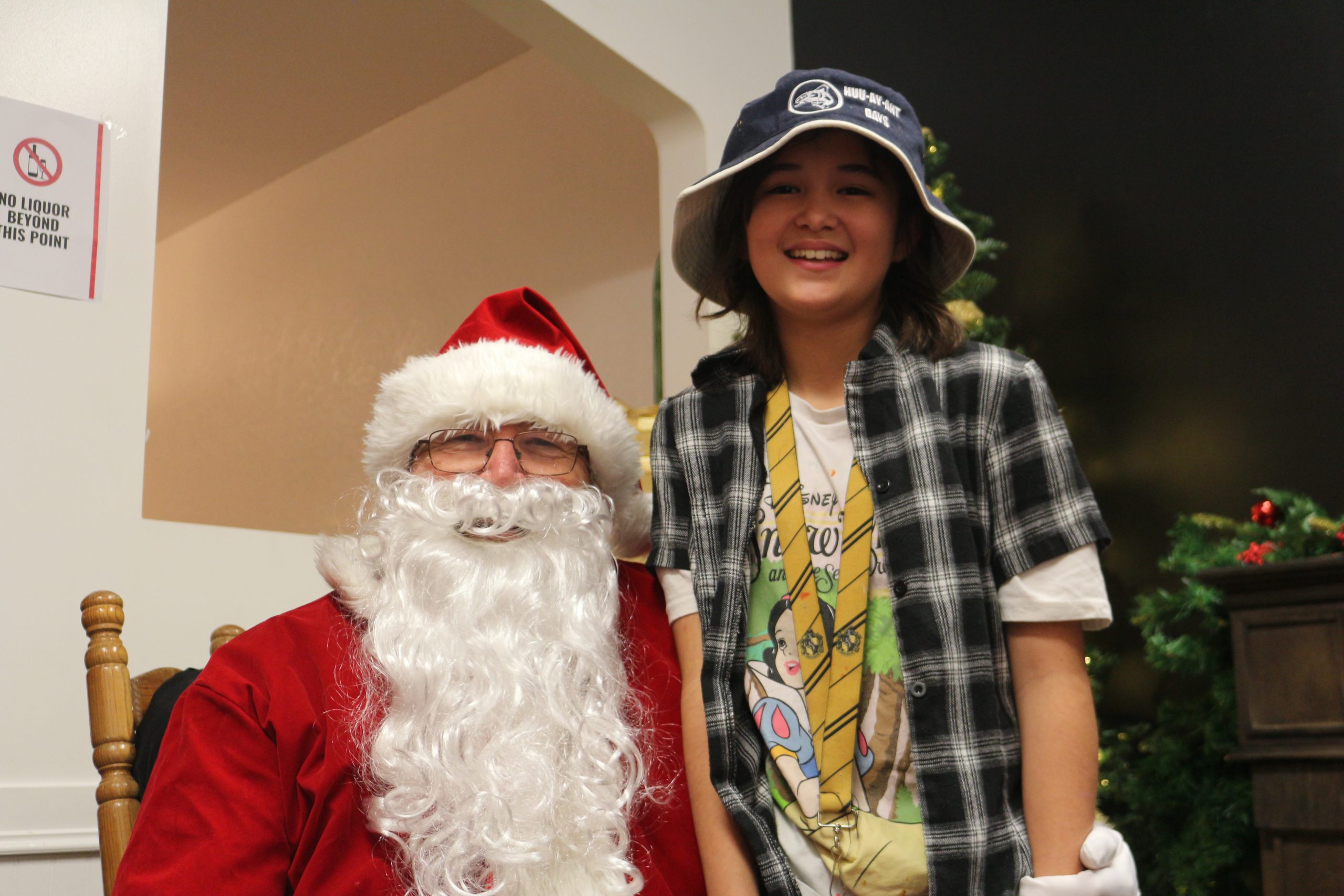
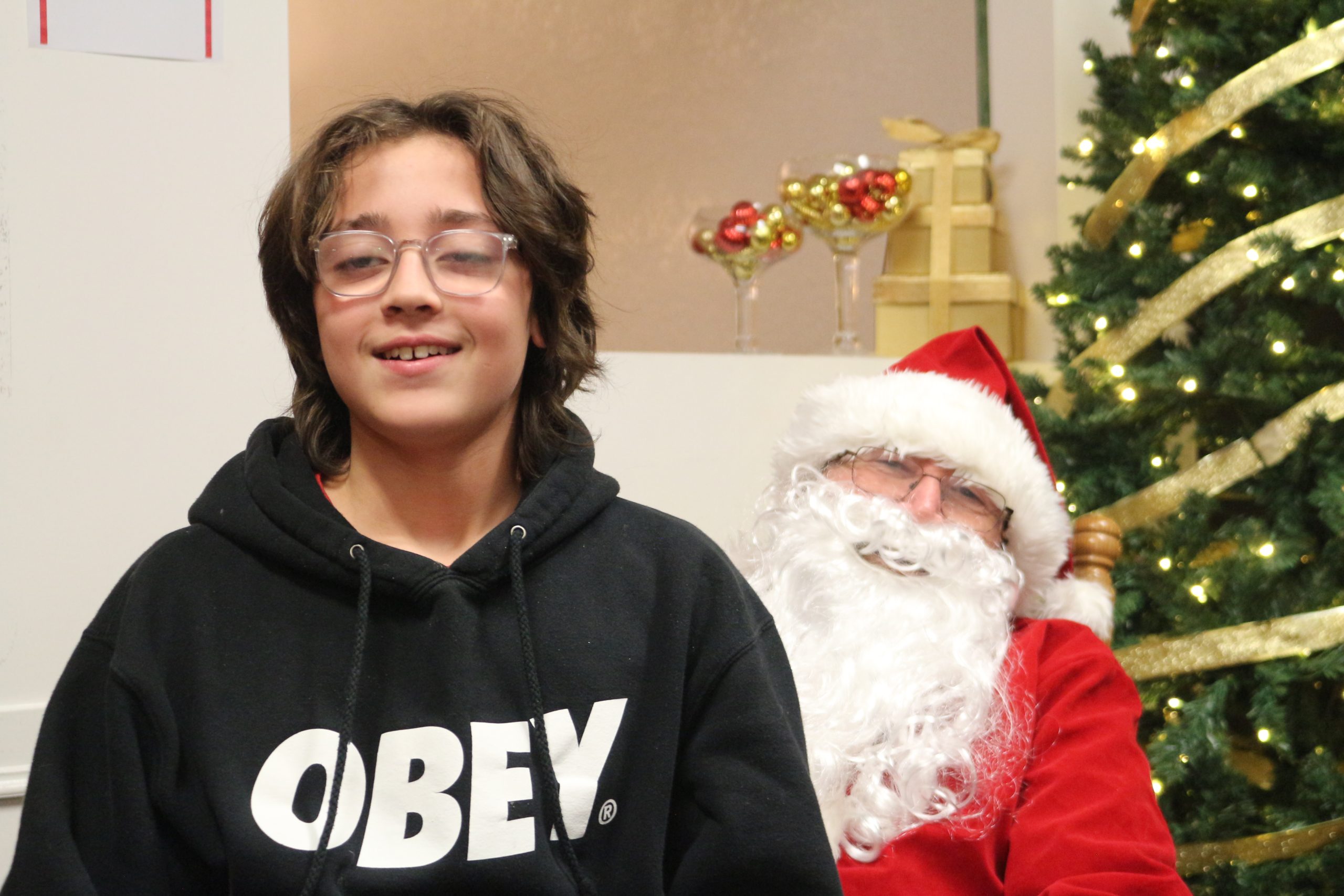
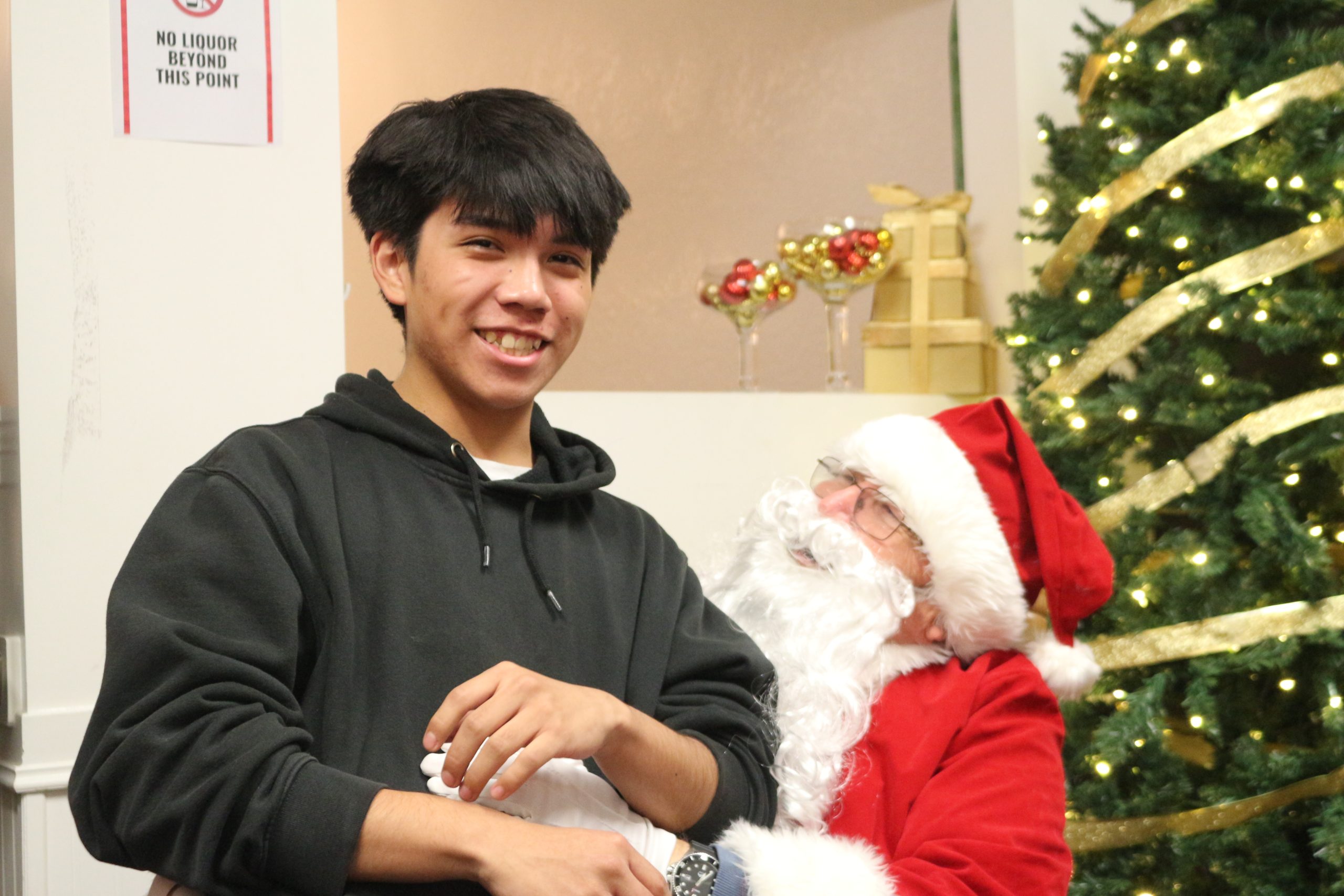
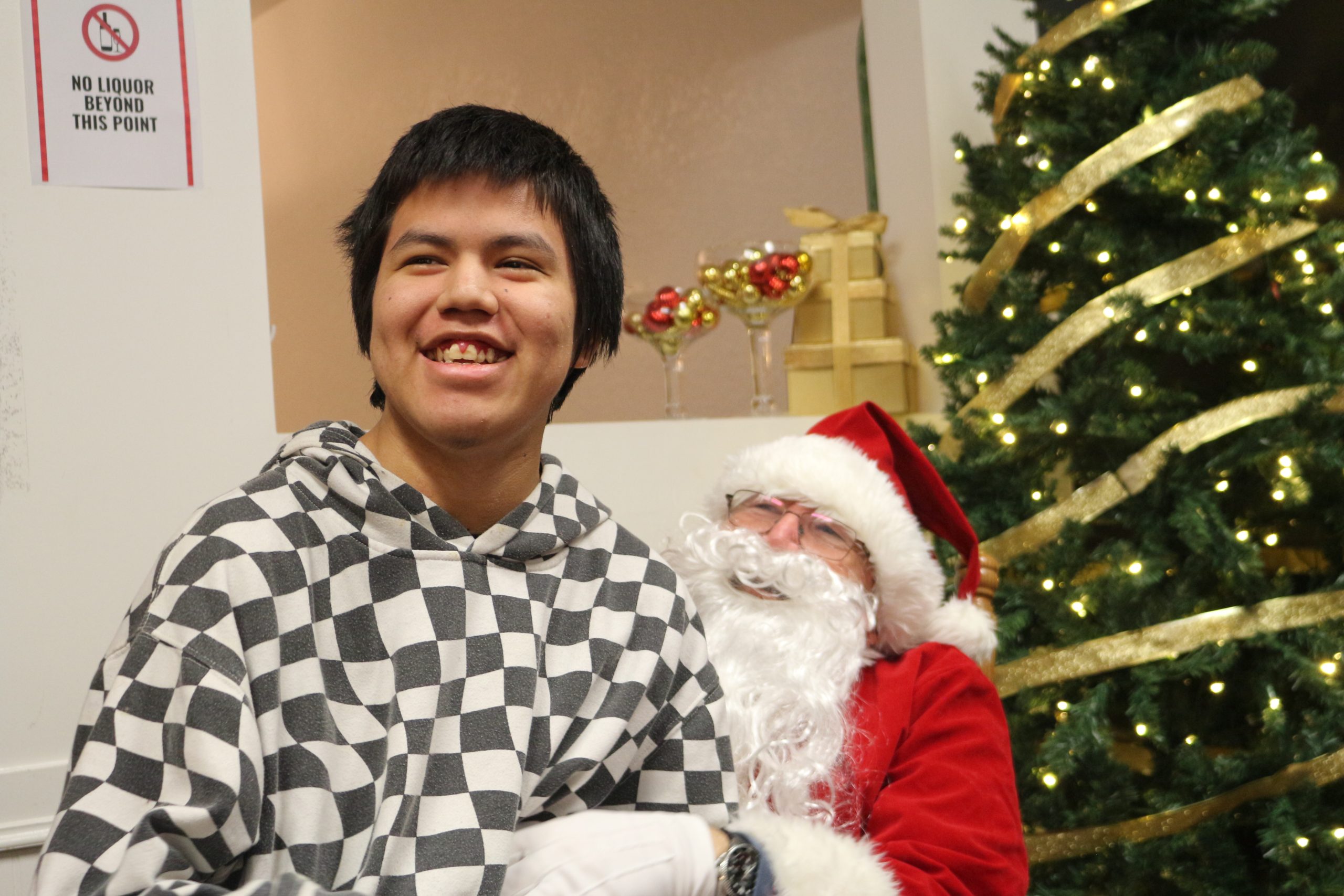
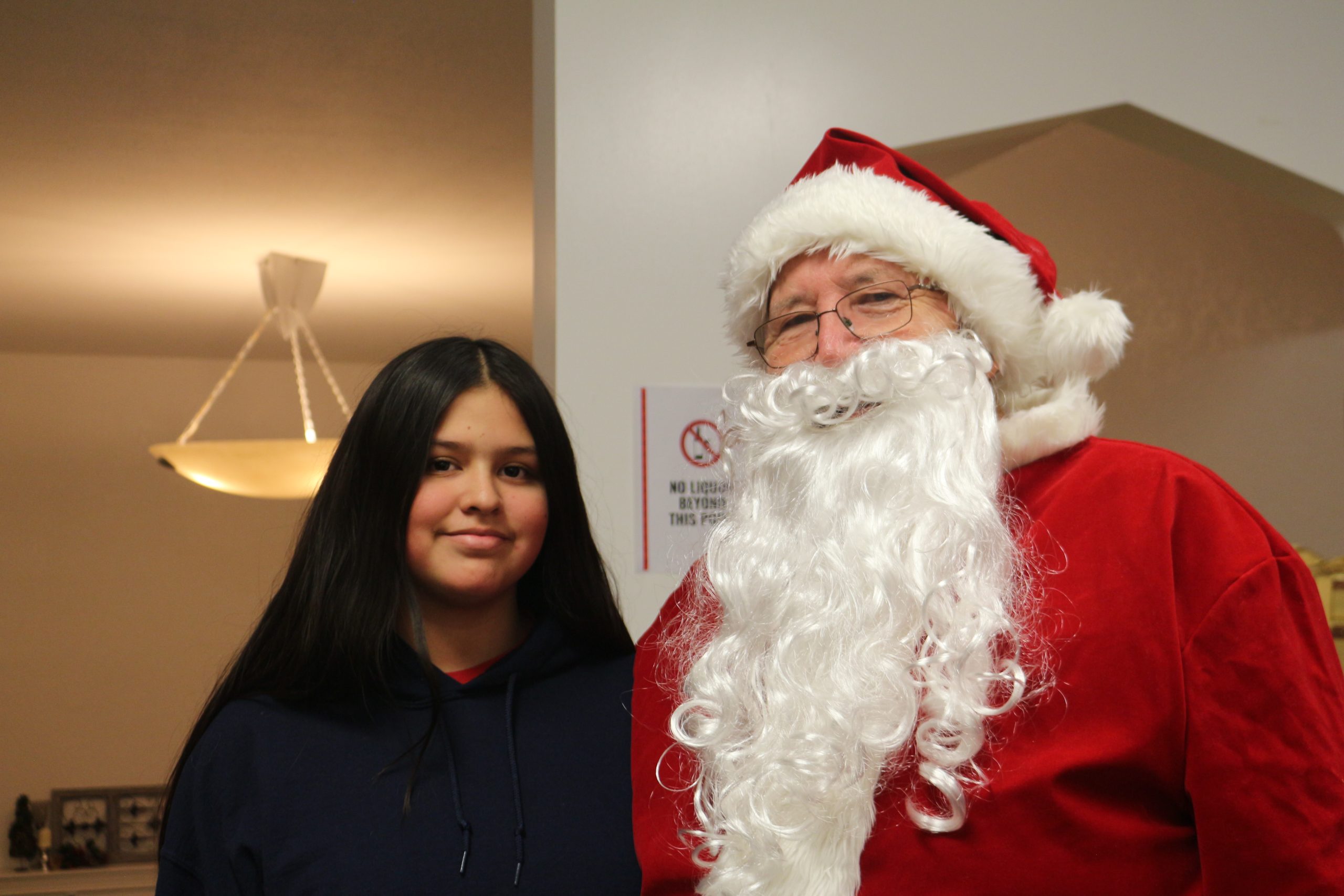
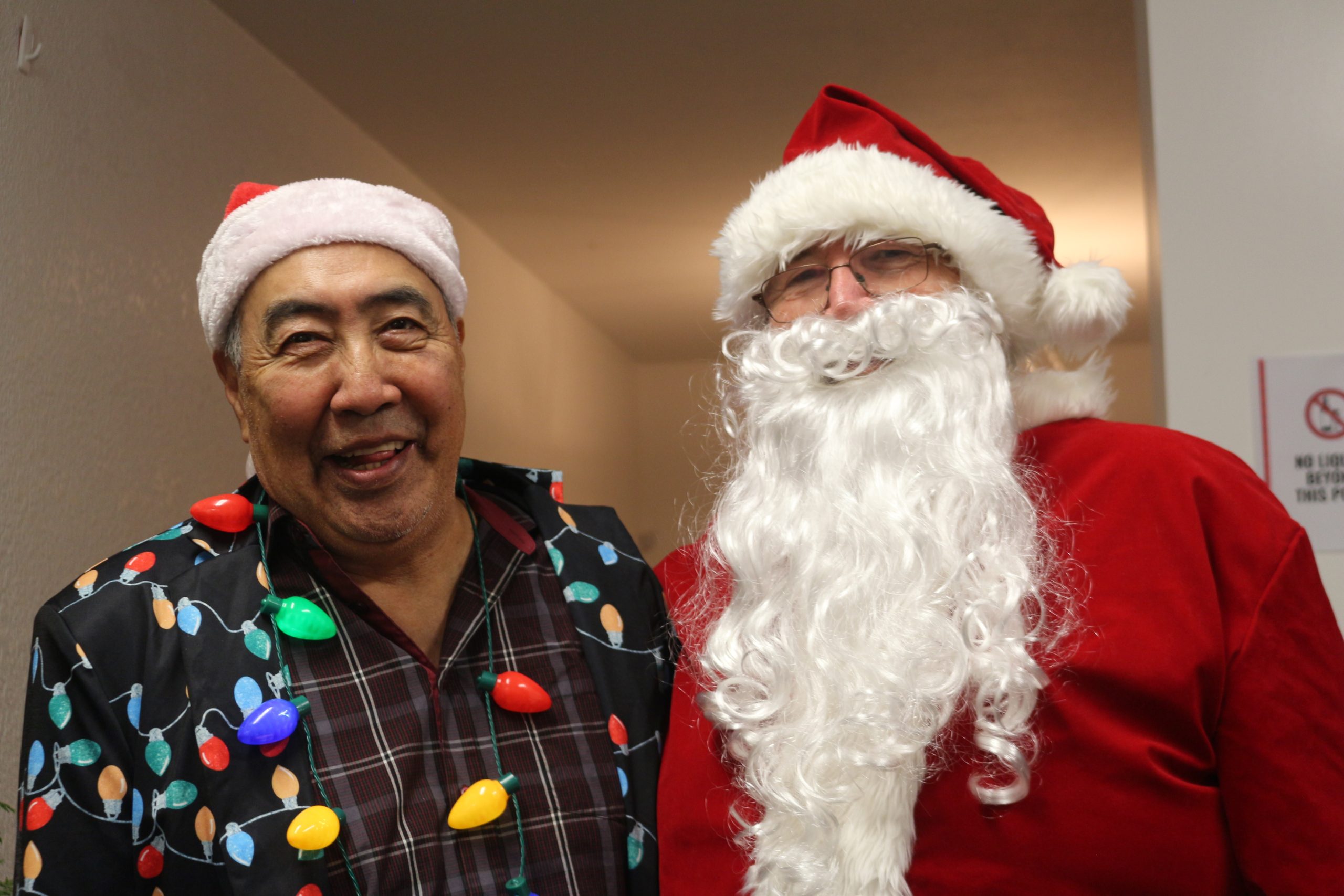
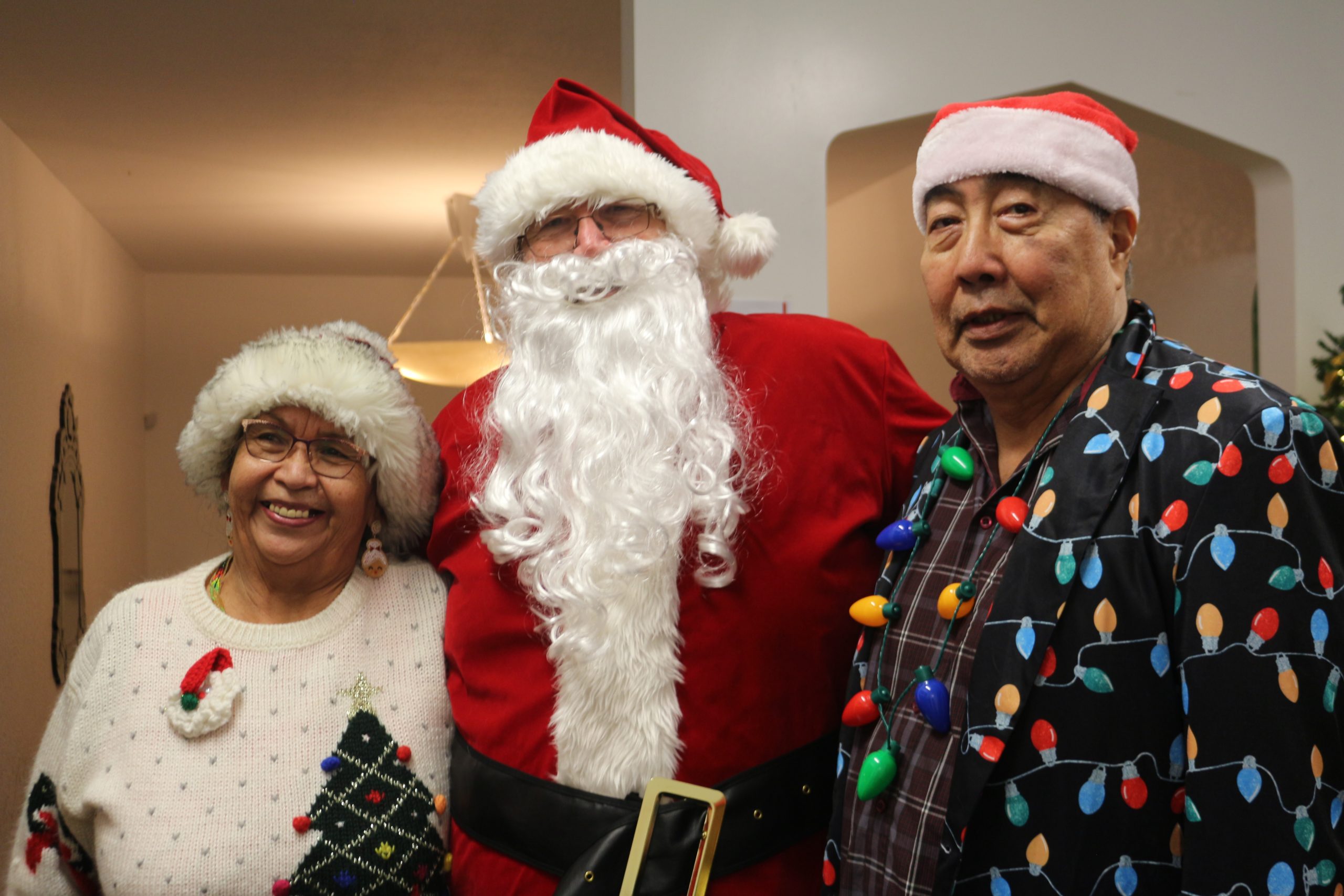
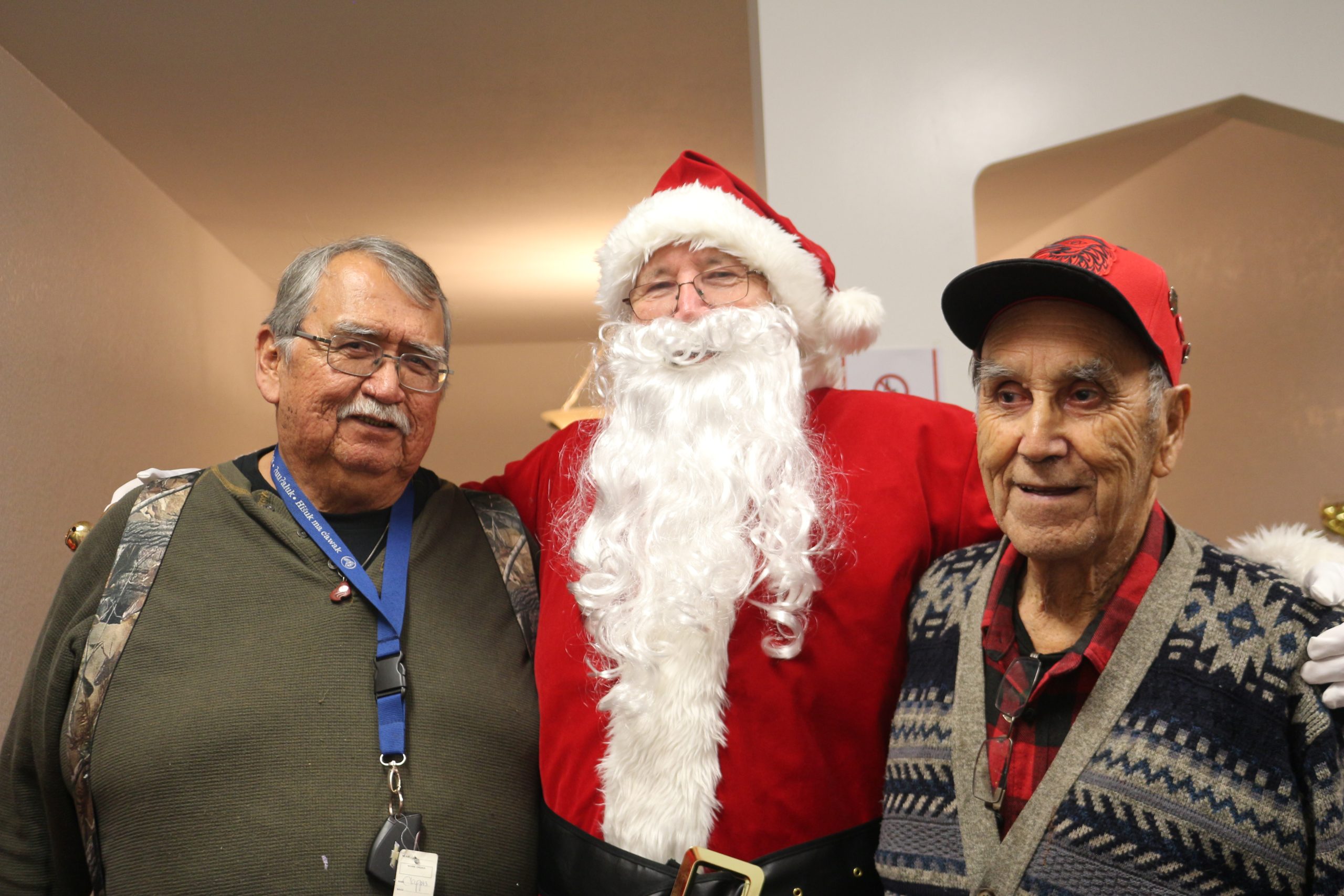
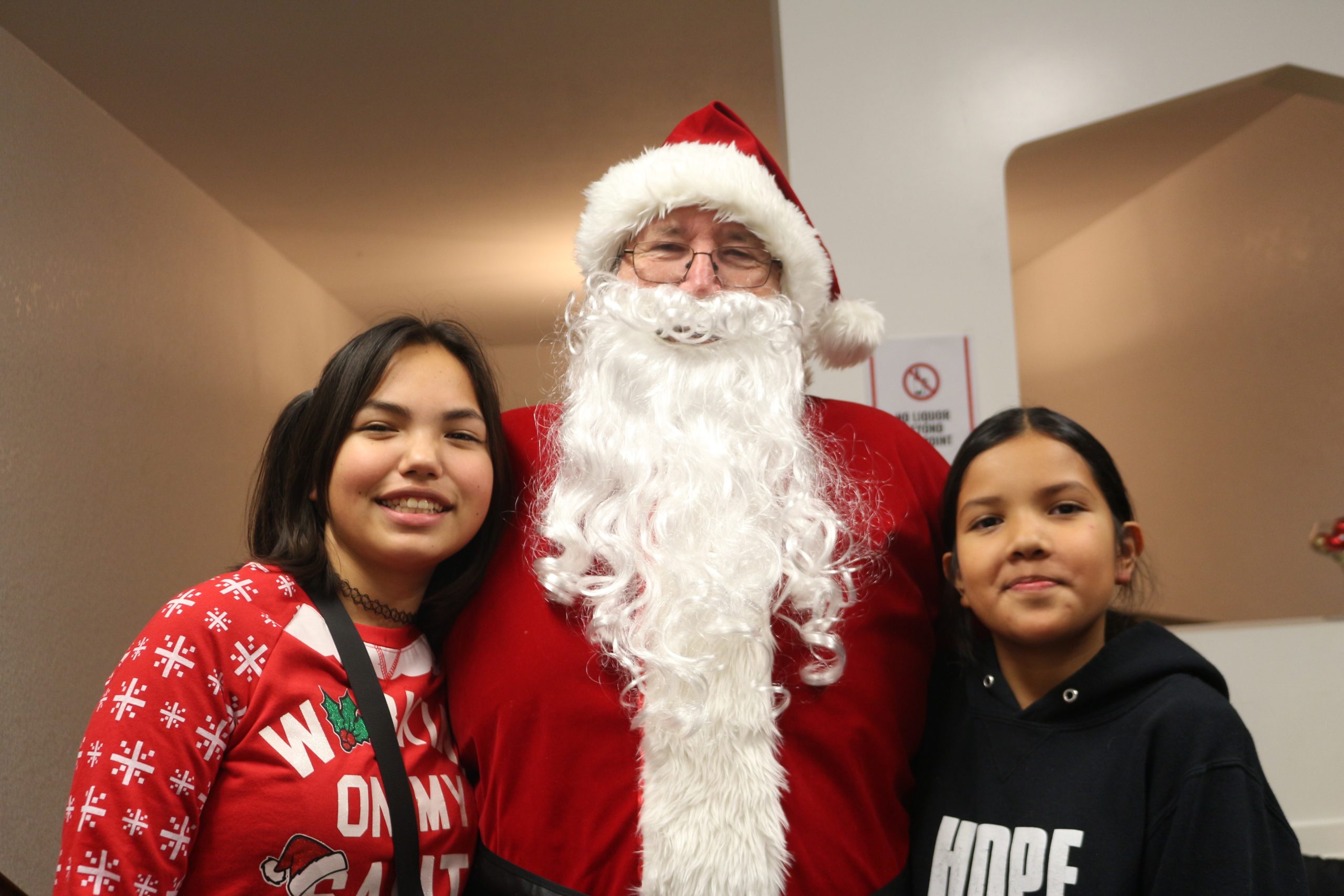
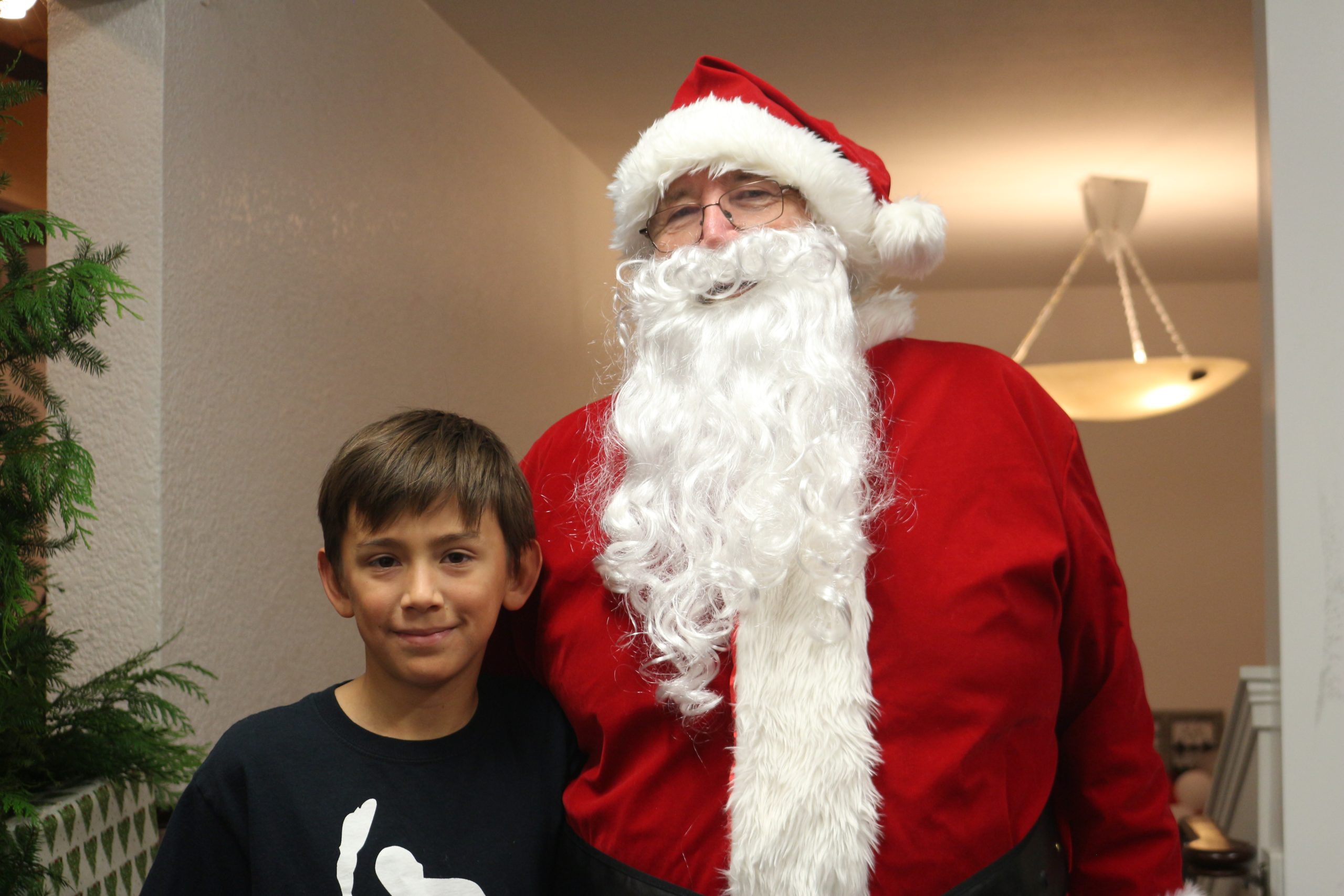
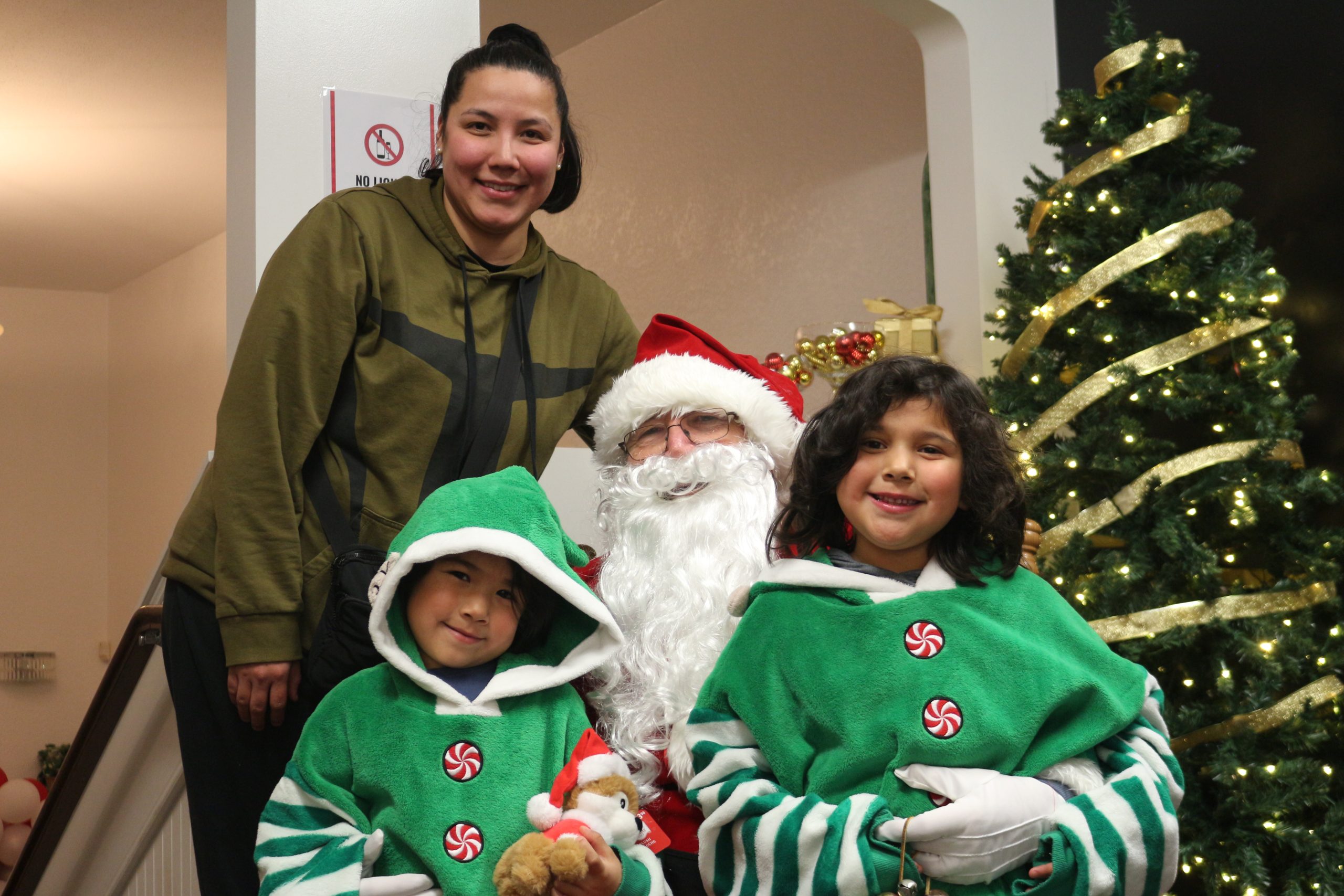
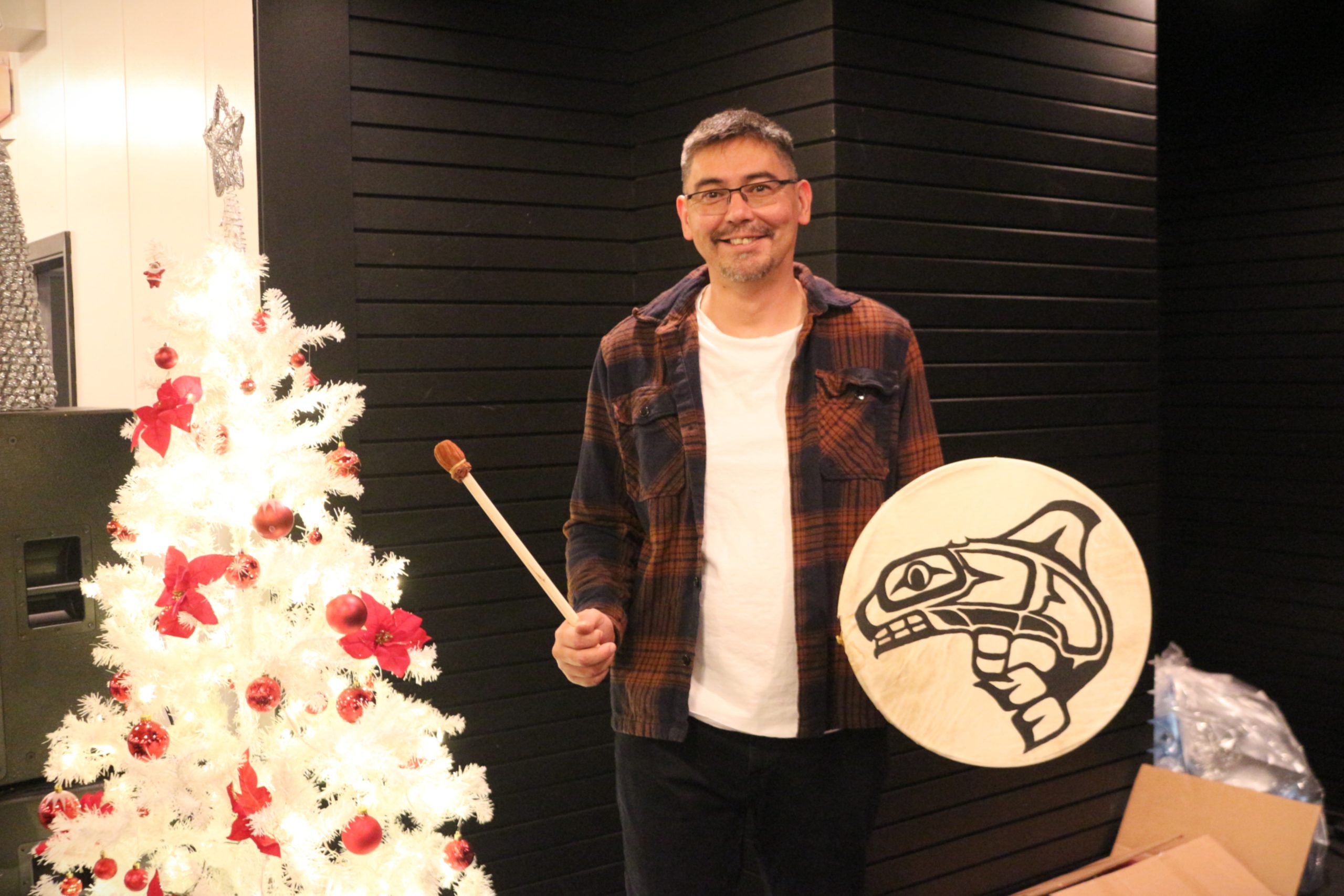
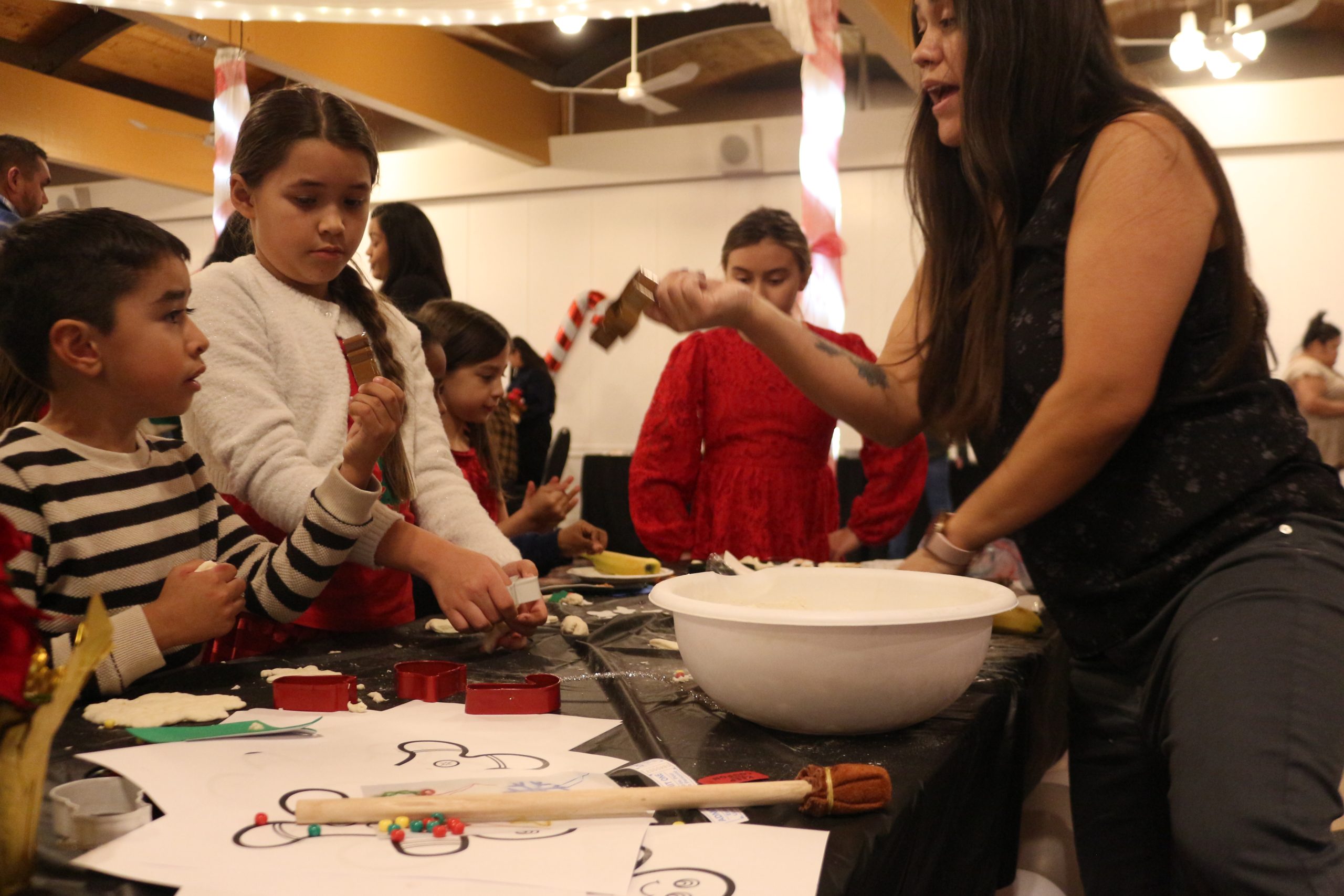
Citizens and visitors watching FIFA game at the House of Huu-ay-aht on Tuesday, July 7, 2026 (Photo by Huu-ay-aht Communications).
The fusion of culture and the global excitement of soccer brought Anacla together with neighbouring communities on Tuesday, July 7, 2026, for a monumental FIFA World Cup Watch Party and Community Day.
Tuesday’s festivities were among many other watch parties and community events since June organized by the 2026 Alberni Valley Indigenous-Led Soccer Community Celebration, a historic regional festival funded by the Province of British Columbia through a $90,000 grant from the 2026 Community Event Support Fund. The initiative represents a powerful partnership between the Hupačasatḥ, c̓išaaʔatḥ (Tseshaht), and Huu-ay-aht First Nations, aimed at creating a lasting sports legacy and bringing Truth and Reconciliation to life through soccer.
The morning kicked off at the Upper Anacla Field with an energetic soccer clinic led by Sam Hodgetts from Ditidaht First Nation. Around 15 eager young participants from the communities of Nitinat, Anacla, and Bamfield took to the field to sharpen their skills and run through drills.
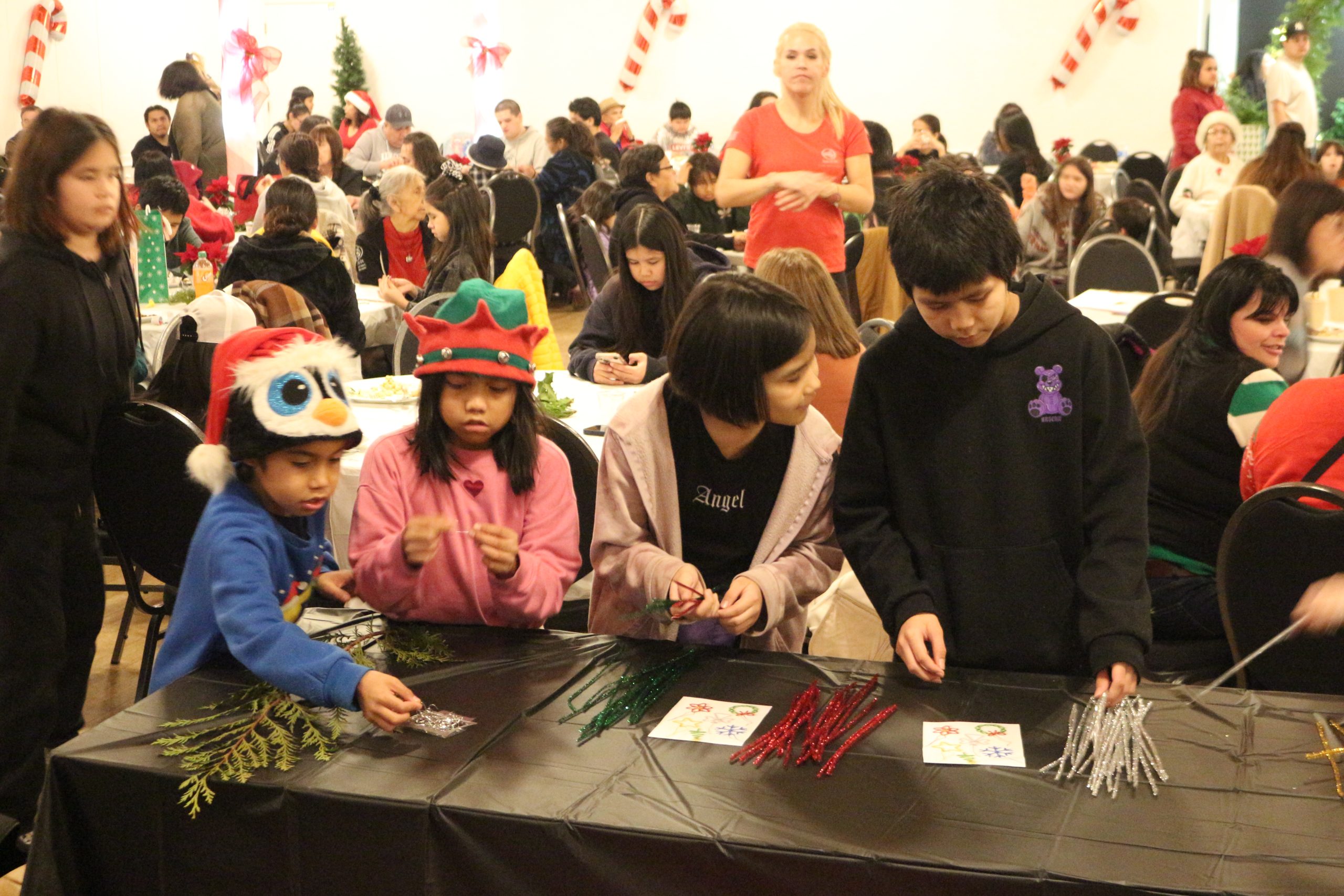
By midday, the action shifted to the House of Huu-ay-aht. Attendees were treated to a warm welcome ceremony and a barbecue lunch prepared by Sarah Johnson. While lunch was served, citizens, community members, and visitors connected with hands-on cedar bark weaving lessons.
In the afternoon, the House of Huu-ay-aht transformed into a world-class sports arena for the highly anticipated FIFA World Cup match between Switzerland and Colombia.
Equipped with chairs and community spirit, Huu-ay-aht Citizens gathered with visitors from Nitinat, Bamfield, Port Alberni, and Pachena Bay Campground.
The viewing experience was brought to life by Five Acre Co. Staging and Productions Services, who installed a massive 8×14-foot screen paired with a superior, stadium-quality sound system. The immersive audiovisual setup delivered an electric atmosphere, leaving attendees feeling as though they were at the game.
The Switzerland-Colombia match went to extra time, remaining scoreless after 120 minutes before moving to penalties. Ruben Vargas struck the winning penalty to secure a 4-3 shootout victory for Switzerland, advancing the team to the quarterfinals.
Huu-ay-aht First Nations would like to raise our hands to the event organizers at the 2026 Alberni Valley Indigenous-Led Soccer Community Celebration, the Province of British Columbia, Sam Hodgetts, Sarah Johnson, Five Acre Co., and all attendees. Your hard work and dedication did not go unnoticed, and it allowed our communities to celebrate together.
If you are looking for a place to watch the FIFA World Cup final on Sunday, July 19, 2026, the Alberni Valley Indigenous-Led Soccer Community Celebration will host the game at The KCC (4090 Hollywood St.) in Port Alberni. Doors open at 10 a.m.; the game starts at 12 p.m. The event is free and for all ages, with food, beverages, and the community coming together!
On a pathway to jurisdiction over our children and families, Huu-ay-aht First Nations Child and Family Wellness department recently wrapped up a vital series of community engagements spanning from Anacla to Vancouver.
Held during the final week of June, the five distinct engagement sessions provided Huu-ay-aht families and citizens with critical updates on the nation’s independent legislative path and milestones achieved alongside federal and provincial partners. The focus was on the Yaaʔak̕ap (to embrace) Child and Family Wellness Act, Huu-ay-aht’s own foundational child welfare legislation, as well as the historic yaaʔak̓apʷin (we are embracing) shared interest agreement.
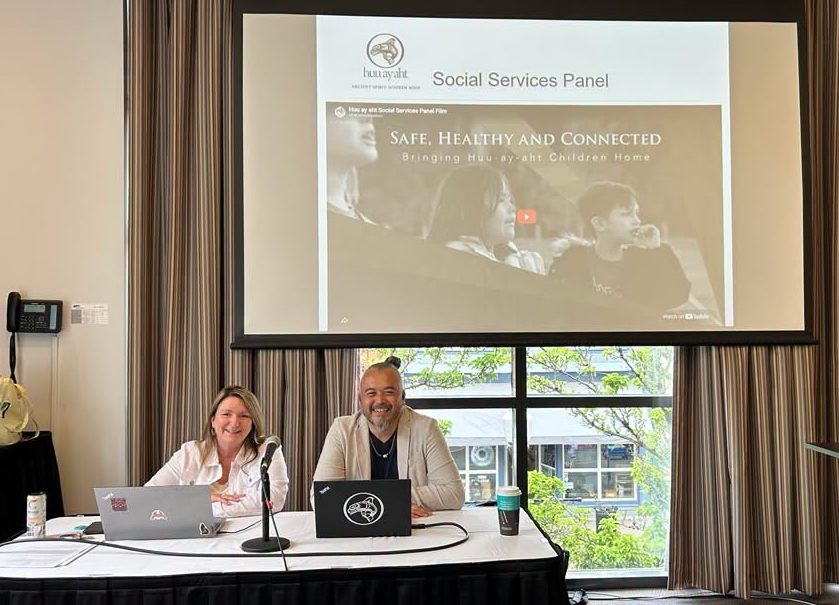
Director of Child & Family Wellness, Kerry-Ann Collinge and Executive Councillor and Child & Family Wellness Portfolio Holder, Edward R. Johnson, at the Nanaimo Community Engagement on Thursday, June 25, 2026 (Photo by Communications).
A Proven Model: “Bring Our Children Home”
These recent community updates represent a journey that began nearly a decade ago. In 2016, after years of systemic challenges under federal and provincial family services, Huu-ay-aht’s Executive Council appointed an independent Social Services Panel. The panel’s 2017 report outlined 30 comprehensive recommendations aimed at prevention, healing, and keeping families together instead of separating them.
In 2018, the Nation declared a public health emergency due to the high number of children in provincial care. Following this, it secured essential funding from both Canada and British Columbia to implement its practice framework developed from the 30 recommendations.
The shift from a reactive child protection model to the Huu-ay-aht community-driven, life-span prevention approach has shown remarkable results. With the specialized “Bring Our Children Home” model, 72% of Huu-ay-aht First Nations children in care have been successfully reunited with their families and community. This achievement has been further supported by the opening of the ʔumʔiiqsu Centre and Childcare Centre in Port Alberni in 2025. This innovation was based on recommendation 26 out of the 30 recommendations made in 2017. The Indigenous-led residential and childcare facility is designed to provide comprehensive support, allowing families to thrive and heal together.
The yaaʔak̓apʷin Agreement and Provincial Education Tour
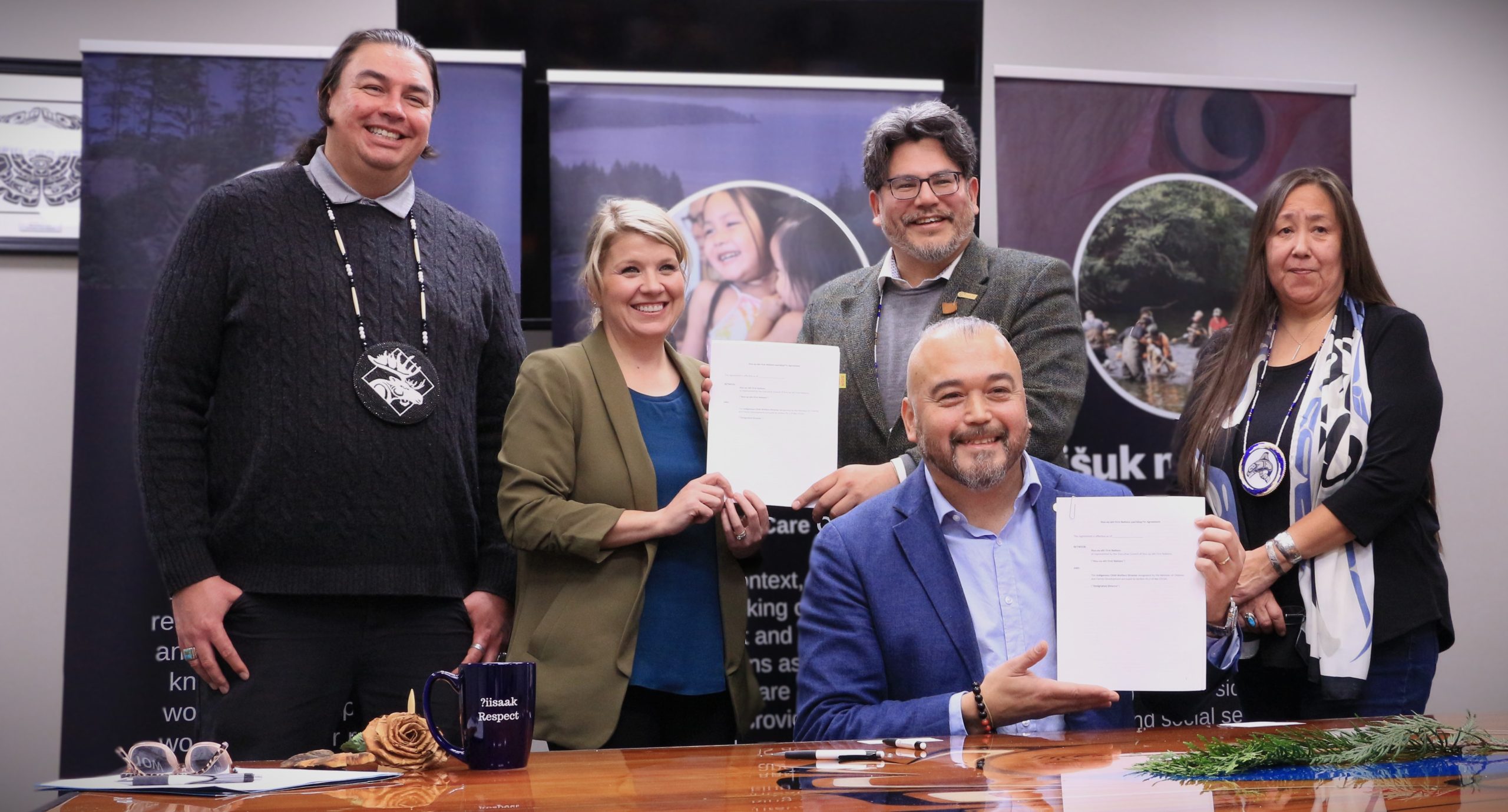
A significant milestone on the path to sovereignty was achieved on December 16, 2025, when the Huu-ay-aht First Nations and the British Columbia Ministry of Children and Family Development (MCFD) signed the yaaʔak̓apʷin agreement. This agreement officially came into effect on March 16, 2026, and ensures that the Nation has a greater role and genuine involvement in child welfare planning and decision-making.
Following its implementation in March, Huu-ay-aht First Nations launched an extensive educational campaign, delivering nearly 10 presentations between March and June to MCFD Directors of Child Wellness Operations and frontline social workers across the province. Designed to educate the ministry on best government-to-government practices and define exactly how to work with Huu-ay-aht children and families, the presentations saw immense engagement, with the largest session drawing over 130 attendees.
With this crucial educational phase successfully completed, MCFD and Huu-ay-aht leadership have officially returned to the negotiating table to map out Phase 2 of the agreement. This next phase aims to further align operations and structural planning, with completion projected by the end of summer 2026.
Activating the Yaaʔak̕ap Act: Concurrency and Accountability
As Huu-ay-aht navigates these provincial alignments, the Nation is preparing to fully activate its own legal framework. While passed by the Huu-ay-aht Legislature in May 2023 under then-Chief Councillor Robert Dennis, the Yaaʔak̕ap Child and Family Wellness Act includes a specific activation protocol: it is not formally in force until the Executive Council passes a resolution bringing it into effect. To prepare for this operational transition, the government enacted the Huu-ay-aht General Legislation Amendment Act, 2026, on March 31, 2026, signed by Chief Councillor John Jack and ḥaw̓iiḥ Councillor Theresa Nookemus.
Once fully brought into force, the Yaaʔak̕ap Act will operate concurrently with provincial and federal child welfare laws throughout British Columbia, applying to Huu-ay-aht children both on and off treaty lands. To support this wide-reaching implementation and permanently resolve existing geographic limitations, the Nation is actively pursuing key treaty amendments with Canada and British Columbia. All service providers, including provincial social workers, will then be legally bound to comply with the Act’s strict provisions.
A central priority of the legislation is shifting authority away from sudden apprehensions toward strict court-ordered accountability. Except in situations of immediate danger, provincial agencies must secure a court order before removing a child from their home, providing the Huu-ay-aht government with advance notice and a formal legal right to intervene, respond, and offer family support services first.
Furthermore, the Act sets strict standards for cultural continuity. Huu-ay-aht children in care will have legally protected rights to access traditional foods and cultural community events. Non-Huu-ay-aht foster families and social workers will be required to demonstrate verified cultural competency and knowledge of Huu-ay-aht values, with the Nation retaining the legal right to petition the courts to change a child’s placement if these cultural standards are not met. To ensure institutional accountability, the Act establishes an independent, non-administrative Child Services Officer who will provide oversight and report directly to the Executive Council.
Navigating the Next Five Years
The June community engagements mark an important milestone for Huu-ay-aht as it embarks on the next significant phase of self-determination. Leadership and staff are currently collaborating with Indigenous Services Canada (ISC) on a comprehensive five-year federal legislative review of Bill C-92, which is titled “An Act respecting First Nations, Inuit, and Métis children, youth, and families.” This bill, passed in 2019, affirmed the inherent jurisdiction of Indigenous communities over child welfare.
Ensuring that citizens are well-informed through these conversations allows community voices to influence upcoming relationships directly, coordination table agreements, and the broader prevention strategy for 2026–2031 by grounding modern legislative pathways in ancient sacred principles, ʔiisaak (greater respect), ʔuʔaałuk (taking care of), and Hišukma c̕awak (everything is one). Huu-ay-aht citizens and staff continue to build a sovereign system of care. This system aims to provide a safe and healthy environment for the next generation, fostering a deep connection to their culture.
Timeline of Key Milestones:
2011: Huu-ay-aht becomes a Modern Treaty Nation under the Maa-nulth Final Agreement, establishing the right to self-government.
2015: Huu-ay-aht and Usma signed Protocol Agreement
2016–2017: The Independent Social Services Panel is formed, delivering 30 recommendations focused on prevention and family unity.
2018: Huu-ay-aht secures $4.2M in federal funding alongside provincial support to launch its proactive Social Services Project.
2018: Huu-ay-aht & BC Housing begin conversations regarding ʔumʔiiqsu Centre
2020: Federal Bill C-92 comes into effect, legally recognizing Indigenous jurisdiction over child and family services across Canada.
2022: B.C. passes Bill 38, the Indigenous Self-Government in Child and Family Services Amendment Act. This Act, along with Bill C-92, upholds the inherent rights of Indigenous communities to provide their own child and family services. B.C. became the first province in Canada to recognize an inherent right of self-government specifically in provincial legislation.
2023: The Yaaʔak̕ap Child and Family Wellness Act is officially passed by the Huu-ay-aht legislature.
2025: The ʔumʔiiqsu Mother Centre opens its doors. In December, the historic yaaʔak̓apʷin agreement is signed with MCFD.
2026: The yaaʔak̓apʷin agreement takes effect. Huu-ay-aht launches a province-wide government-to-government training tour for MCFD staff members.
2026 (Current): June multi-community engagements wrap up as leadership enters Phase 2 negotiations with MCFD, targeting operational alignment by the end of summer.
Members of Huu-ay-aht First Nations celebrated a significant milestone on Dec. 16, 2025, by signing a child and family services agreement, known as the yaaʔak̓apʷin (we are embracing) agreement, with the B.C. Ministry of Children and Family Development.
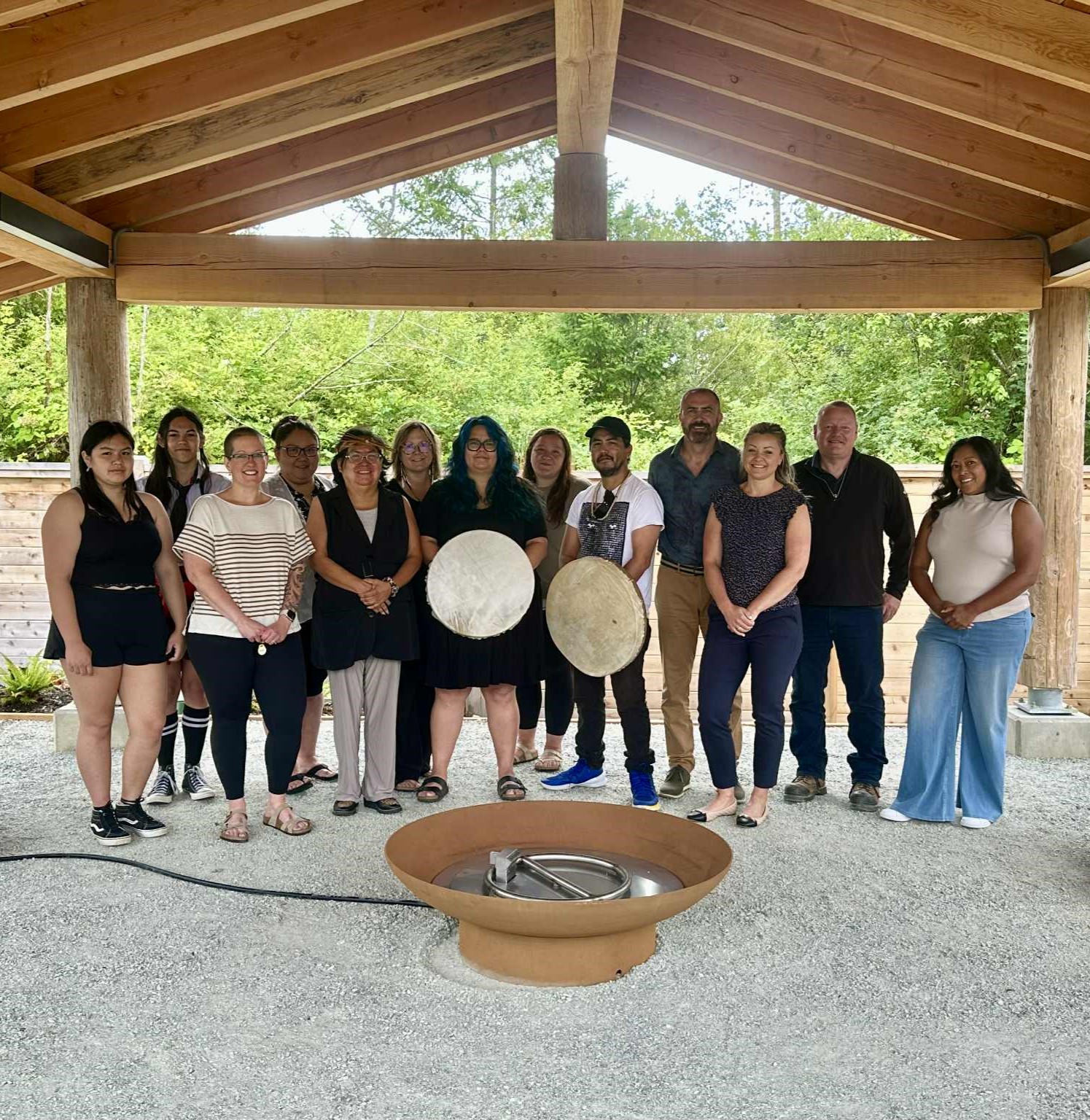
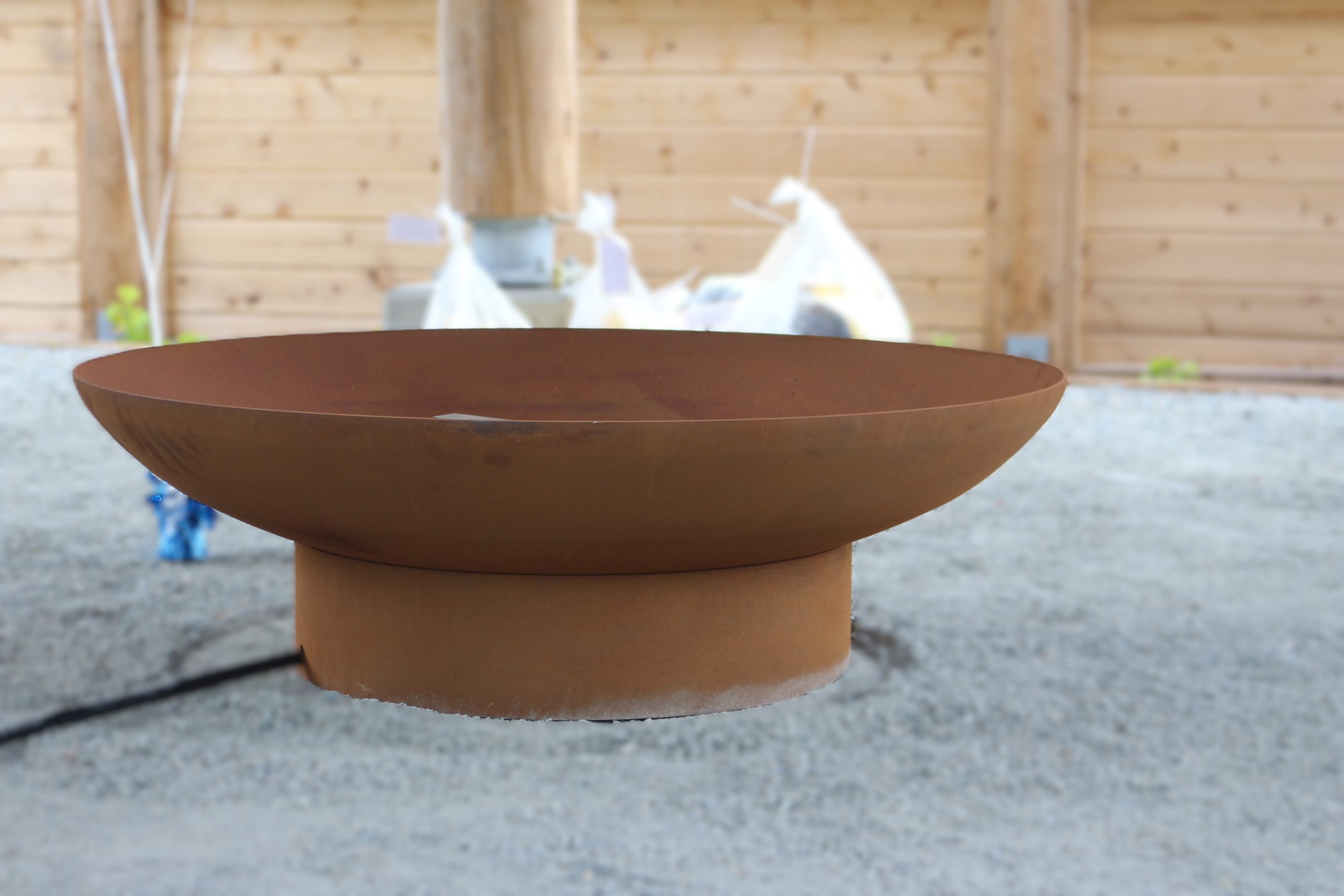
The ʔumʔiiqsu Centre and ʔumʔiiqsu Child Care Centre have received a generous donation of a fireplace from Island West Coast Developments (IWCD), the Nanaimo-based construction company that built the facility. The donation is a heartfelt gesture made to honour the Centre’s mission and to give back to the community.
“It has been an honour to walk alongside you on this journey,” IWCD shared in a card presented with the fireplace. “We hold deep respect for your strength, your stories, and the wisdom of your traditions. May the road ahead continue to bring healing, balance, and connection to spirit, land, and community. IWCD presents this gift in recognition of your experiences and the resilience they represent.”
They added, “We are honoured to play a part in your path to healing. Thank you for allowing us to be involved.”
To mark the occasion, members of the Huu-ay-aht First Nations Culture and Language Department offered a song. They shared deep gratitude on behalf of the Nation and the ʔumʔiiqsu Centre. They expressed thanks using the word: ʔušy̓akšiƛeʔic – You’ve done something useful.
“The natural translation is, thank you,” hinatinyis, Language Coordinator, Huu-ay-aht First Nations, explained. “The literal translation is, you’ve done something useful, a way of saying what you have done has helped a great deal.”
The ʔumʔiiqsu Centre was established in response to Recommendation 26 of the 2017 Huu-ay-aht First Nations Social Services Project Report, Safe, Healthy, and Connected: Bringing Huu-ay-aht Children Home. That recommendation called for the creation of a culturally rooted Mother Centre to help keep families together and bring Huu-ay-aht children home from foster care.
The Centre operates based on Sacred Principles and provides vital support to mothers and children by preventing family separation, protecting against gender-based and intimate partner violence, and helping families reunify.
The ʔumʔiiqsu Child Care Centre is a core part of this work, providing space for 24 children, from newborn to age five, and delivering early childhood education grounded in Indigenous values of care, respect, and interconnectedness.
With the addition of the fireplace, the space now offers even more warmth and comfort for families on their healing journey.
Huu-ay-aht First Nations Government and ʔumʔiiqsu Centre would like to acknowledge the generous gift from IWCD and express our gratitude for the support. This contribution truly reflects the spirit of what we are building together. We appreciate their respect, support, and recognition of the strength within our community.
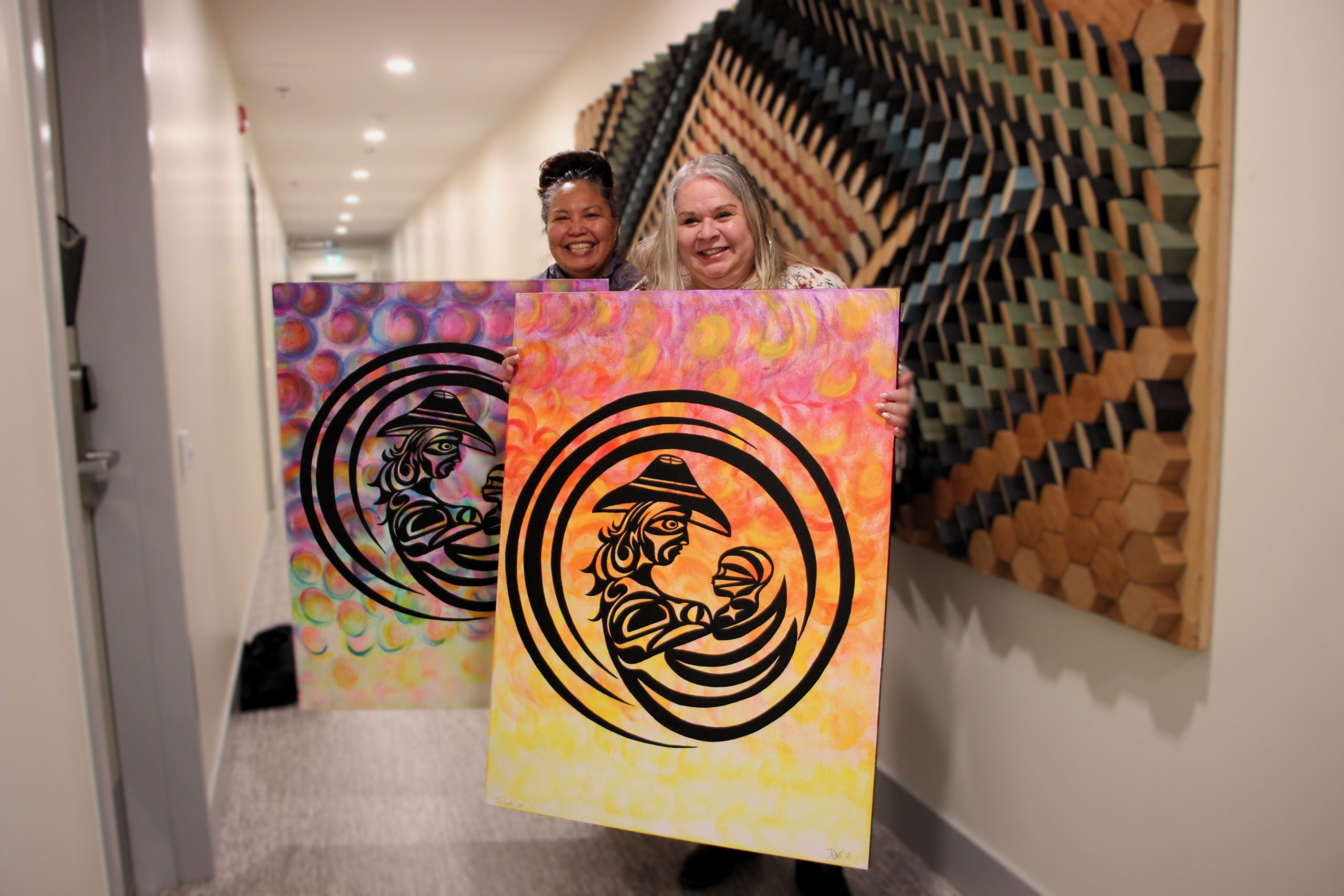
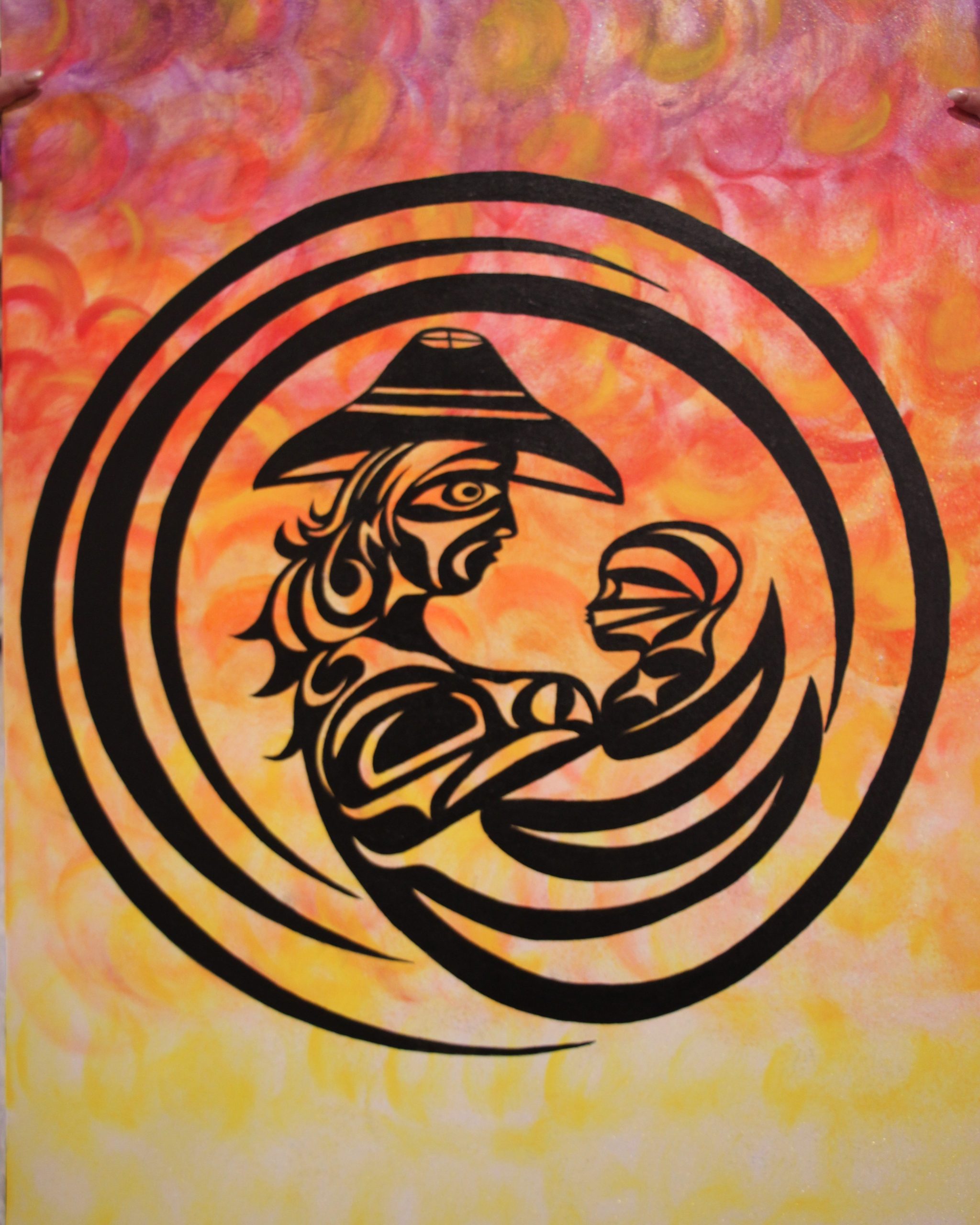
ḥaw̓ił Yaalthuuaa-uks, Sherri Cook and Shannon Zimmerman, Director of ʔumʔiiqsu holding gifted artwork from ḥaw̓iiḥ council (Photo by Huu-ay-aht Communications).
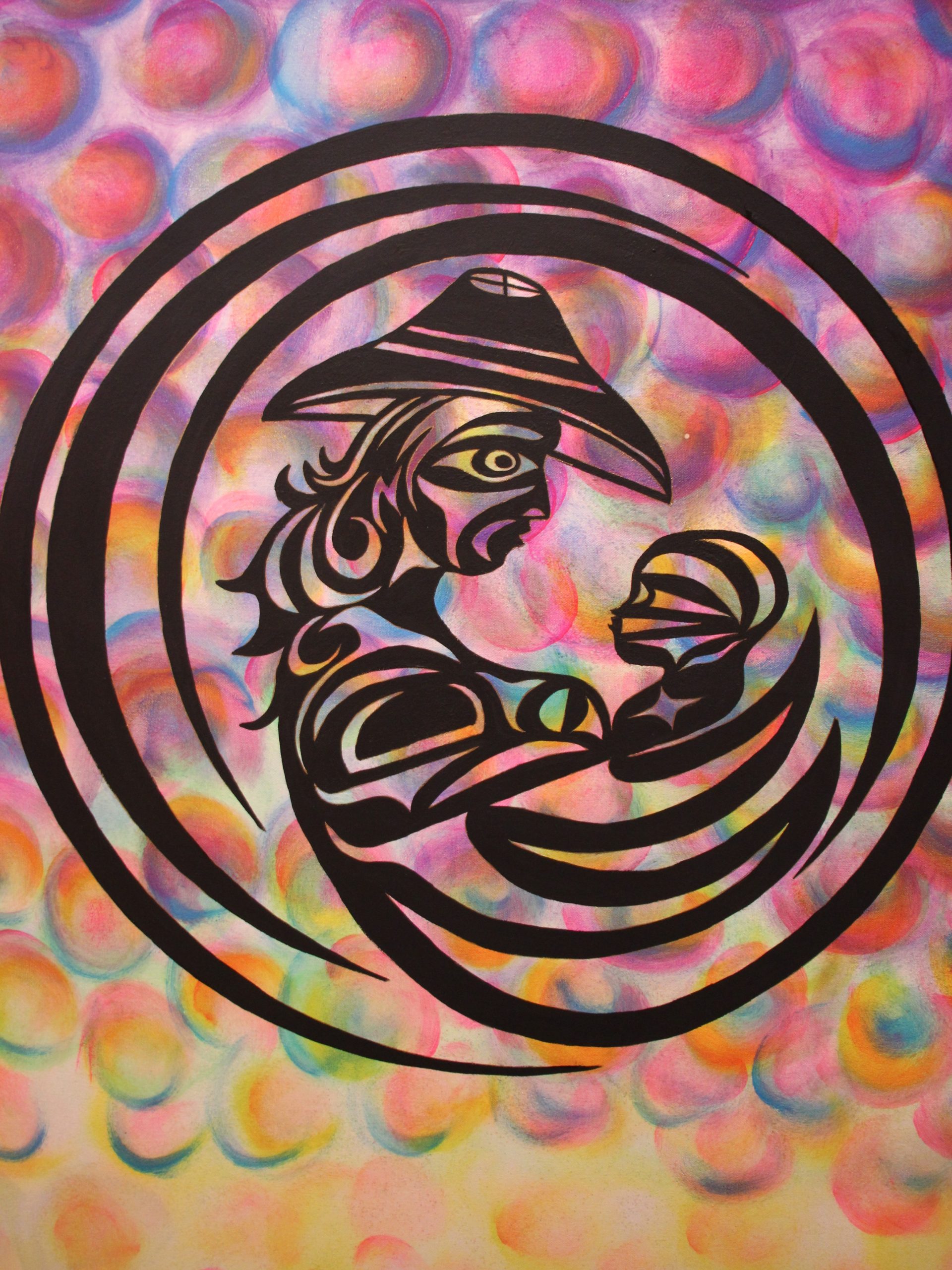
In a heartfelt gesture, the ḥaw̓iiḥ council presented two beautiful paintings to the ʔumʔiiqsu Centre. This unique and culturally focused program opened its doors in January 2025 to keep families together by protecting mothers and children from gender-based and intimate partner violence. It aims to prevent Huu-ay-aht and other Nuu-chah-nulth children and youth from entering foster care, reunite mothers and children who have been separated, and ultimately strengthen families.
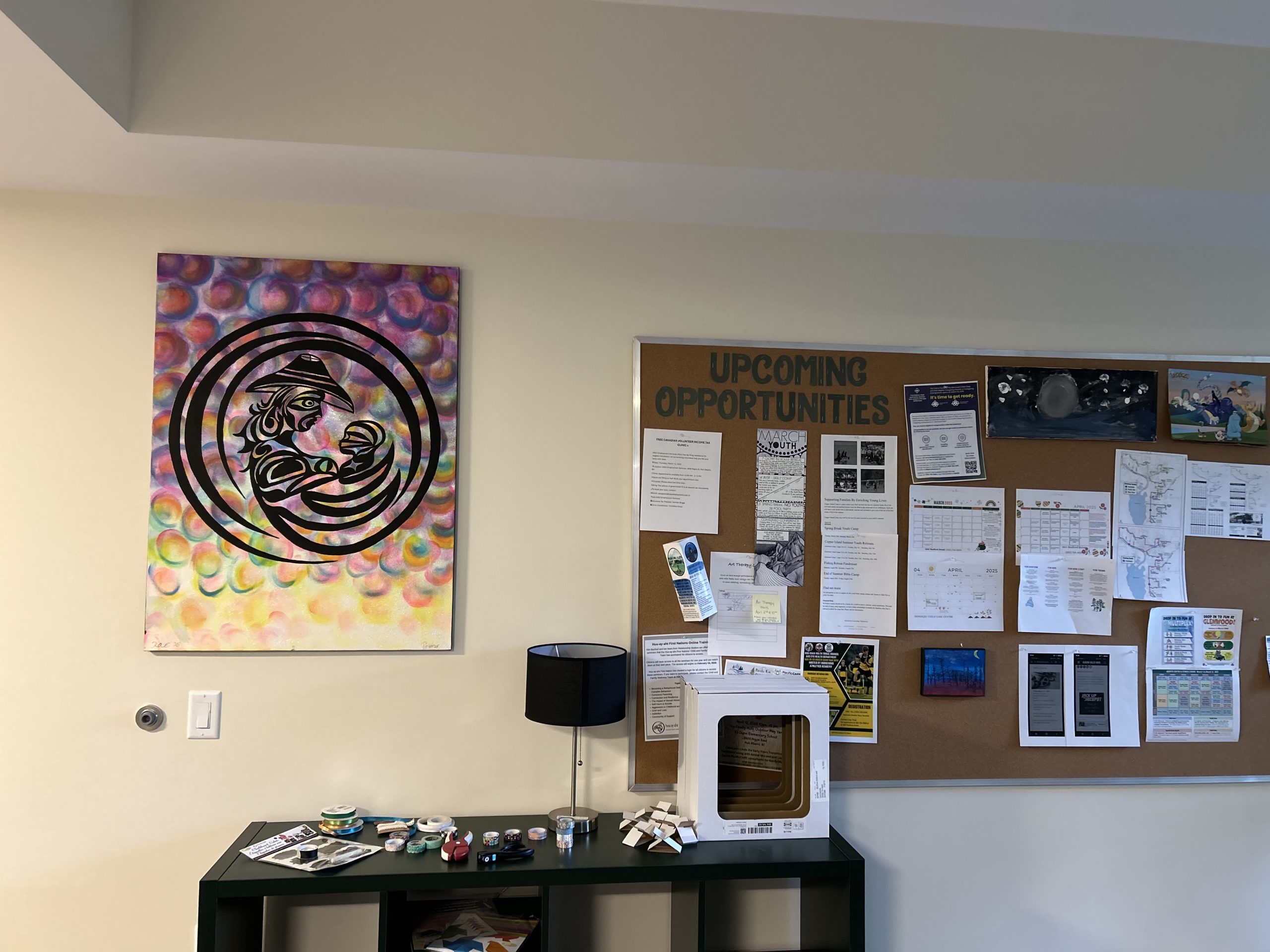
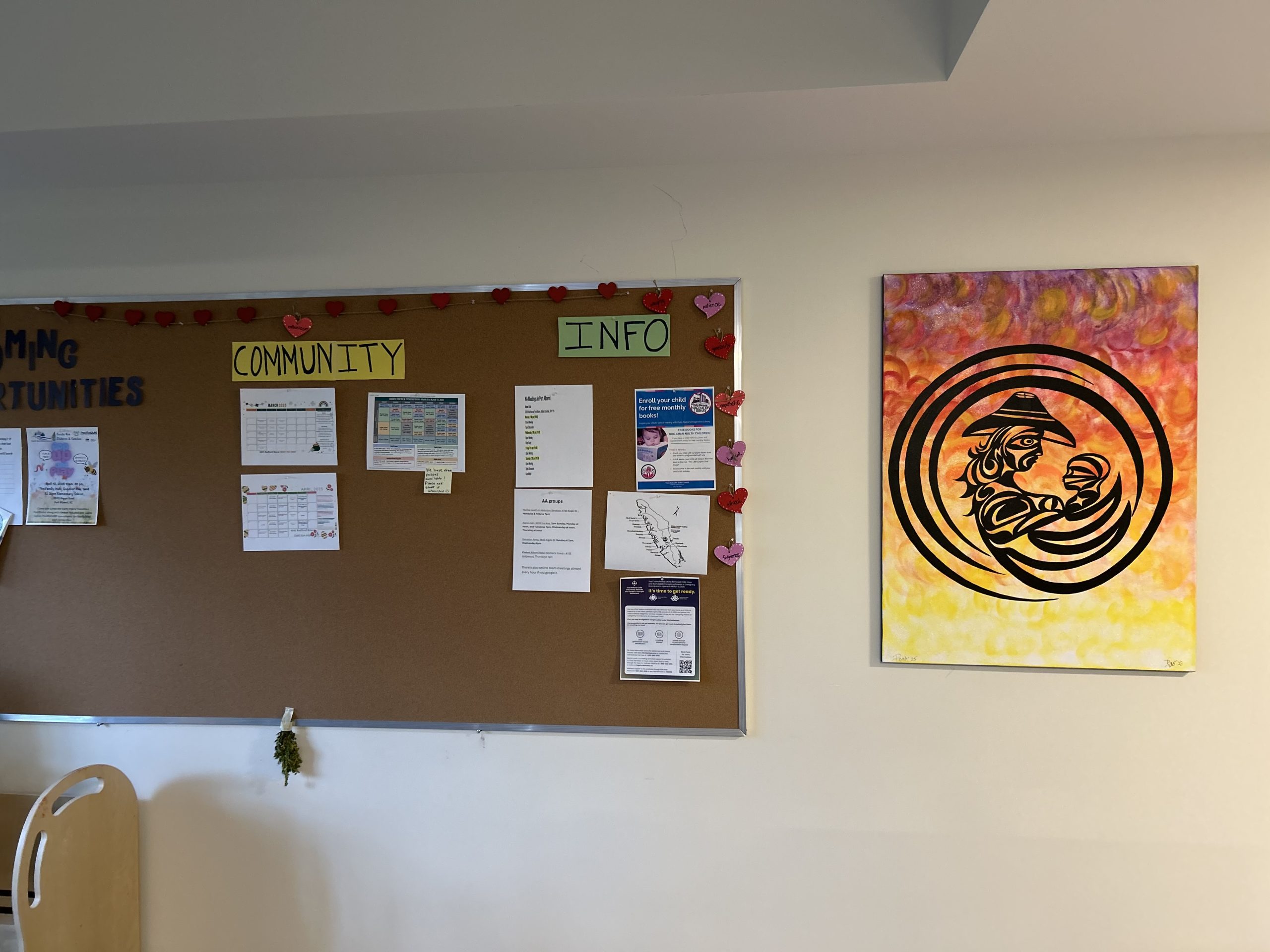
Hesquiaht artist Geena Haiyupis created these gifted artworks to symbolize love and support, capturing the sacred bond between mother and child. The paintings are vibrant and full of spirit and reflect a deep respect for the families who call the Centre home. With this gift, the ḥaw̓iiḥ council offers more than just artwork; they provide comfort, connection, and cultural pride. These paintings are meant to show the families at the ʔumʔiiqsu Center that ḥaw̓iiḥ council supports them and that we hope these paintings bring peace, encouragement and a sense of belonging.
Now proudly displayed in the Centre’s common area, the paintings provide a visual embrace and daily reminder of community care and the ties that unite the Nuu-chah-nulth people through art, tradition, and heartfelt connection.
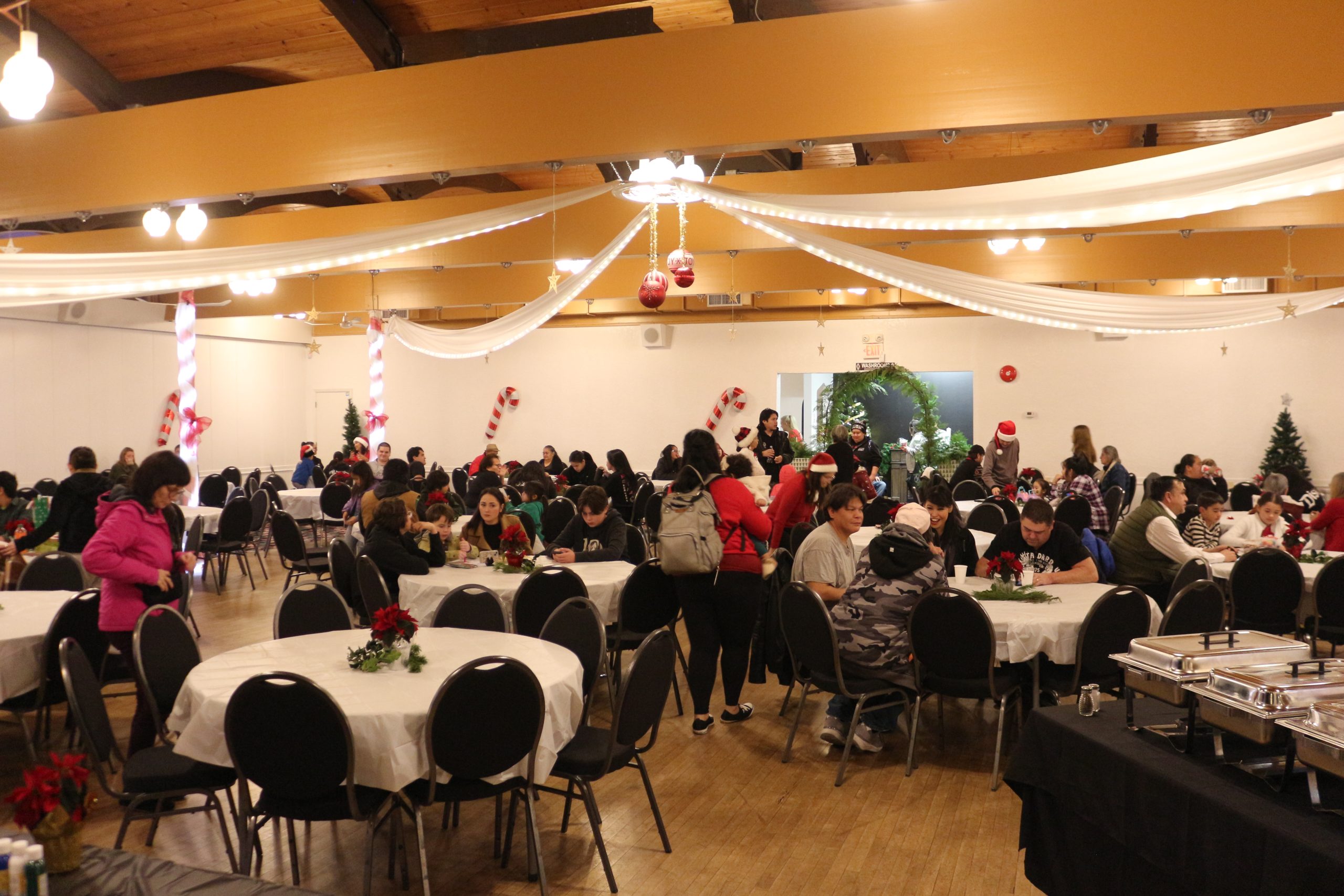
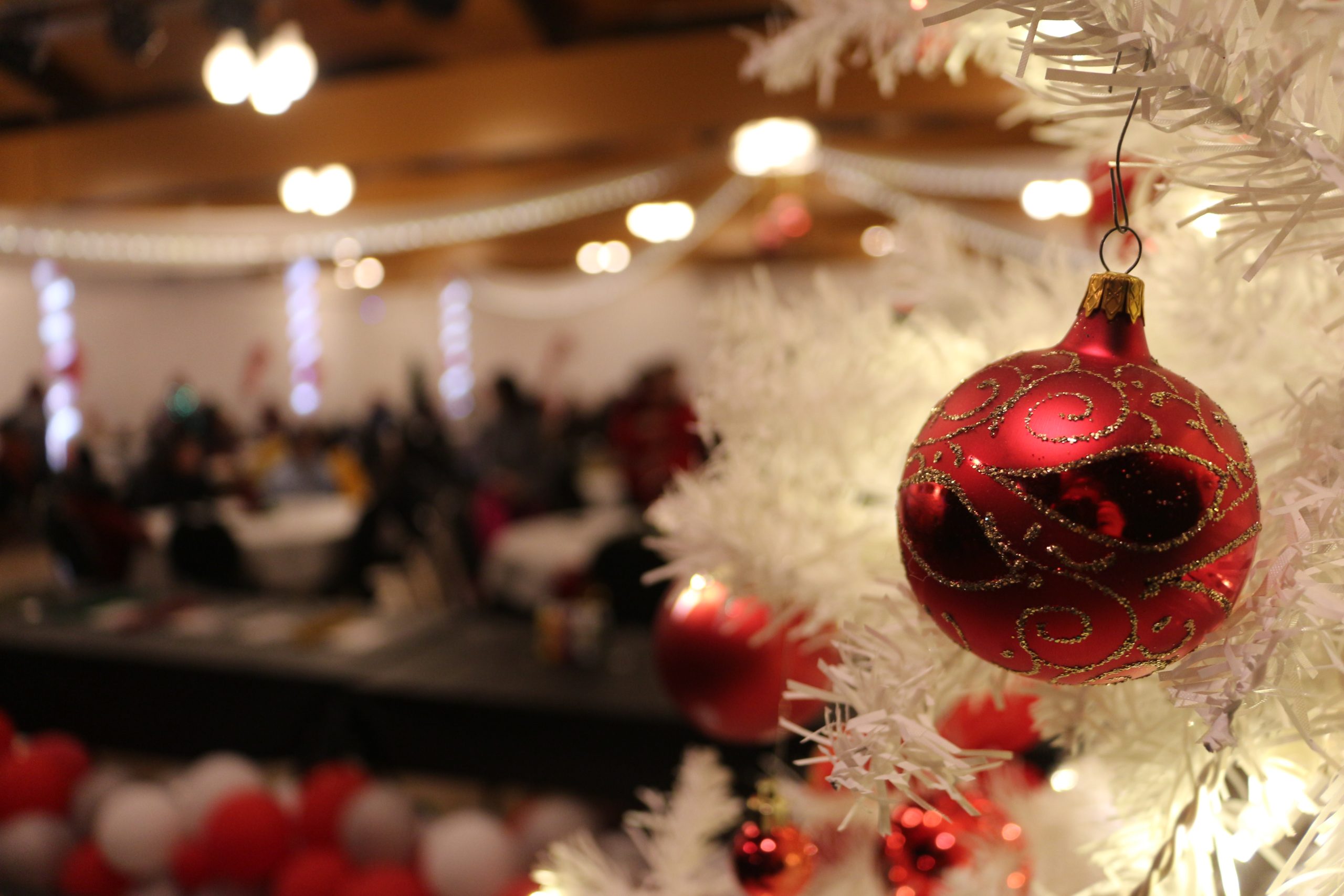
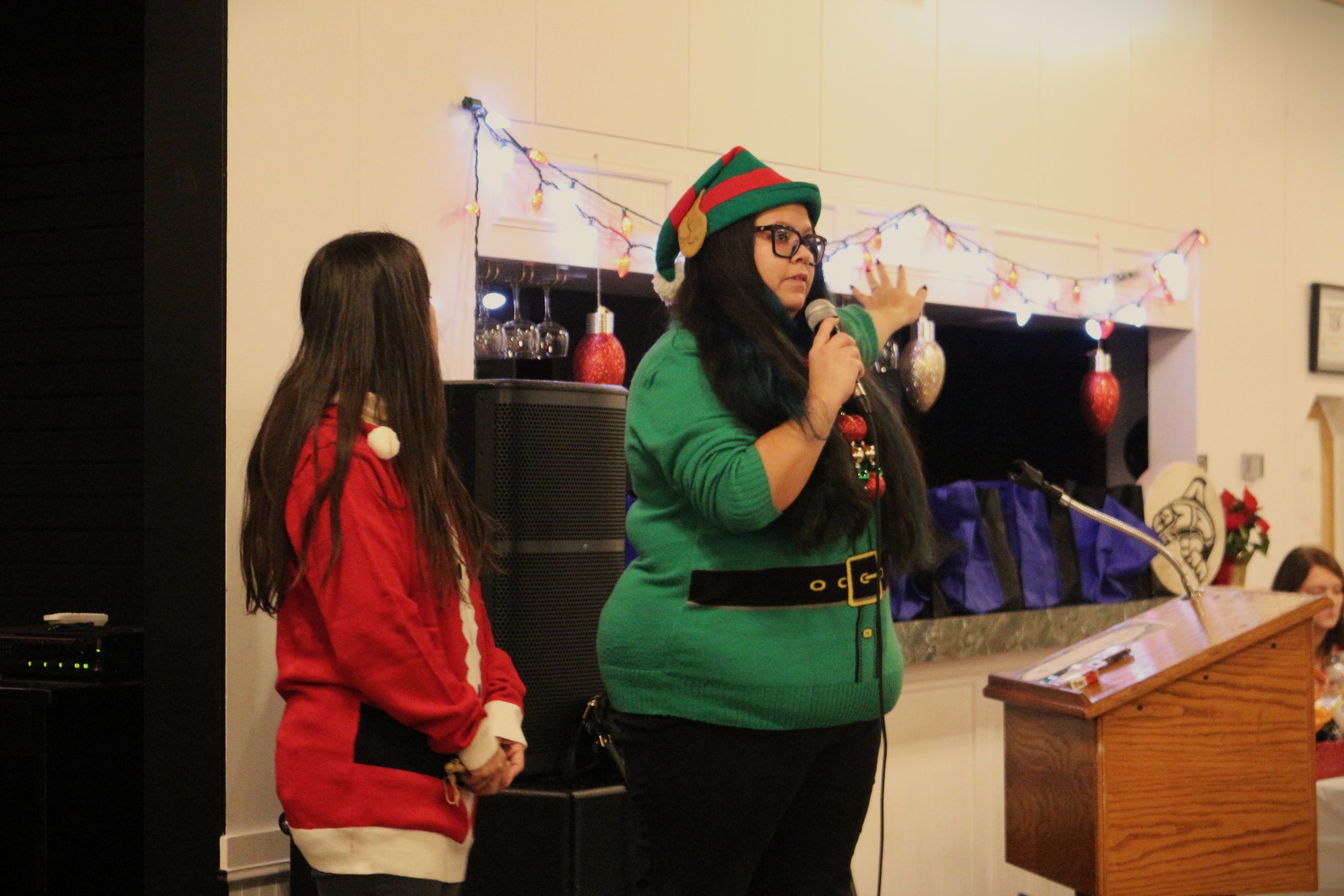
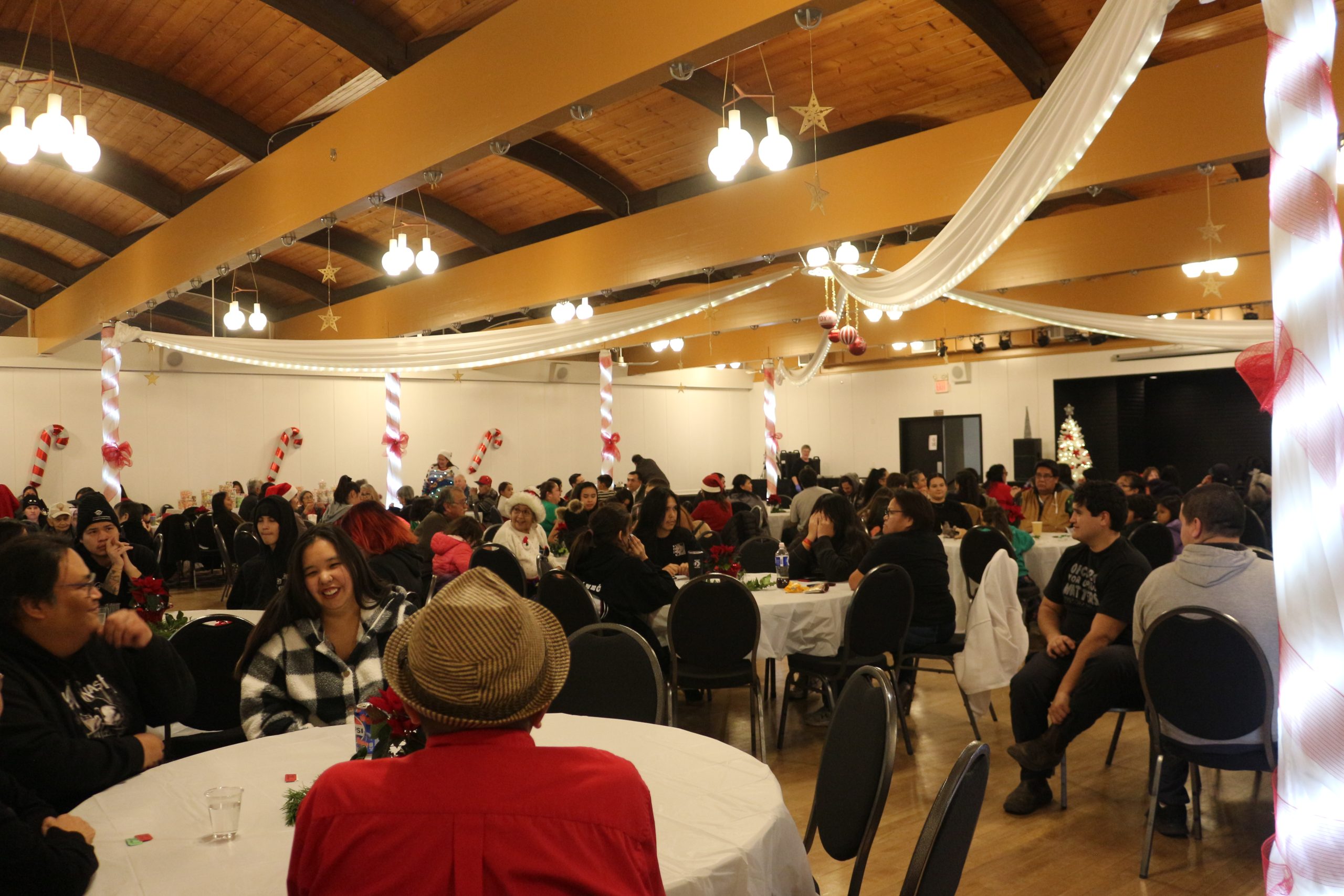
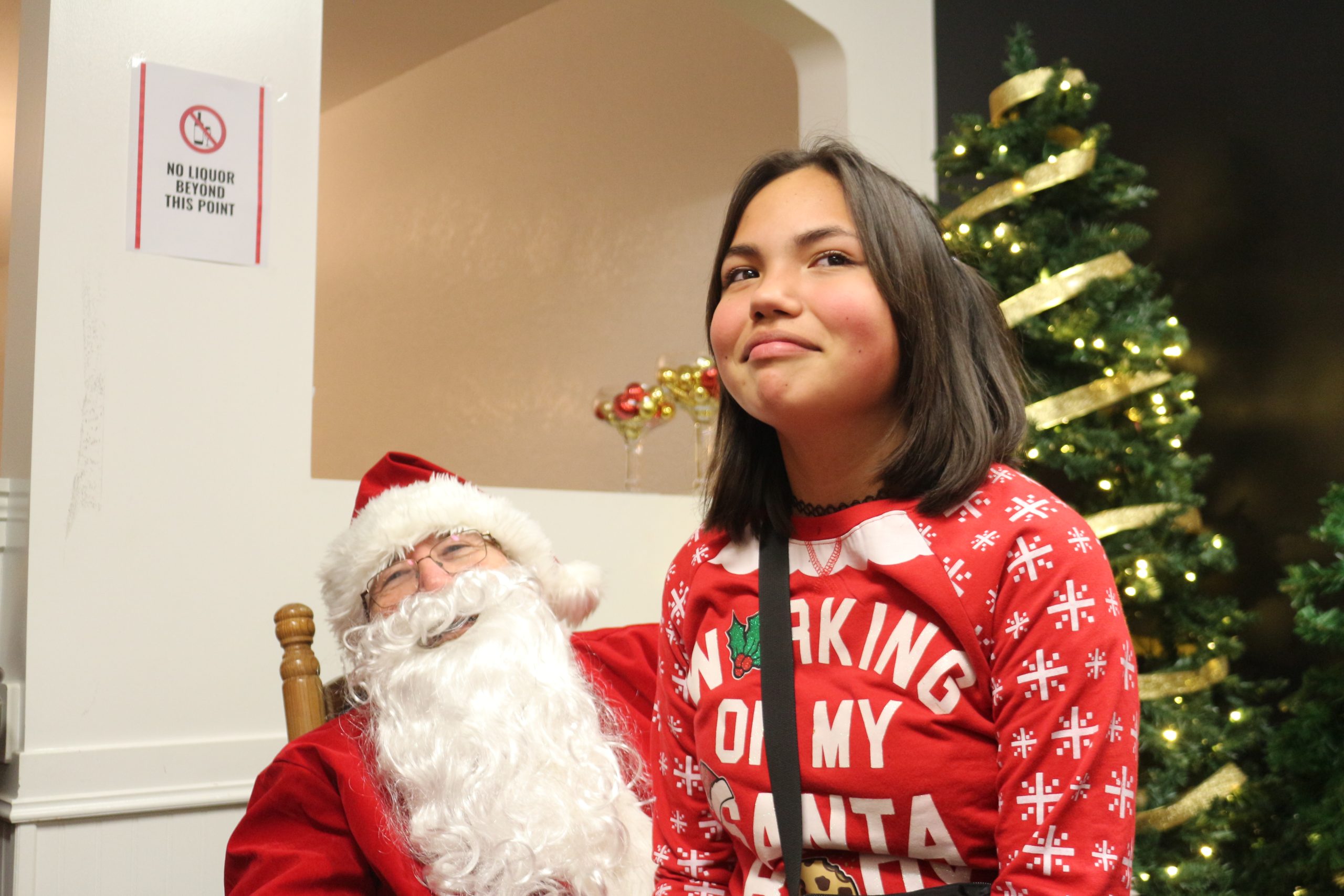
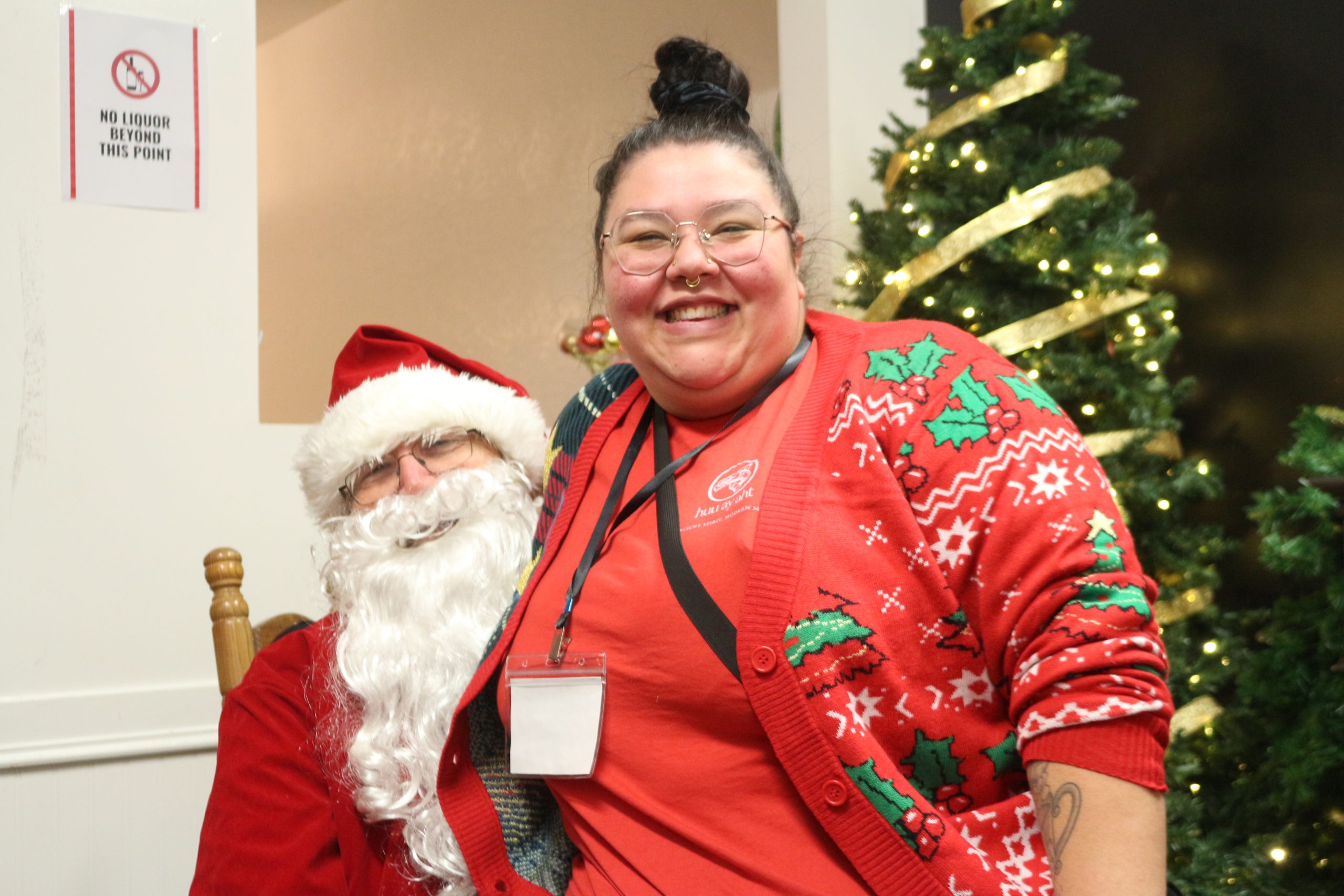
Huu-ay-aht First Nations citizens gathered at the Italian Hall in Port Alberni on Sunday, December 15, for a festive Holiday Dinner Gathering hosted by Ḥaw̓iiḥ. This was the first year that Ḥaw̓iiḥ hosted a Holiday Dinner and it was successful. The event was filled with holiday cheer, featuring the theme “ugly sweaters.”
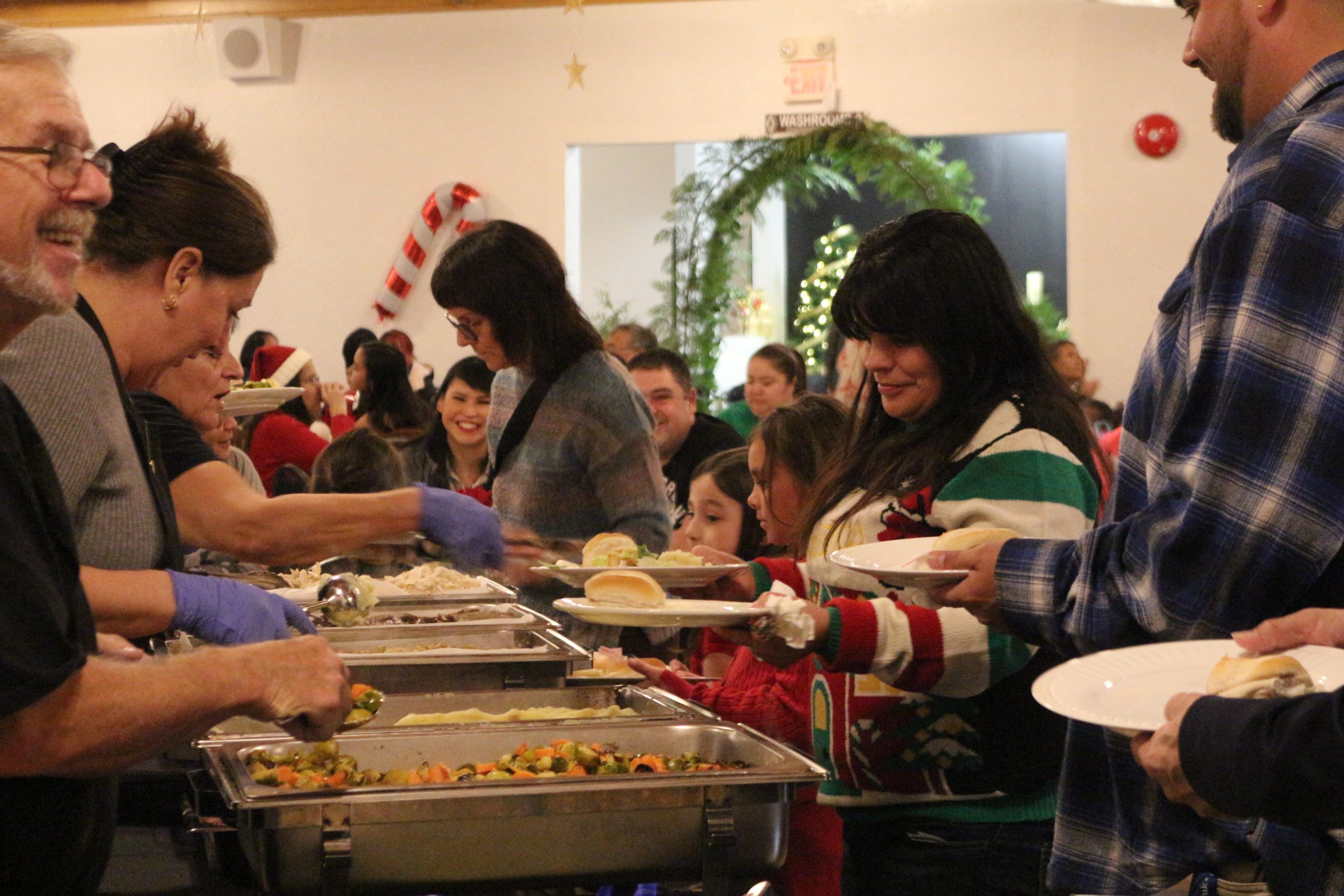
The evening kicked off at 4 p.m. with attendees exchanging greetings and excitement. Huu-ay-aht Cultural Support Worker Mel Edwards led the Opening Ceremony, setting the tone for the celebration. A traditional holiday dinner was served soon after, bringing the community together to enjoy delicious food and festive spirit.
The highlight of the evening was the Ugly Sweater Contest, where attendees were encouraged to showcase their best (or worst) holiday attire. Becki Nookemis took first place, Theresa Nookemus came second, and Rena Johnson finished third. Several door and cultural prizes were also given out, including an early bird prize, a drum, which was won by Harry Brossault.
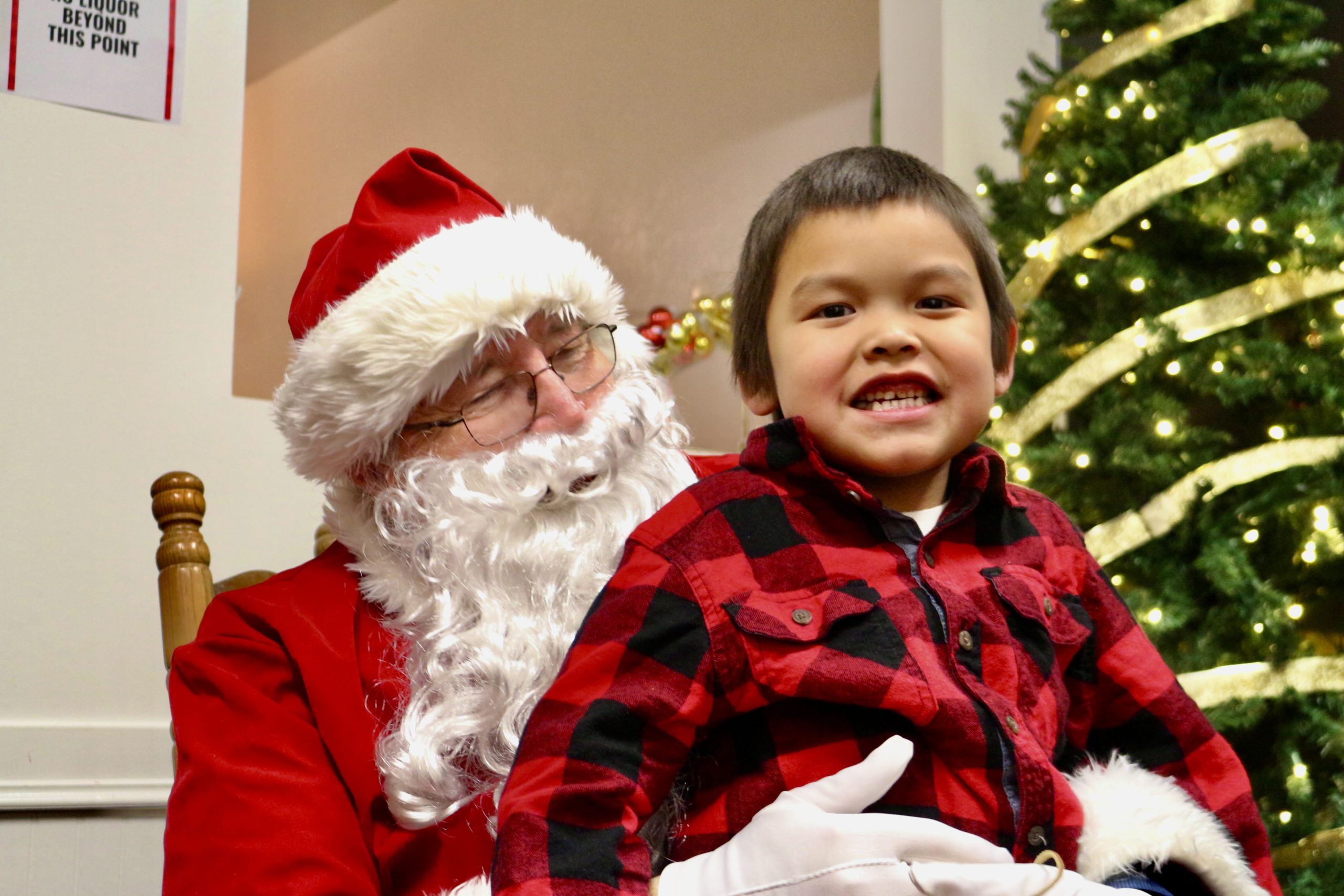
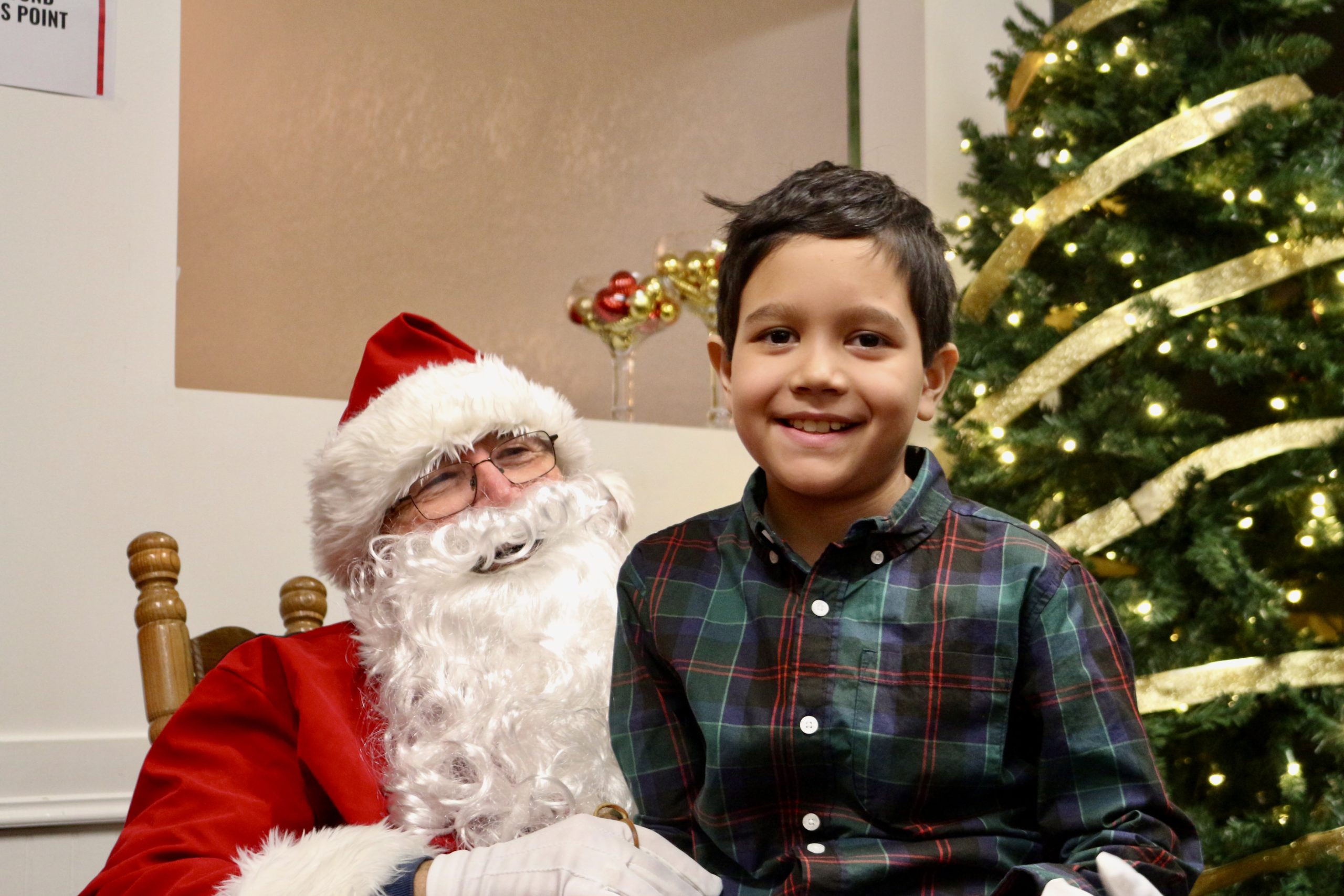
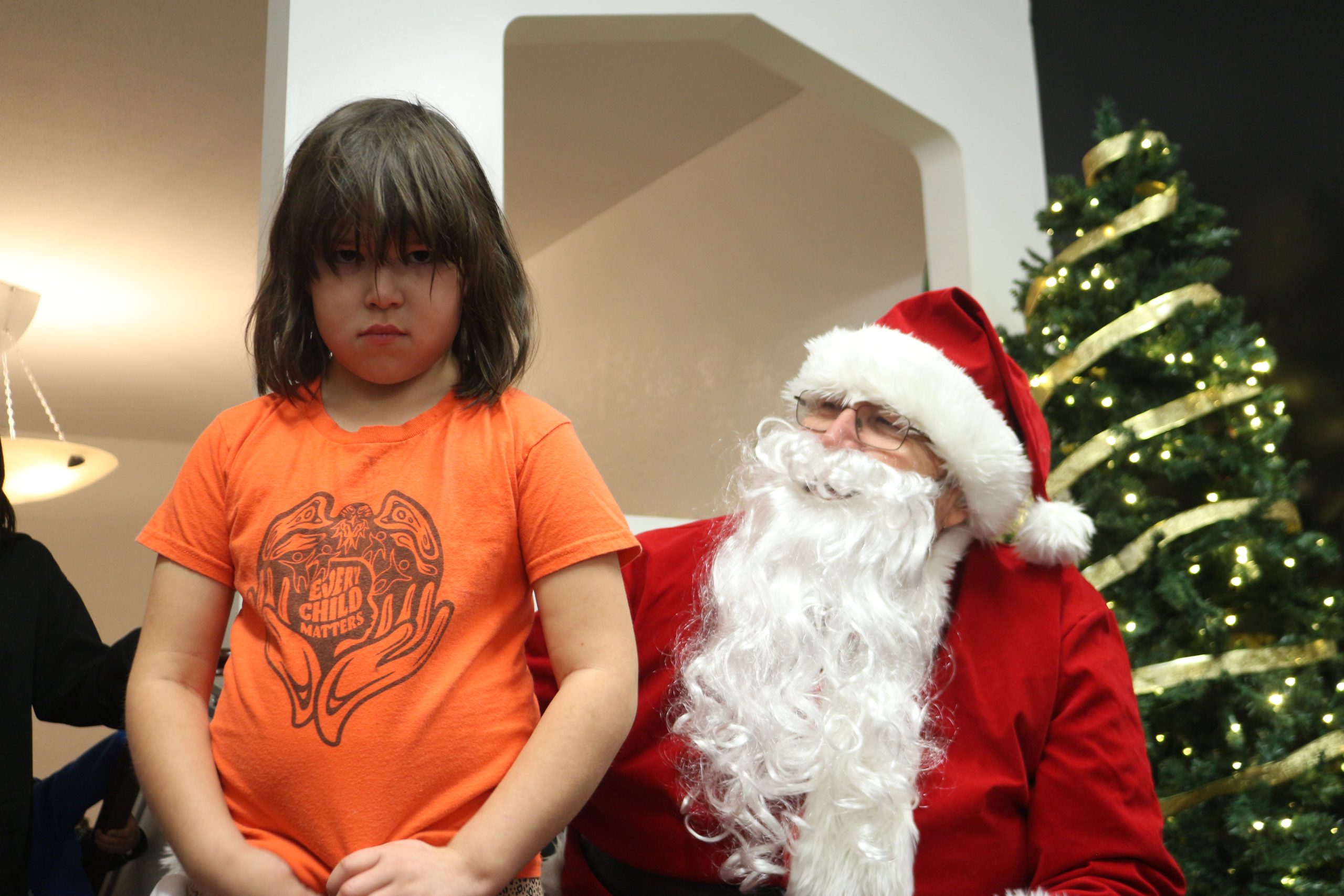
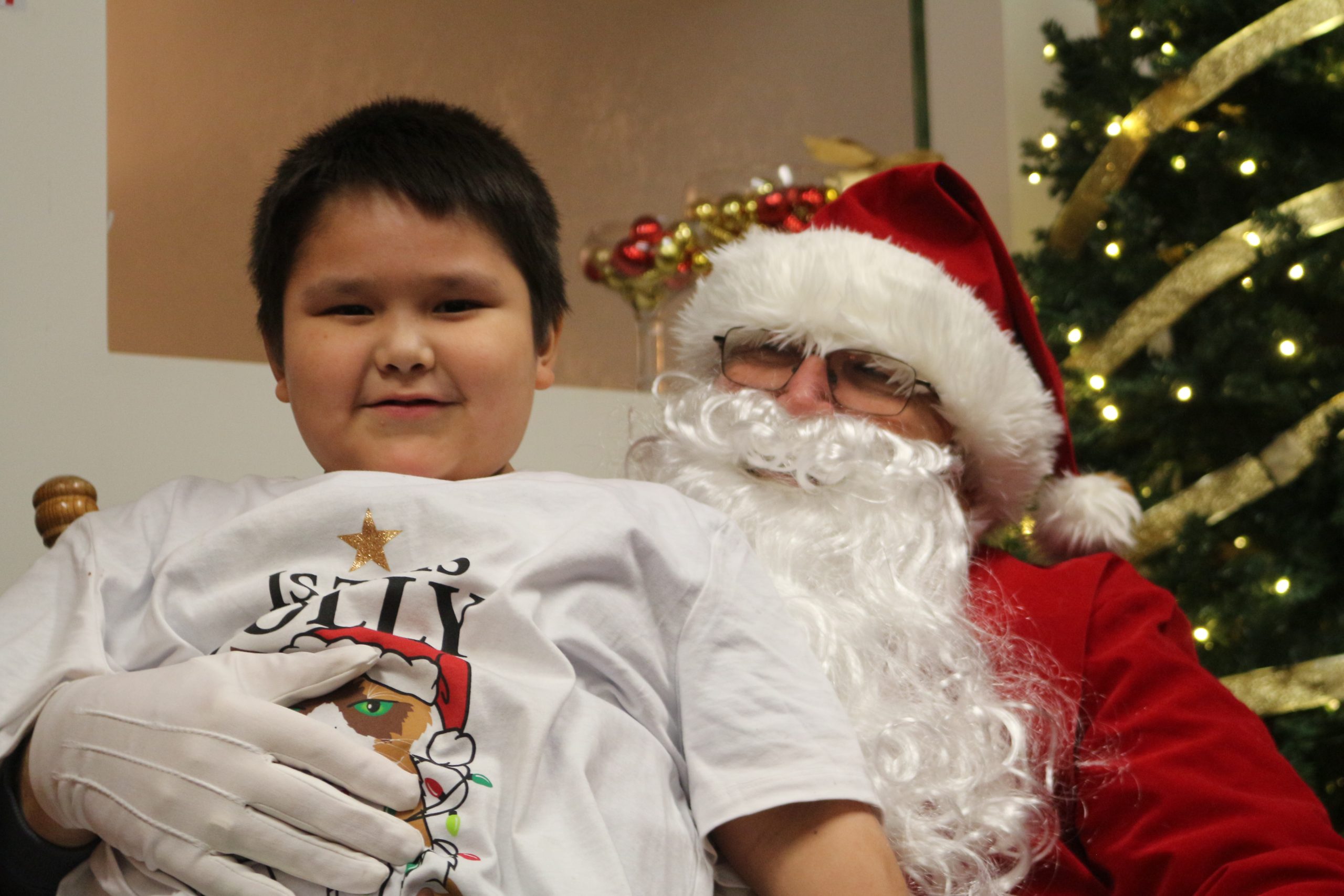
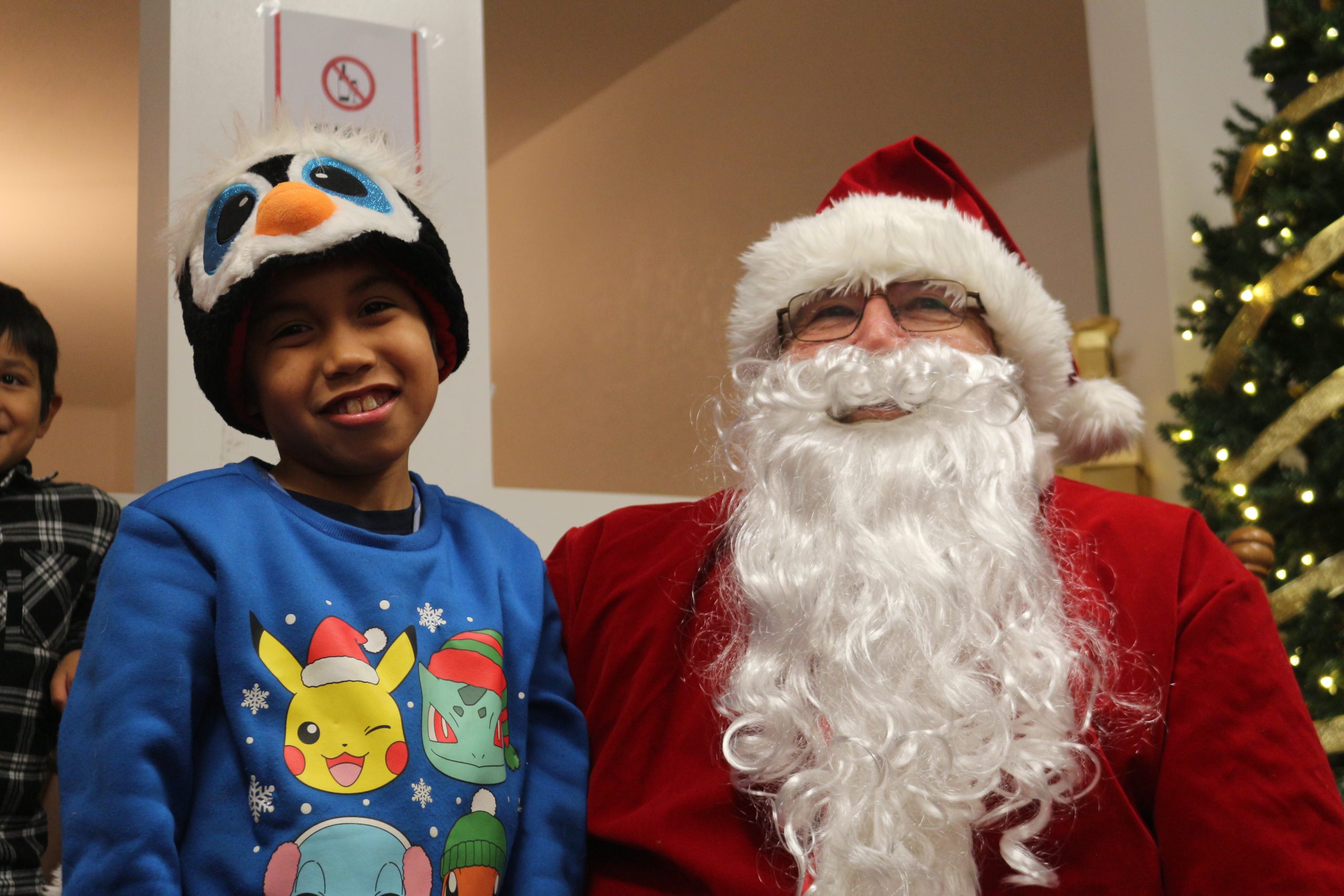
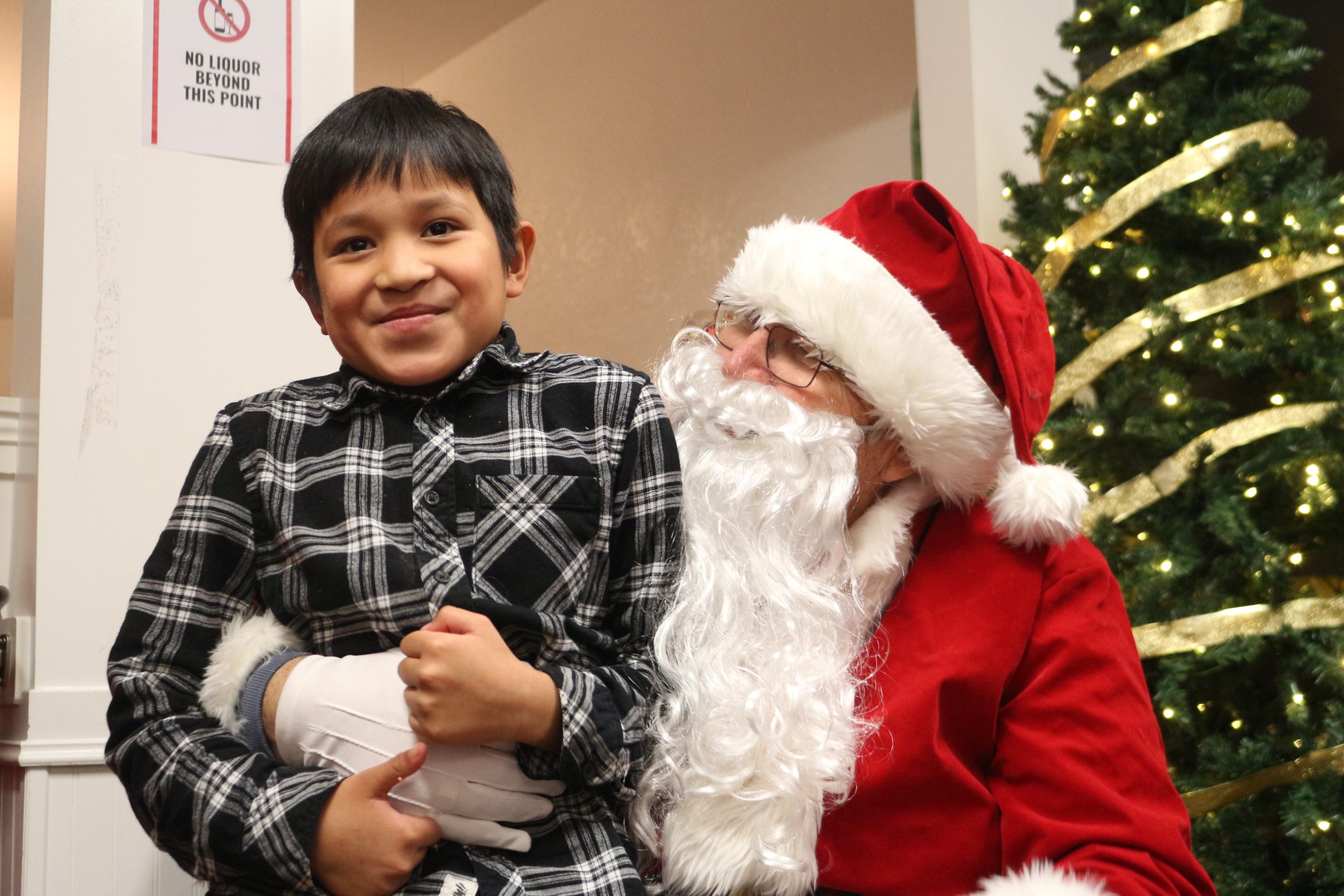
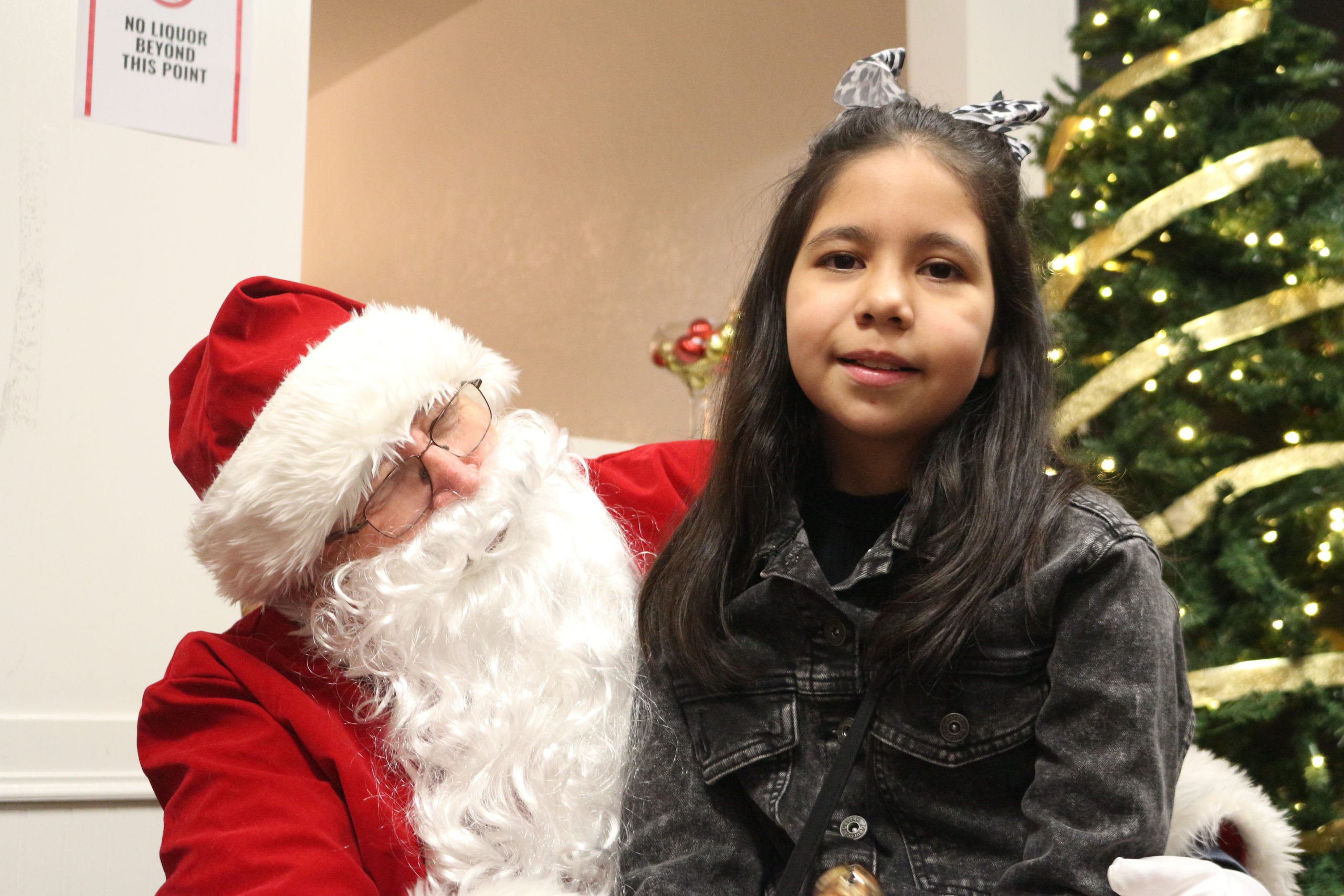
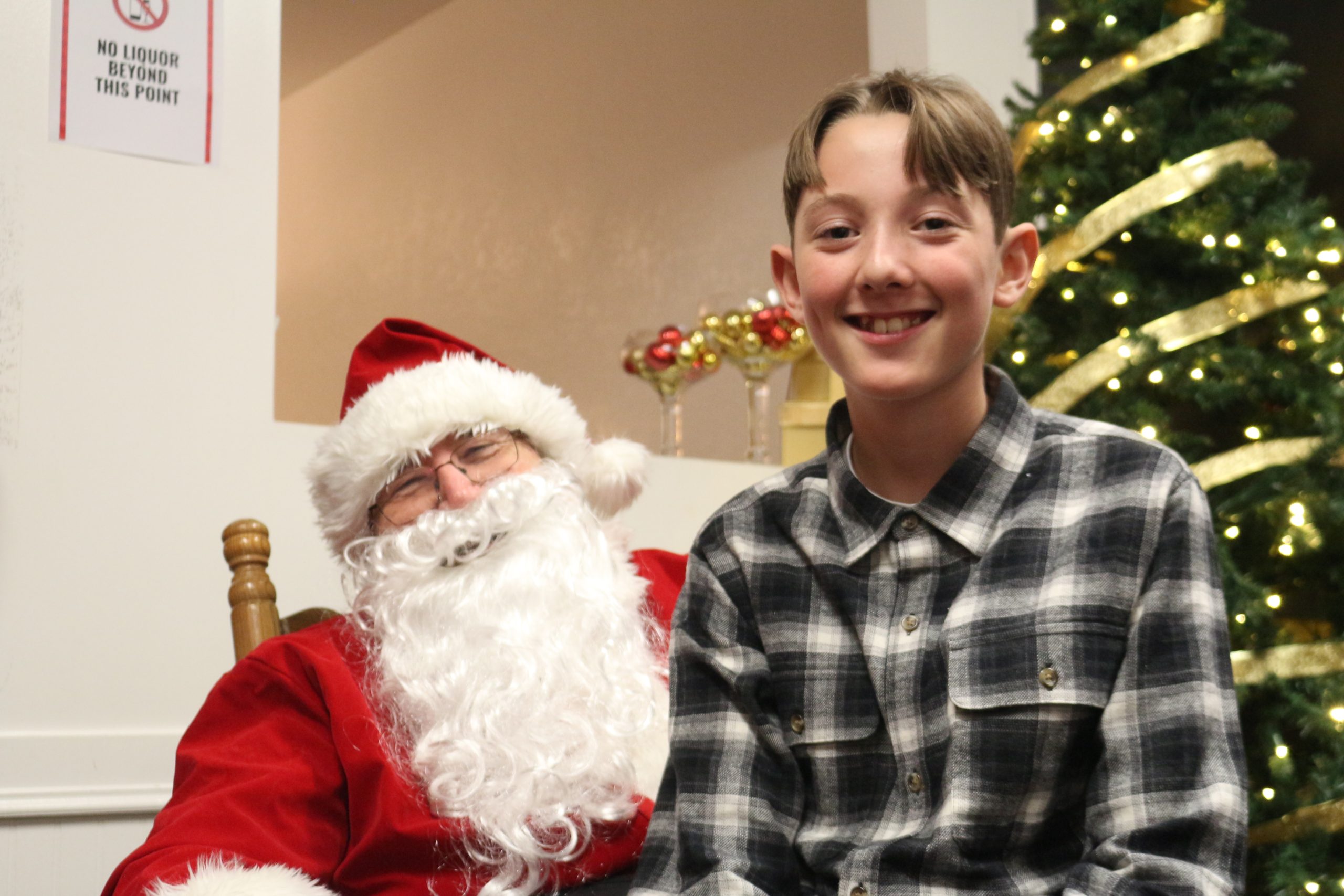
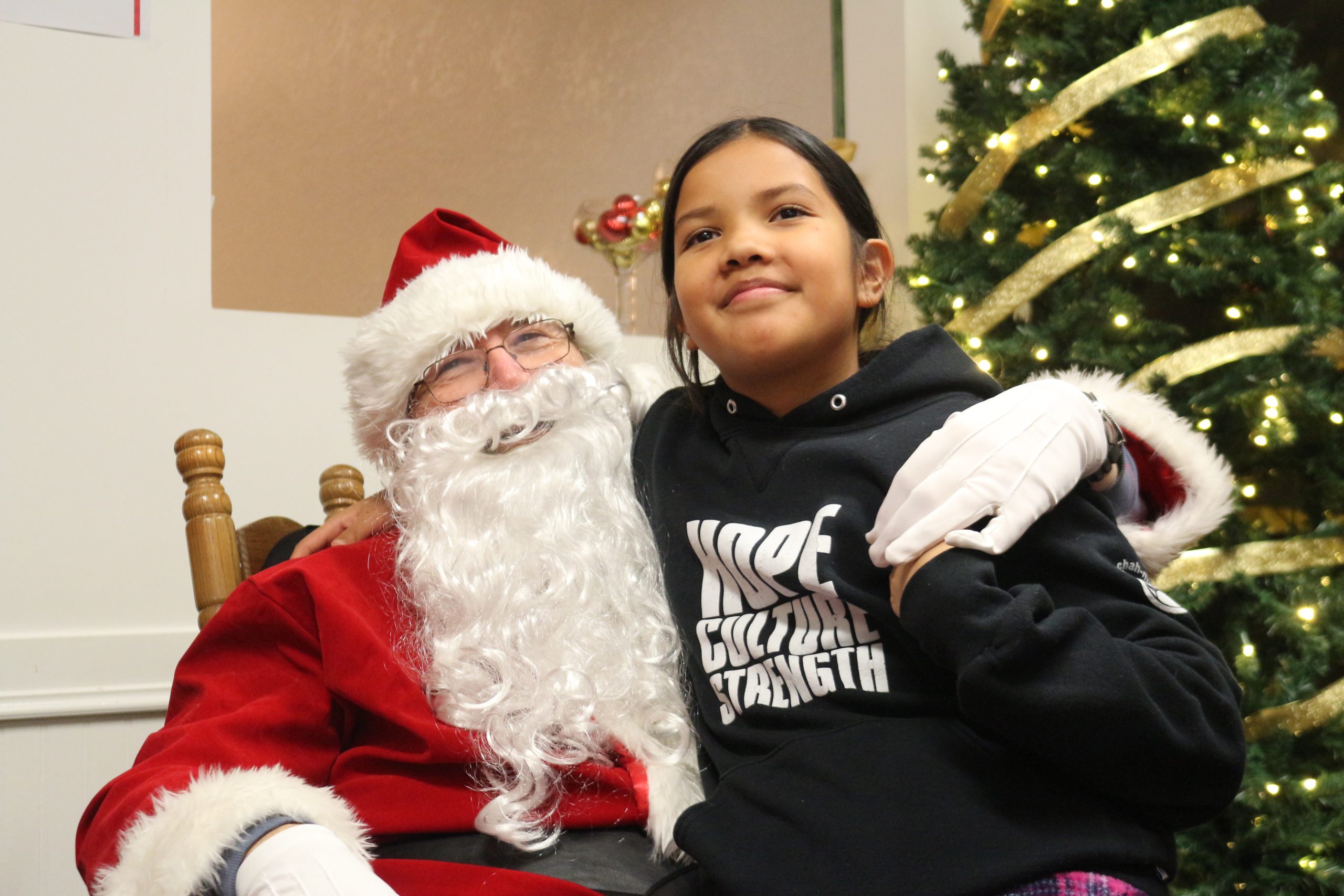
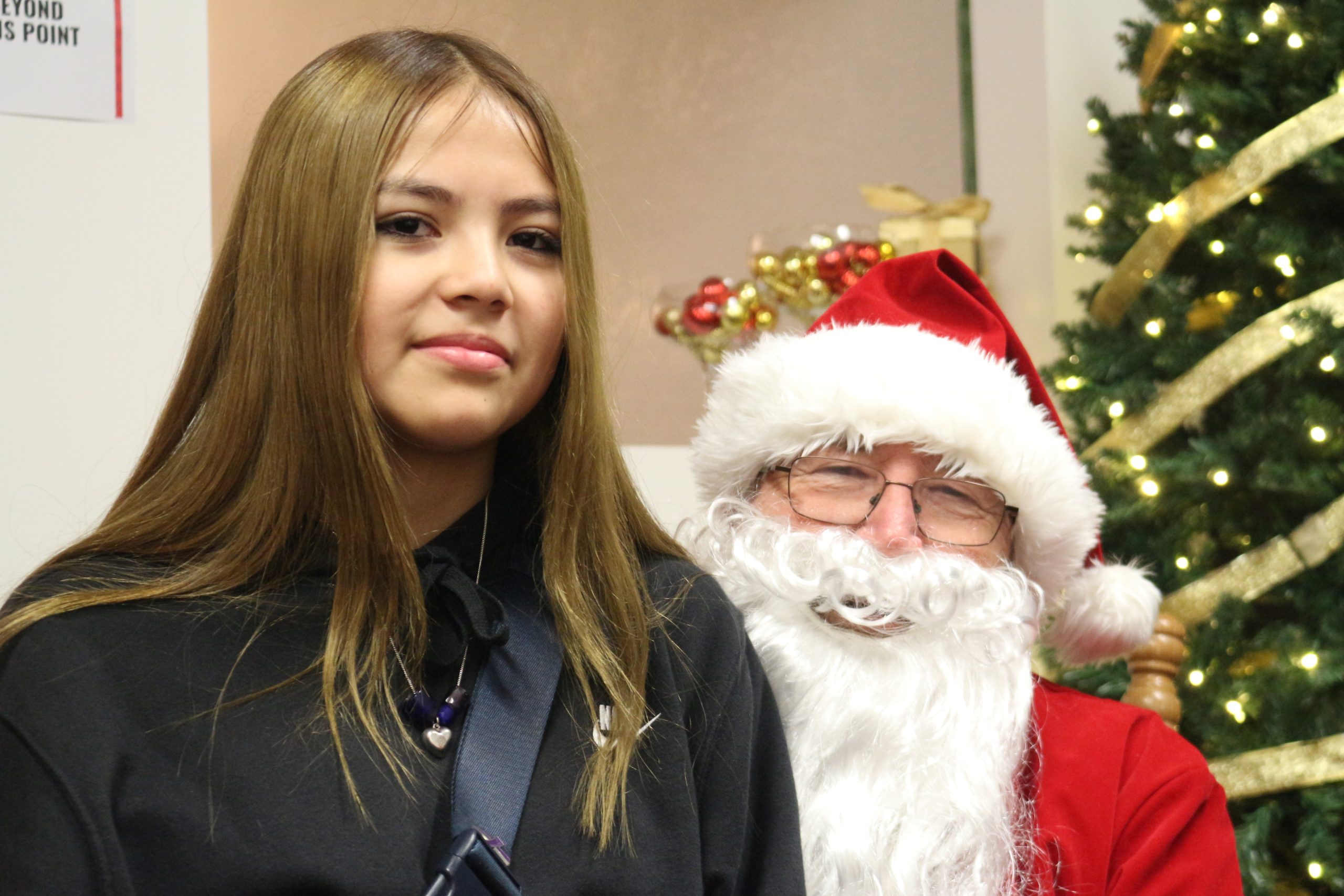
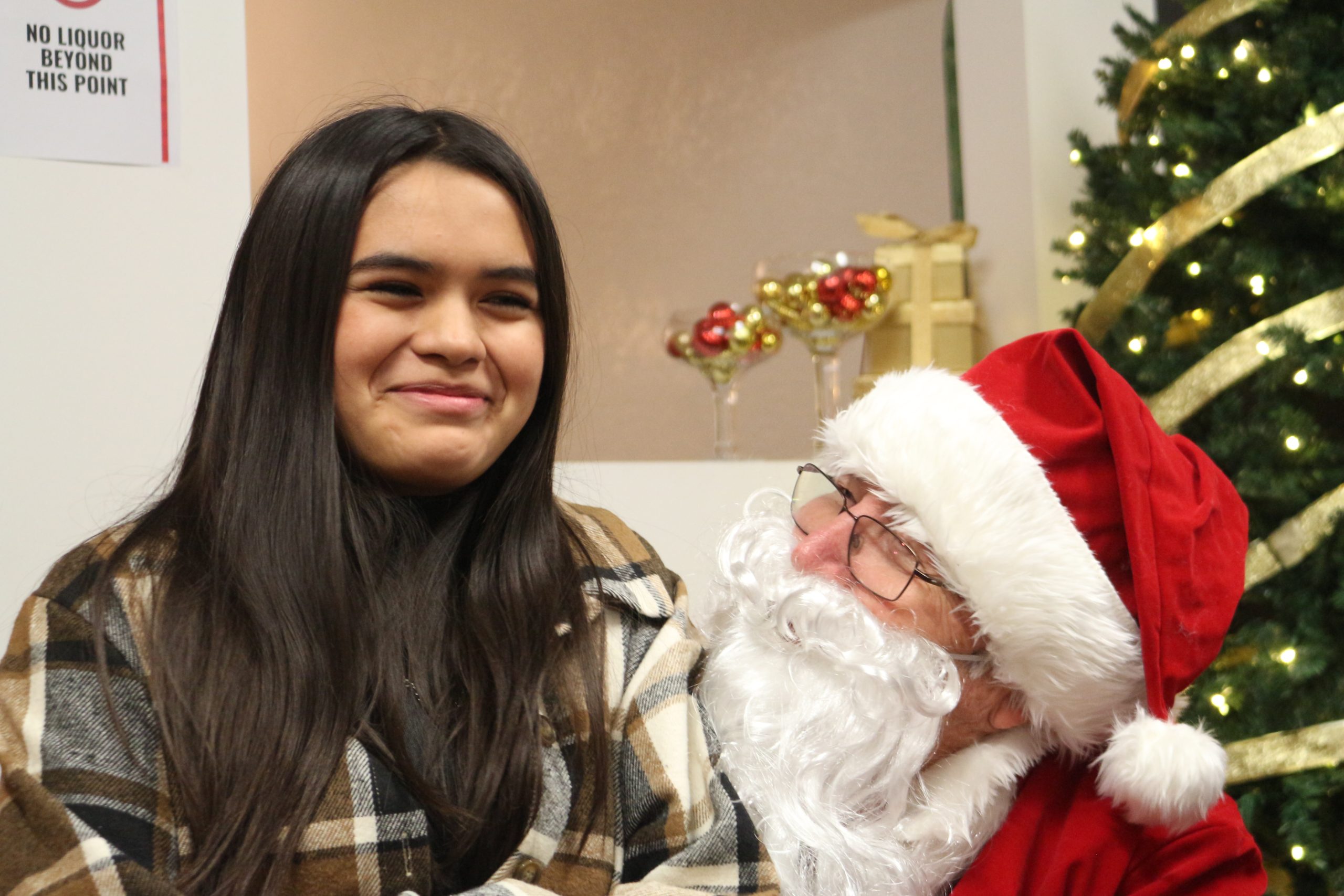
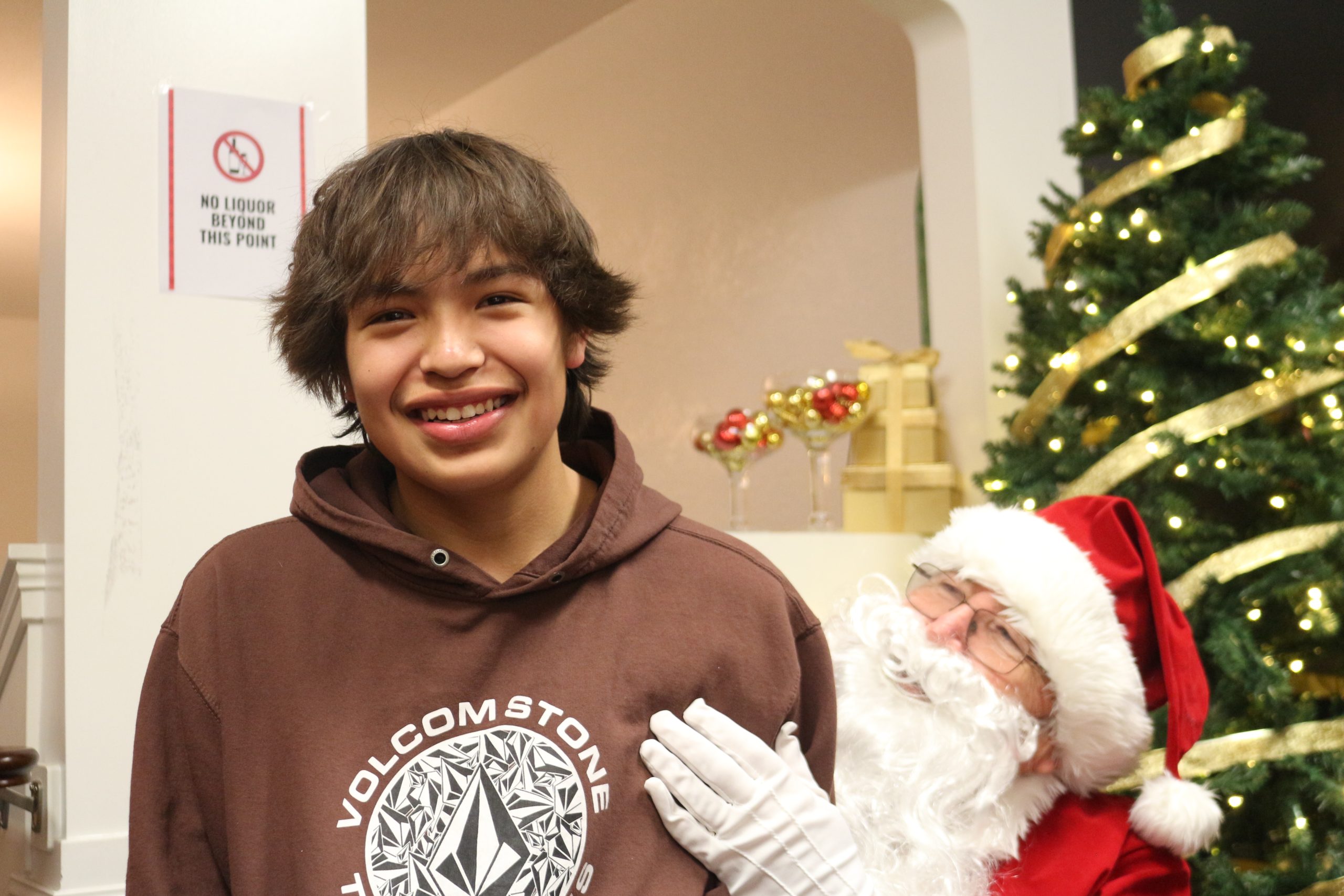
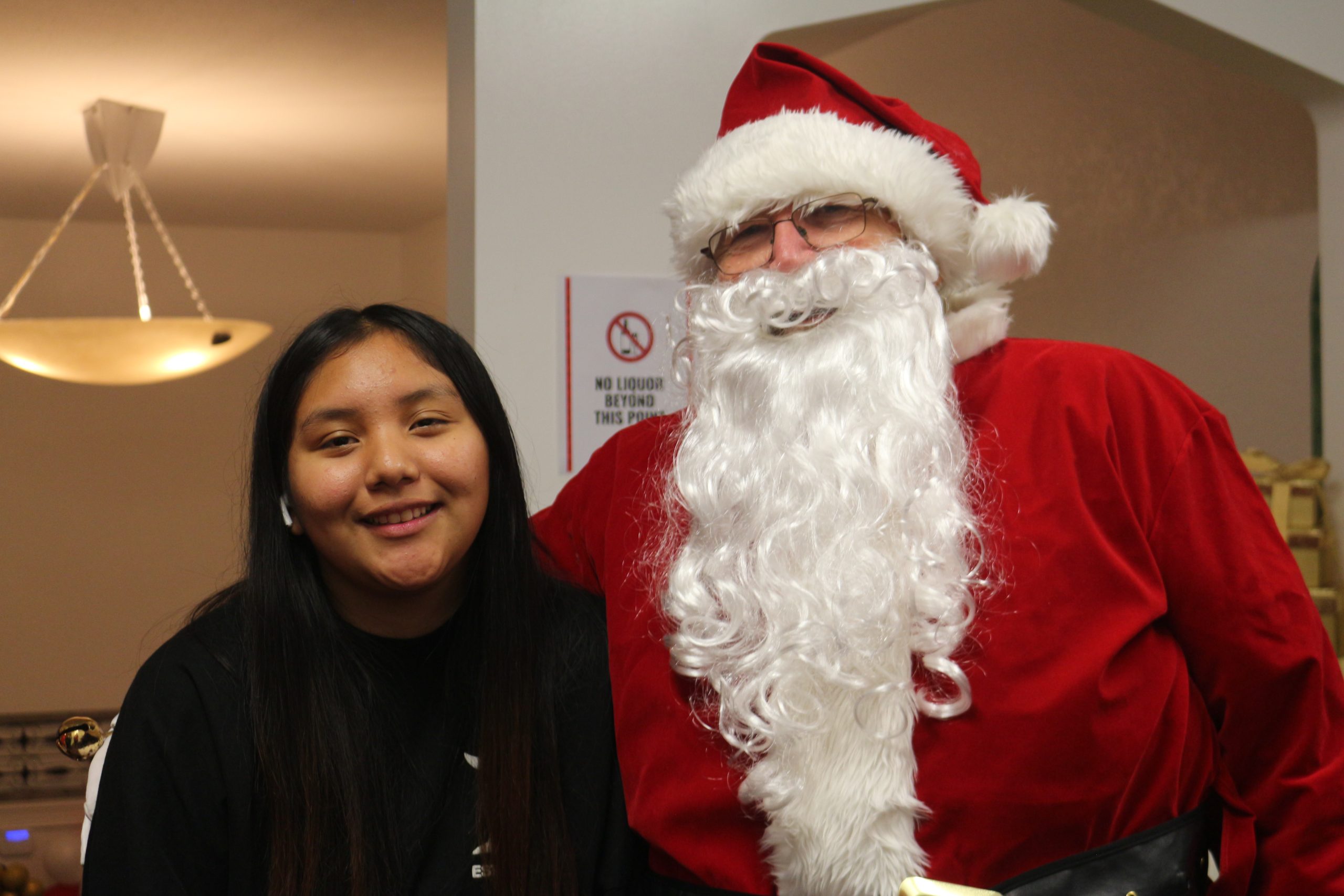
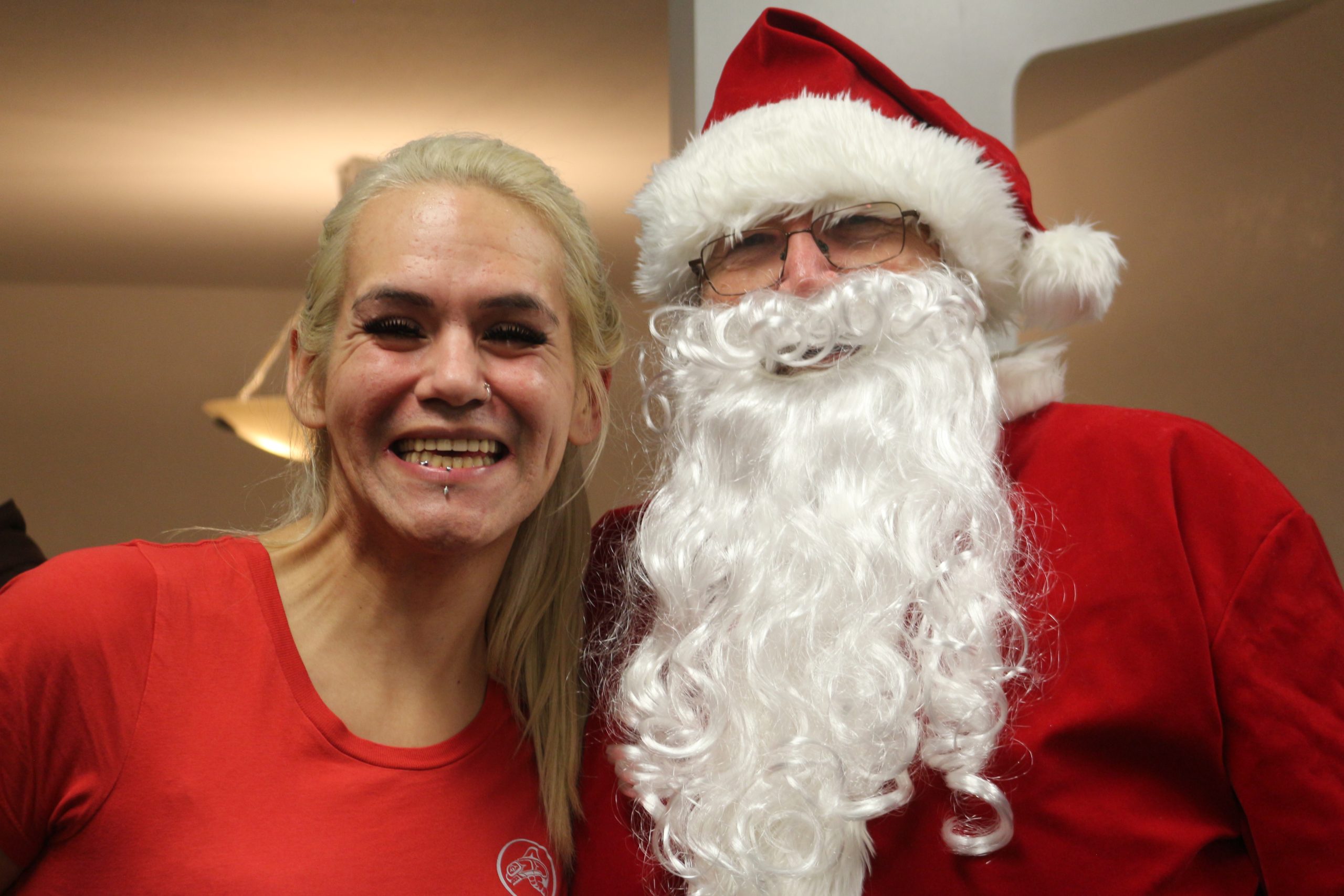
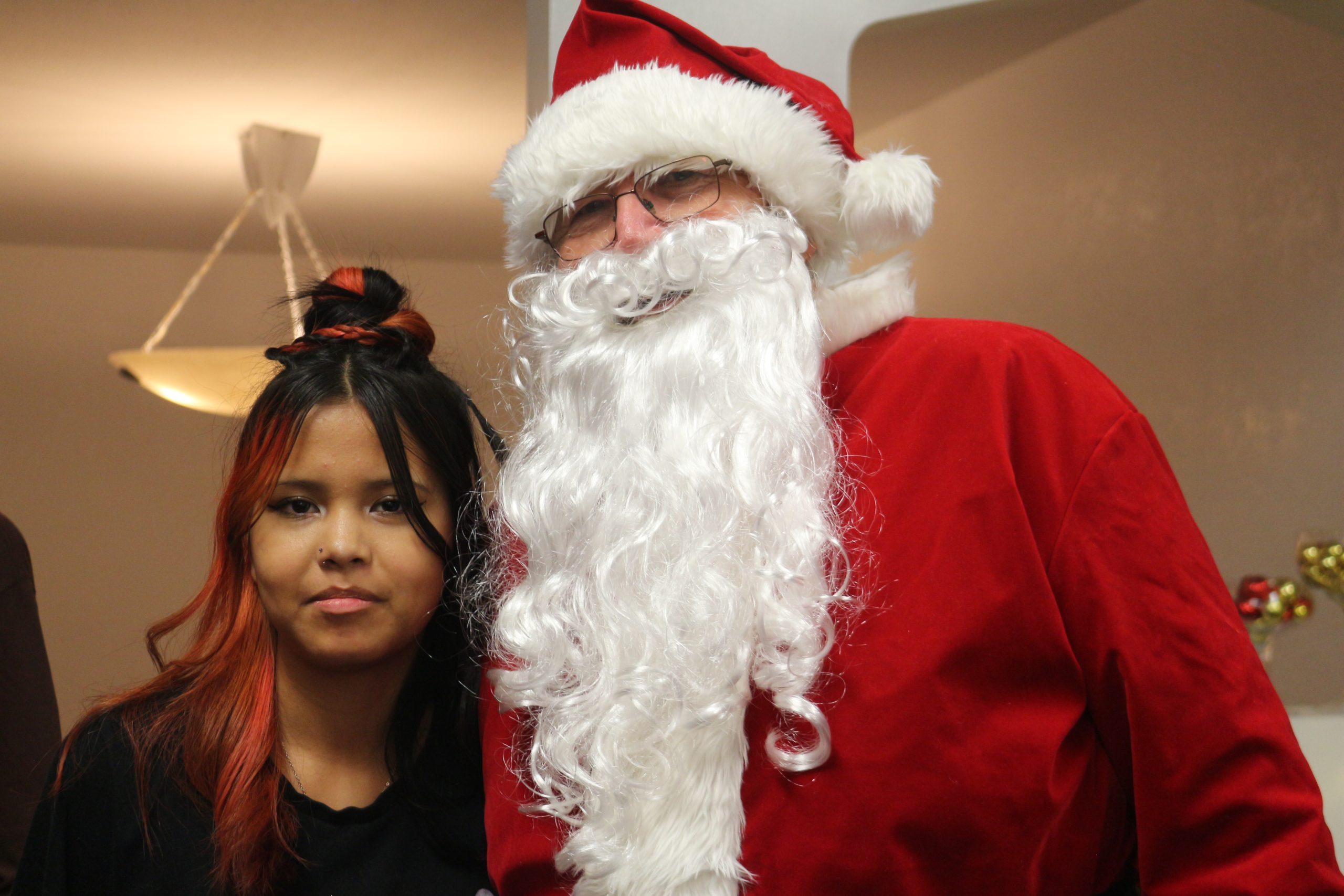
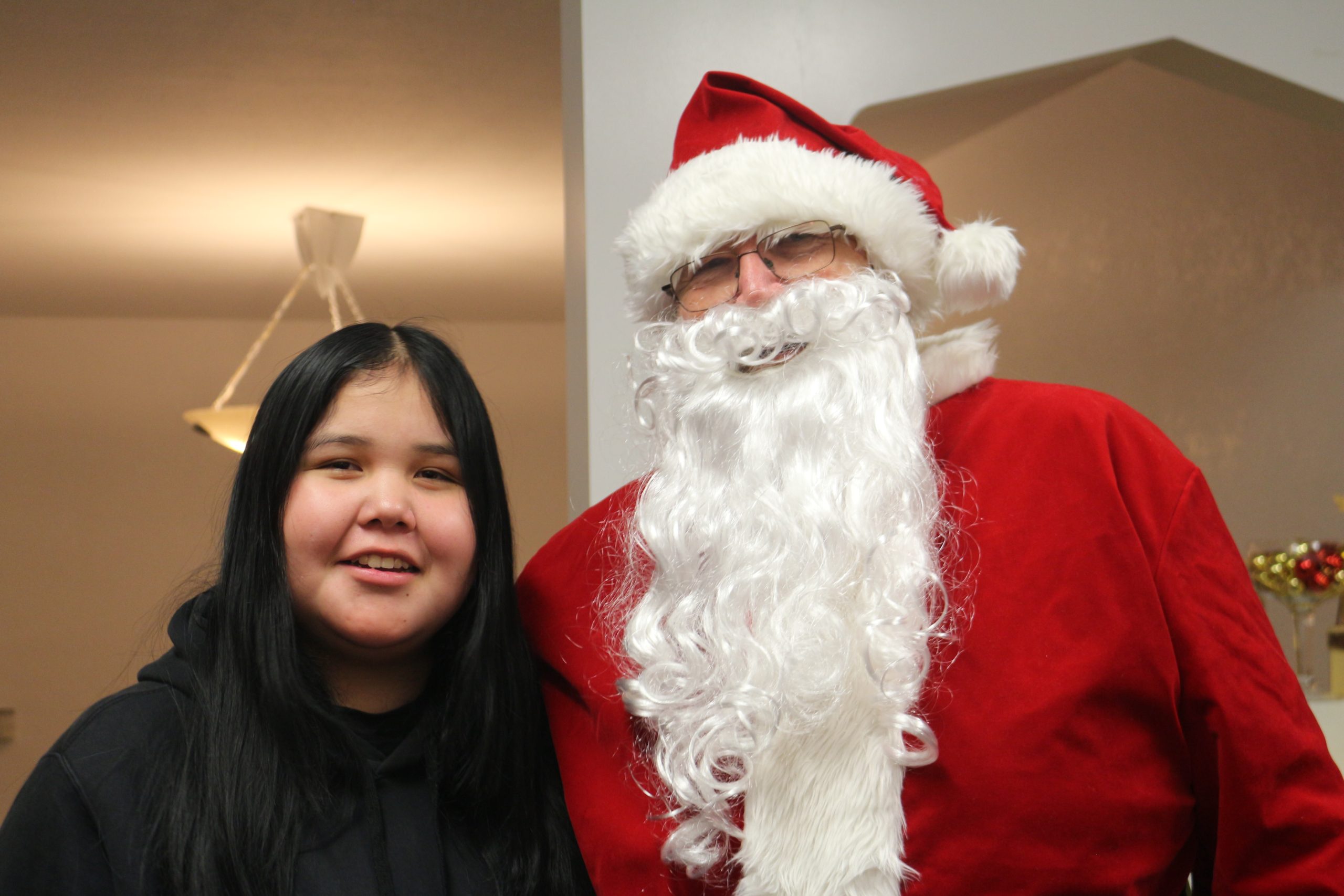
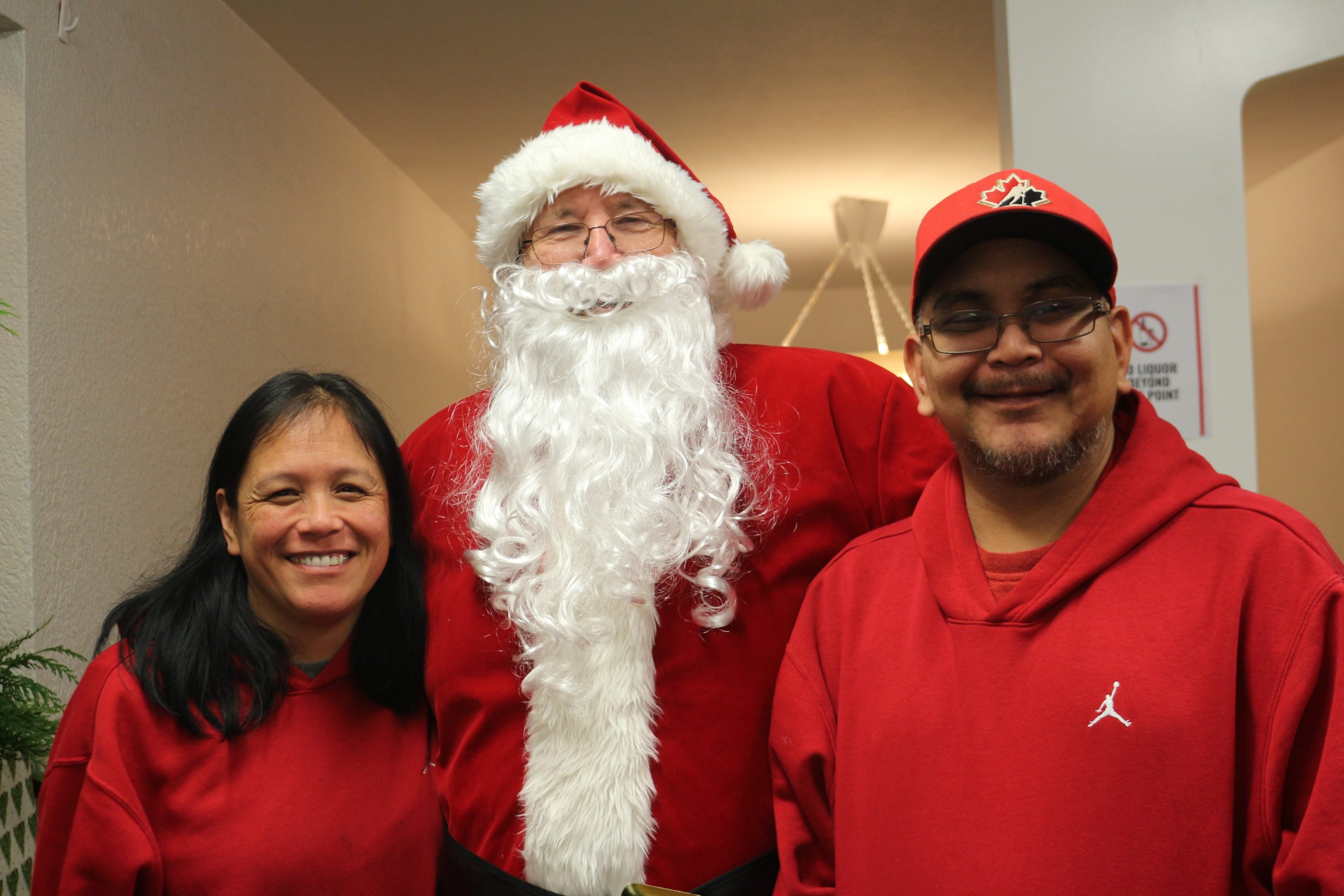
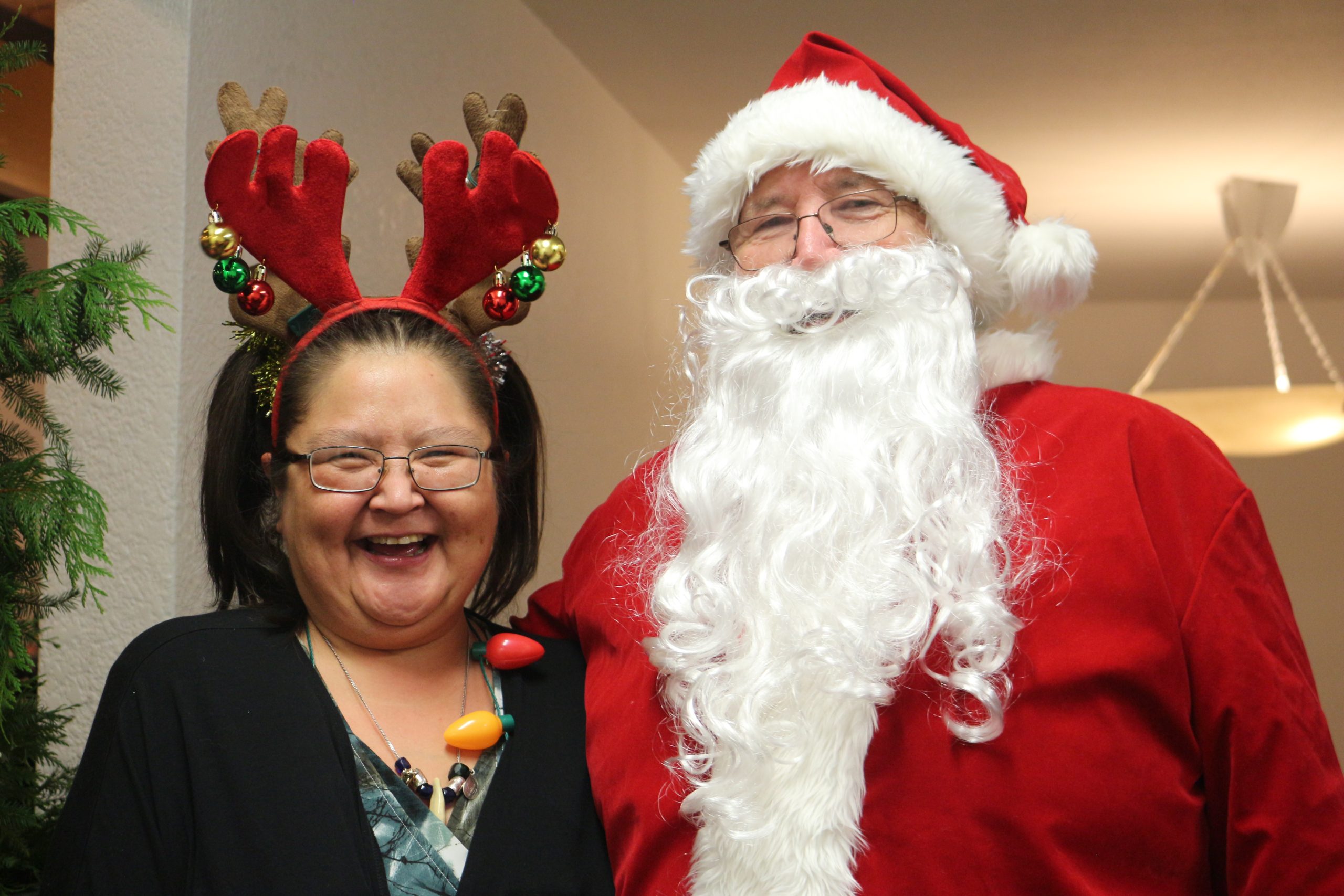
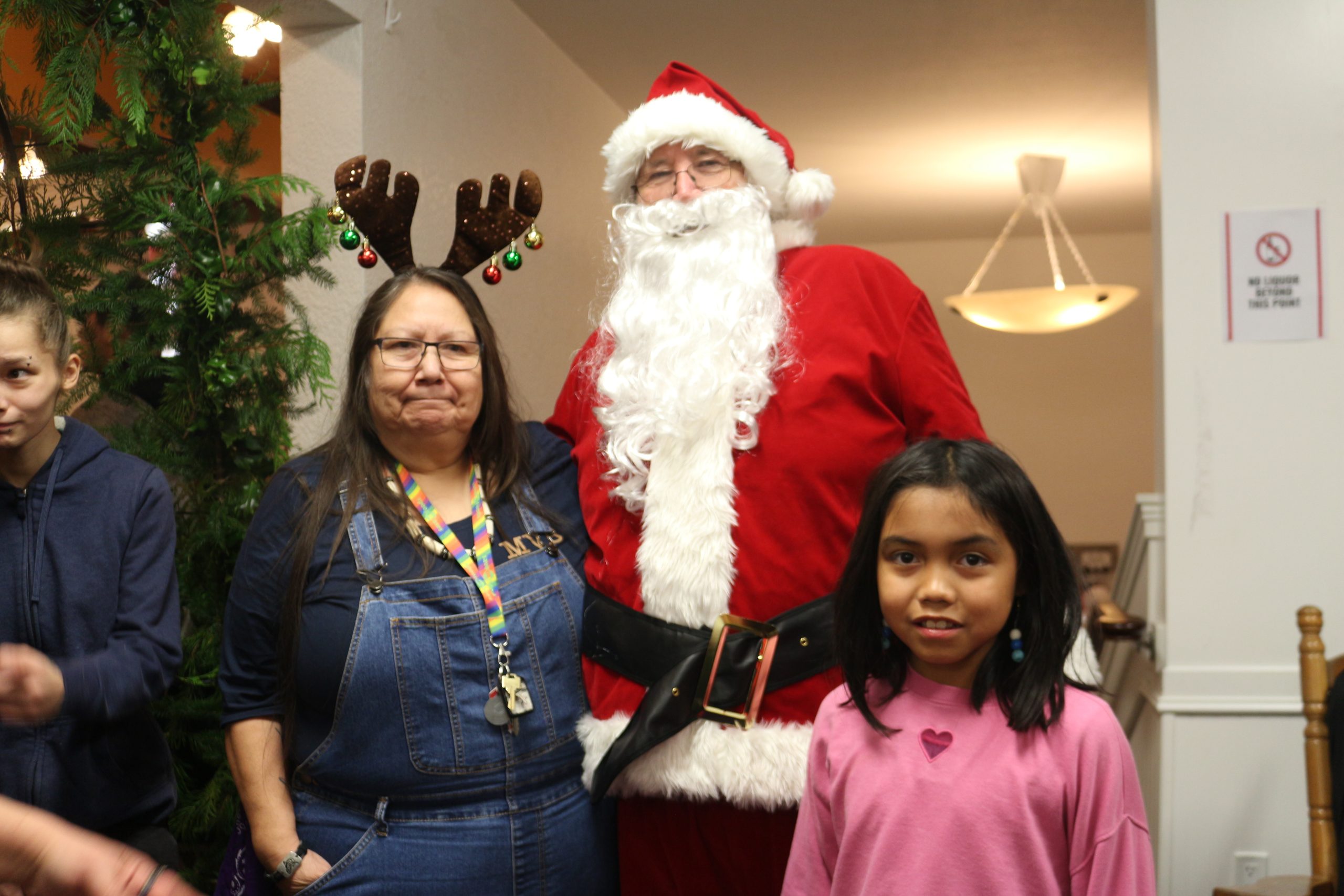
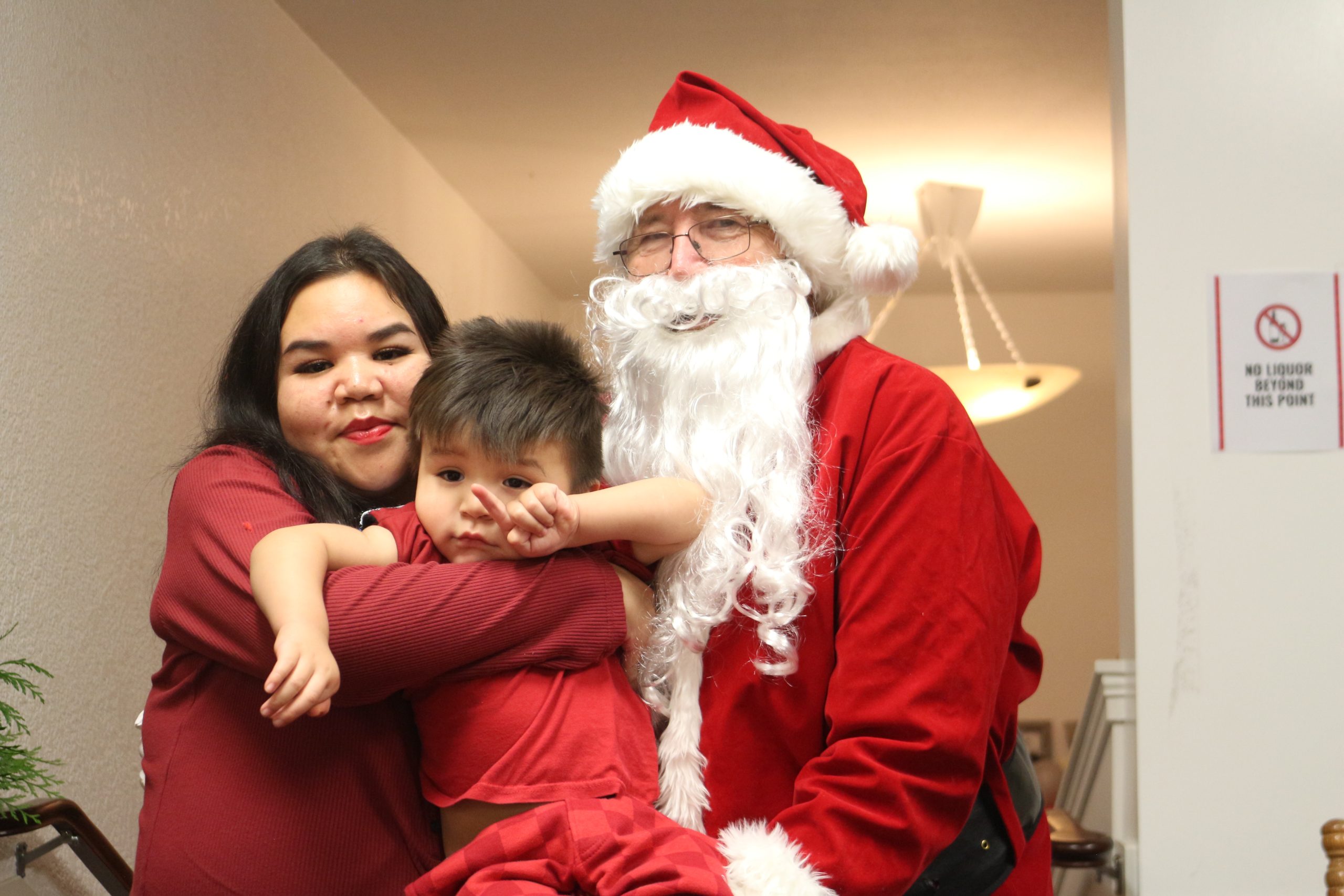
A special surprise visit from Santa Claus capped off the evening. Mr. Claus greeted nearly 80 children, ranging from infants to 18-year-olds, and each child received a gift, including a teddy bear. The Port Alberni Bulldogs Hockey Team and the Toy Run Association donated the teddy bears.
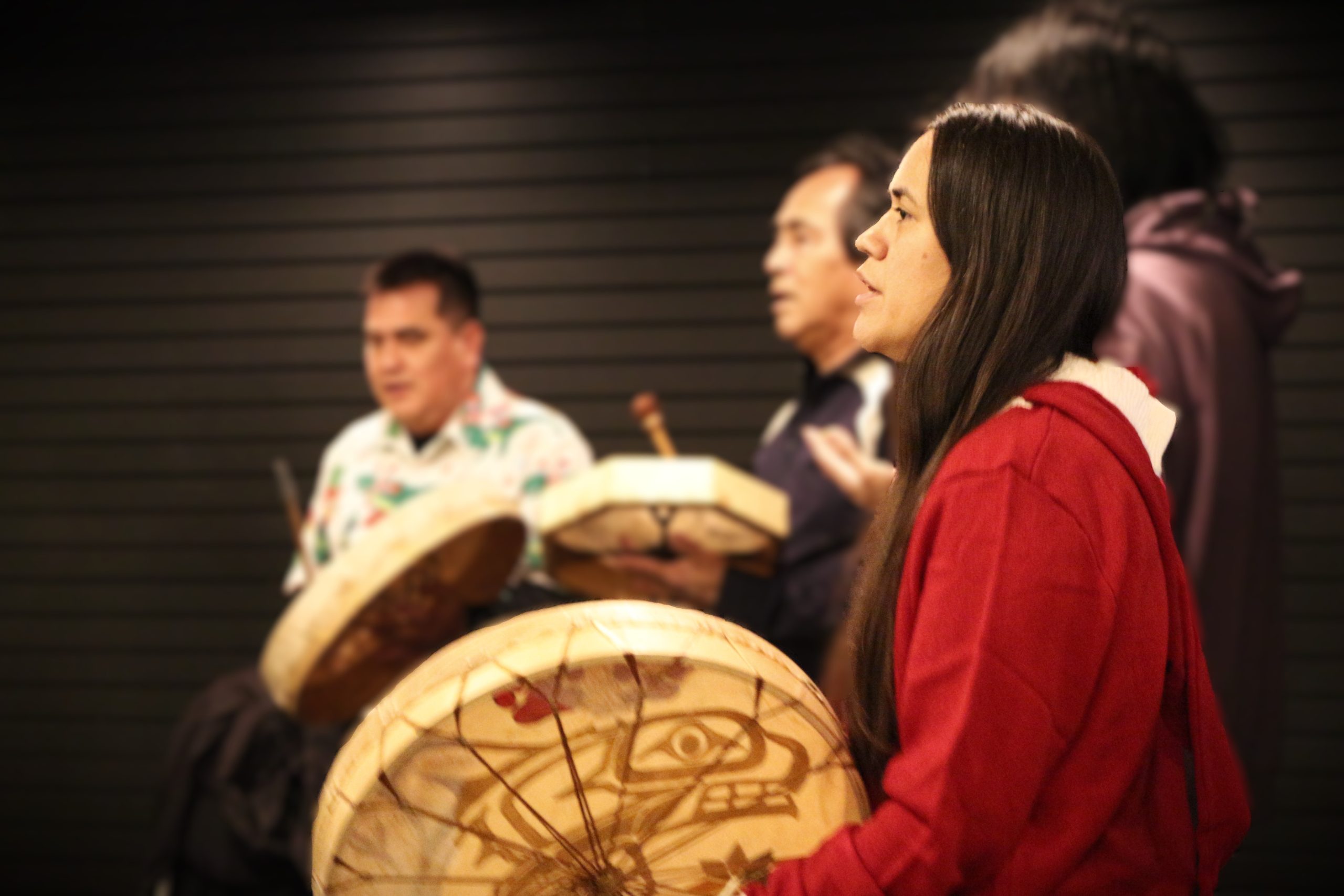
The event concluded with a Culture Night, where citizens participated in singing, dancing, and drumming, celebrating Huu-ay-aht traditions. The evening was a memorable and joyous occasion, bringing the community together for a holiday celebration filled with food, laughter, and culture.
Ḥaw̓iiḥ would like to thank the citizens who attended, Hinatinyis for serving as MC, and the planning committee who supported the organization of this event. Additionally, they wish everyone a happy and safe holiday season and a wonderful new year.
Join HoopLife and Huu-ay-aht First Nations in Anacla on Monday, August 26 and Tuesday, August 27, for a two-day Basketball Camp at the House of Huu-ay-aht. This camp is open to all Huu-ay-aht Citizens ages 7 – 18, and the ages will be broken into two groups: 13 and under and 18 and under. These two groups have different start and end times. Children and youth in the 13 and under group will be 9 A.M. to 12 P.M. and 18 and under will be 1 – 3 P.M.. Over the two days, participants will learn proper shooting form, defensive skills, advanced dribbling, and high-level scoring. For further information or questions, please get in touch with Kerry-Ann at kerry-ann.c@huuayaht.org or 250-723-0100.
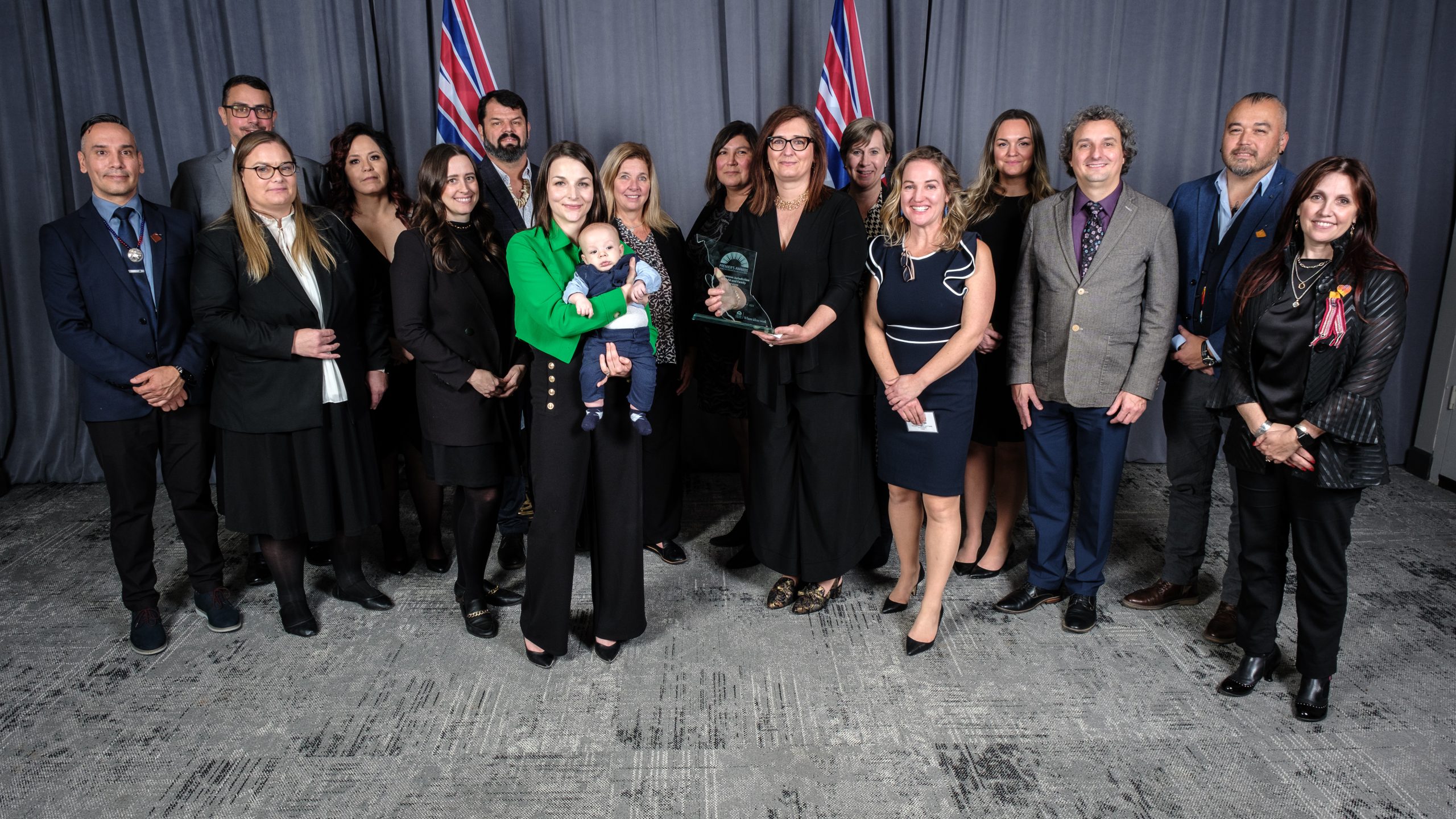
Executive Councillor’s Edward R. Johnson, ƛicitatḥ and Stephen Rayner, n̓aasquʔisʔatḥ receiving a Premier’s Award on behalf of Huu-ay-aht First Nations along side other partnering Nations (Photo provided by Wendy Norris).
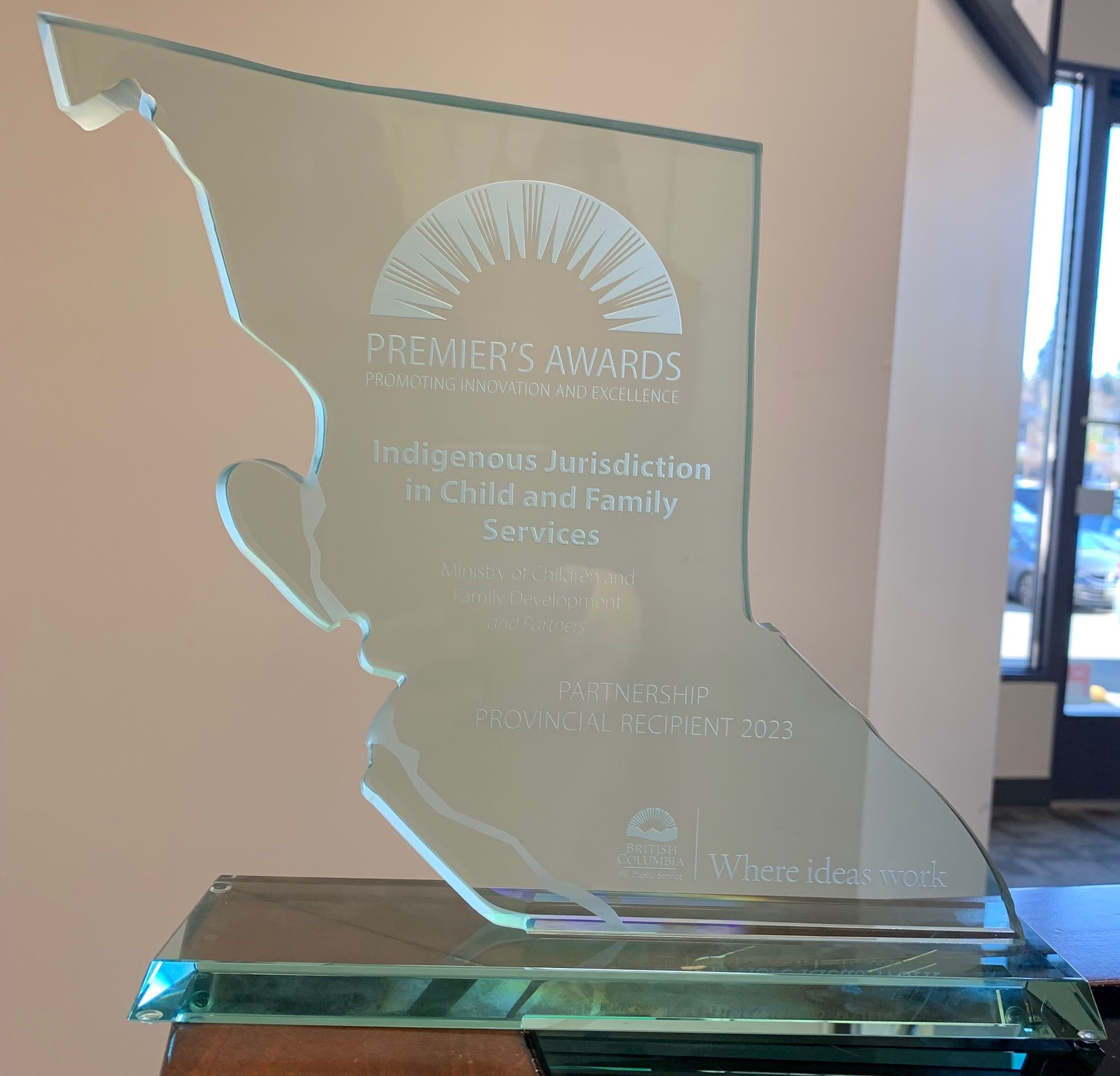
On November 21, 2023, Huu-ay-aht First Nations was awarded, alongside other Nations, a Premier’s Award for the work done on Bill 38.
The Premier’s Innovation and Excellence Awards are given annually to honour exceptional accomplishments and contributions in various areas.
Huu-ay-aht was awarded in the leadership category by Jennie Ireland, Executive Director of the Ministry of Child and Family Development. The Premier’s Awards celebrate British Columbia’s creativity, innovation, and dedication and the public service employees who make it possible.
In 2022, British Columbia, in collaboration with Indigenous partners, drafted Bill 38 (Indigenous Self-Government in Child and Family Services Amendment Act), resulting in historic changes to its provincial child and family service legislation.
Bill 38 amended the Adoption Act and the Child, Family and Community Service Act to align both acts with the United Nations Declaration on the Rights of Indigenous Peoples, aiming to recognize, uphold, and reduce barriers to Indigenous jurisdiction over Indigenous child and family services in B.C.
Notably, the 1996 passage of the Child Family and Community Service Act (CFCSA) in B.C. replaced the colonial-era Family and Child Service Act, which had been in force since 1980, marking significant amendments since then.
The goal of this bill was to rework jurisdiction and allowing Indigenous Nations to have say over child welfare in communities. It aimed to grant Huu-ay-aht and other Indigenous nations the authority to determine how families facing challenges would be supported and how Indigenous children would be cared for, with the goal of avoiding the removal of children from Indigenous families.
The Premier’s Innovation and Excellence Award presented to Huu-ay-aht First Nations (Photo by Amanda-Lee Cunningham).
“This is a historical event for Huu-ay-aht First Nations and all First Nations involved” says Councillor Edward R. Johnson “This collaboration with the Province, brings us one step closer to creating change for future generations”.
Councillor Edward R. Johnson explains that with the collaborative work on Bill 38, it is working towards our main priority of keeping Huu-ay-aht and all Indigenous Children healthy, safe, and connected to their family, home, traditions, and culture.
The Indigenous Child Welfare system is a work in progress, Councillor Edward R. Johnson explained he was honoured to participate in the process of Bill 38, but also looks forward to contributing on future amendments that recognize and uphold inherent Indigenous jurisdiction over Child and Family Services in British Columbia.