News Categories: Government

  • Councillor Charlie Clappis

    Councillor Charlie Clappis

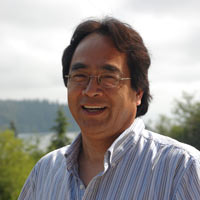
    CharlieClappisCharlie Clappis is a Huu-ay-aht First Nations citizen who lives in the Anacla Village.  Charlie is a Red Seal carpenter who graduated from Camoson College in 2004 from the Victoria campus. While in Victoria, Charlie worked on many different projects that eventually lead him back to Anacla. With these skills and as a member of the community, he was instrumental in the construction of the Anacla Government office.

    Charlie was elected to the Huu-ay-aht First Nation Council in 2011 and currently holds the Infrastructure and Lands and Natural Resources portfolios and sits as an alternate on the Fisheries, Finance and Citizen Development Committees. Charlie enjoys being active in the community and has enjoyed becoming a father to a beautiful baby girl in the last year.

  • Councillor Jack Cook

    Councillor Jack Cook

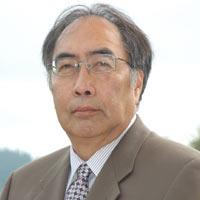
    JackCookExecutive Councillor member Jack Cook grew up in Port Alberni. He has resided in Bamfield, Port Alberni, Nanaimo, Victoria and Vancouver.


    His experience spans an extensive career in employment outreach and Human Resources Programs for Aboriginal and non-Aboriginal People. He has worked as a program coordinator at the Nuu-chah-nulth Tribal Council/NETB (10 years) setting up, delivering and reviewing the Employment and Training Programs for First Nation communities and organizations as a result of the Aboriginal Human Resource Development Agreement (AHRDA) between the Service Canada and North Island/Nuu-chah-nulth Tribal Council Aboriginal Management Society (NI/NTCAMS).


    While employed with the Canada Employment Insurance Commission (C.E.I.C) as a project officer for about 14 years, he did consultation, assessment, negotiation and promotion of employment programs within local government and community organizations. He was also required to do site visits, ensure effectiveness, measure impact, give recommendations for programs, negotiate on proposals for funding, as well as make sure that legal requirements were satisfied.


    He was the manager of the Huu-ay-aht First Nations band office (Ohiaht) in Bamfield for five months (1993-1994). He has been involved in the drafting of Emergency Preparedness Plans. He has done research, reviewed, developed and drafted education policies and procedures for K to 12 and Post-Secondary Education, Forestry, Terms of Reference for Huu-ay-aht Economic Development, Finance and Treaty Implementation Committees. Elected as a member of the Huu-ay-aht Executive Council in June 2011, his portfolios include: Chair of Nananiiqsu Grandparents society, Finance committee, alternate for Co-operative Management with Parks Canada, Infrastructure committee and Treaty Implementation, Maa-nulth Director.


    Jack has taken training in building construction and cooking. Travelling for both business and pleasure is one of his passions. He has been to Japan, Spain, Portugal and the USA. He is also active in sports and as an assistant coach.


    He has been married to Deborah Cook for 42 years and has two daughters, one son and four grandchildren.

  • Chief Councillor Jeff Cook

    Chief Councillor Jeff Cook

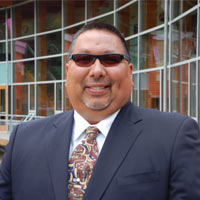
    JeffCookChief Councillor Jeff Cook grew up in the Bamfield, Kildonan and Sarita areas of Barkley Sound. He moved back to Anacla from 1977 to 1986. Anacla is on the west coast of Vancouver Island.

    He is a product of the Port Alberni Indian Residential School, which he attended for 13 years.  After graduating from high school in 1969, he worked in the forest industry on the west coast for 40 years. He retired four years ago, in 2010.

    The Chief Councillor is the second-ranked Ḥaw̓ił (hereditary chief) of the Huu-ay-aht First Nations. Traditional culture plays an important part of his family life, and the Chief Councillor tries to lead by example by living a positive and healthy lifestyle and by contributing to his community to the best of his ability.

    The Chief Councillor has a long history of serving his community. During the years 1981 to 1997, he served on Council for a total of 12 years. In recent years, he has been a valued member of the committees assisting to draft the Huu-ay-aht legislation for self-government, and he served on the Constitution, Governance and Lands Committees.

    In June 2011, Huu-ay-aht First Nations held their first elections as a self-governing First Nation, and Jeff Cook was elected to a four-year term as Chief Councillor. With Chief Councillor Cook leading the way, Huu-ay-aht First Nations is beginning a period of rapid and exciting change as the treaty is implemented and the new laws and legislation are put into practice.

  • Councillor Tom Happynook

    Councillor Tom Happynook

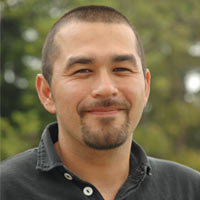
    TomHappynook1

    Tom Mexsis Happynook is the head Hereditary Whaling Chief of the Huu-ay-aht First Nations, which is a tribe within the Nuu-chah-nulth Tribal Group located on the West Coast of Vancouver Island.


    From June 2009 to March 2011, Tom served as the Huu-ay-aht First Nations Treaty Implementation Team Leader. He is responsible to ensure all the work that needs to be completed for the Treaty Effective Date (April 01, 2011) is complete and there is a smooth transition into Huu-ay-aht self-government.


    From November 2007 to November 2008, Tom served as the elected President of the Nuu-chah-nulth Tribal Council. The Nuu-chah-nulth Tribal Council has 14 member First Nations residing along the West Coast of Vancouver Island.


    Chief Treaty Negotiator for the Huu-ay-aht First Nations, Tom Happynook concluded the Maa-nulth treaty negotiations with Canada and the Province of British Columbia in July 2007.


    Tom has also been deeply involved in the Huu-ay-aht First Nations’ forestry efforts to become part of the local, regional, national and international forest industry and economy.


    Tom is the narrator of two Huu-ay-aht First Nations films, Heart of the People and Return of the River, and has been integral in fostering the cultural revival and rebirth of the Huu-ay-aht First Nations, arising from the forest and fisheries restoration efforts of the Sarita River.


    As well, Tom was the founding chairman of the World Council of Whalers, which is an international non-governmental organization that provides a collective voice for Indigenous and Coastal whaling peoples around the world.


    Tom was also the chairman for Uu-a-thluk (Nuu-chah-nulth Council of Ḥaw̓iiḥ) a forum for building and strengthening relations between the Nuu-chah-nulth hereditary chiefs; governments and their agencies; and between the Ḥaw̓iiḥ (hereditary chiefs) and the Nuu-chah-nulth Tribal Council.


    In addition, Tom was the chairman of the Nuu-chah-nulth Seafood Development Corporation (NSDC), a corporation designed to bring the Nuu-chah-nulth First Nations back into the fishing industry, including the shellfish industry.


    Tom was also the co-chair of the West Coast Aquatic Management Board, a board that represents the various stakeholders on the West Coast of Vancouver Island.


    Tom is also is a lecturer presenting at many Universities around the world bringing to the forefront the Huu-ay-aht/Nuu-chah-nulth culture and traditional ecological knowledge that has been passed down through his family.


    A firefighter for 16 years, Tom retired as a Deputy Platoon Chief (Captain) in 1998.  He has been married to Katherine Ann Happynook since 1979. They have two adult sons, an adult daughter, two grandsons and two granddaughters.

  • Tom Happynook appointed Treaty Commissioner

    Huu-ay-aht First Nations is proud to announce that Executive Councillor Tom Mexsis Happynook has been appointed Treaty Commissioner for British Columbia by the provincial government.

    Happynook has been a member of Huu-ay-aht Executive Council since 2011 and served as the Huu-ay-aht Treaty Implementation Team Leader from June 2009 to March 2011. As an elected councillor, he was responsible for ensuring all the work that needs to be completed, following the effective date, is complete and there is a smooth transition into Huu-ay-aht self-government.

    Happynook believes his extensive treaty experience was instrumental in landing him his new position. He spent 18 years working through the treaty process with his Nation and an additional six years on treaty implementation.

    “I am thrilled to have been selected to be the B.C. Treaty Commissioner,” he says. “I have spent the last 24 years fully engaged in treaty negotiation and implementation. I think my experience over the past two decades is one of the major factors in them selecting me to fill this role.”

    Happynook first found out the province was considering him for the position when Minister of Aboriginal Relations and Reconciliation John Rustad approached him at a Liberal Leadership dinner on Feb. 10. Happynook indicated that he would like to be considered, and within two weeks he notified that he was selected over two other candidates.

    Until a new council is elected in June, Happynook will continue to attend important Executive Council meetings and decisions, but he will be taking an unpaid leave of absence from his elected position. He said it is important that he focus on his new duties, while still honouring the commitment he made.

    “We would like to offer our sincere congratulations to Tom on his appointment as a B.C. Treaty Commissioner,” Elected Chief Councillor Jeff Cook says. “During the many years you served
    Huu-ay-aht, you have proven to be a very valuable asset to our organization. Although we will miss you as you move on to a new venture, we wish you well.”

    In his new role, Happynook will act as the keeper of the treaty process and will facilitate treaty negotiations. Treaty commissioners do not represent the principals that appointed them, but act independently. The First Nations Summit appoints two commissioners and the federal and provincial government each appoint one. The chief commissioner is appointed to a three-year term by agreement of the three parties, and the four part-time commissioners serve two-year terms.

    Although the position is a big opportunity for Happynook, he said the decision was a difficult one.

    “The biggest thing that helped me make the decision to take this is my desire to help bring about successful conclusions to treaties in B.C.,” he says. “It was a difficult decision to move on, but I think I can still add value to our Nation building efforts.”

    Happynook looks forward to sitting with Tla’o’qui’aht’s Chief Treaty Negotiator Francis Frank, as he was one of the appointees from the First Nations Summit.

    Happynook will continue to live in Parksville, but the position is based out of Vancouver.

    Happynook is the Hereditary Whaling Chief (Ḥaw̓ił) of Huu-ay-aht First Nations, which is part of the Nuu-chah-hulth Tribal Group, located on the West Coast of Vancouver Island. He has served as President of the Nuu-chah-nulth Tribual Council, which is made up of 14 different Nations.

    During the treaty process, Happynook was the Chief Treaty Negotiator for his Nation, until that process concluded in July 2007. He was also the Chairman for Uu-a-thluk, the Nuu-chah-nulth council of Ḥaw̓iiḥ (Hereditary Chiefs), and is Ḥaw̓ił (Hereditary Chief) for Huu-ay-aht First Nations.

    He has been deeply involved in Huu-ay-aht’s efforts to become involved in the forestry industry and economy both nationally, internationally and closer to home. He has played a key role in fostering the cultural revival and rebirth of Huu-ay-aht, arising from the forest and fisheries restoration efforts of the Sarita River.

    Happynook was the chairman of the Nuu-chah-nulth Seafood Development Corporation and co-chair of the West Coast Aquatic Management Board.

    A firefighter for 16 years, Happynook retired as a Deputy Platoon Chief (Captain) in 1998. He has been married to Katherine Ann Happynook since 1979. They have two adult sons, an adult daughter, two grandsons and two granddaughters.

  • Huu-ay-aht blessed logs for the W’SANEC Carving Project

    The W’SANEC Carving Project started about one year ago. Its main goal is to provide a more culturally safe environment at the Saanich Peninsula Hospital for people from its four Nations.

    Unfortunately, the hospital lacks of features that reflect the First Nations culture or honour the traditional territory in which the facility is built on. However, Island Health is committed to strengthen its relationship with Aboriginal People, improve their access to services and, therefore, their health.

    Huu-ay-aht, as a supporting neighbour within Vancouver Island, donated four 17 foot long yellow cedar logs to the program. Tsartlip- Charles Elliot (Brentwood Bay), Tsawout- Doug LaFortune (Saanichton), Pauquachin- Mark Henry and Tseycum- James Jimmy (both from North Saanich) are the carvers in charge of crafting four totem poles with the wood.

    “By having four beautiful welcome poles on hospital grounds, we hope this will welcome and encourage people from the communities to feel they can use the hospital services,” stated Jane Fox RN, Aboriginal Liaison Nurse, Saanich Peninsula Hospital.


    The blessing

    The blessing was performed by  Rob Dennis Jr., Wish Key, with the assistance of Cheryl Thomas, Cultural Program Coordinator, on February 12th. They wore traditional regalia for the occasion. The ceremony is called Eagle Down and helps to thank the Creator (Naas) for the life and spirit of the tree and to guide the artists in their journey to transform the wood.

    The unveiling of the totems is expected to coincide with the Elders Gathering between July 7th and 8th this year or happen by early August.


    More about the cedar

    Cedar is considered the tree of life, a symbol of strength and revitalization, but yellow cedar has healing powers too. Hilary Stewart explains in her book “Cedar: Tree of Life to the Northwest Coast Indians” (1984, p. 25) that the yellow-gold inner bark is exceptionally strong, like satin to the touch, more durable than red cedar’s and, therefore, the most suitable for carving.


    Alice Huang wrote an article about Cedar for Indigenousfoundations.arts.ubc.ca that includes the following beliefs:

    • Someone who cuts a tree down without permission would be cursed by other cedar trees.
    • A pregnant woman should not braid baskets as the umbilical cord would twist around the baby’s neck.
    • Because cedar is a long-lived tree, some Coast Salish groups guaranteed longevity by placing the babies in the stump of a large cedar.

    Just to refresh or enhance your Nuu-cha-nulth, try this expression: ʔuxaapw̕it̕asaḥ ḥum̕iis (Oogh-sop wit us saḥ ḥuu-mees), which means I am going to cut down cedar.

  • Steelhead LNG and WorleyParsons sign $30-million engineering contract for proposed Sarita Bay LNG Project

    VANCOUVER, BC (February 6, 2015) – Huu-ay-aht First Nations and Steelhead LNG are pleased to announce the signing of a contract with WorleyParsons, which could be worth in excess of $30 million, for the provision of environmental, engineering, geotechnical and regulatory services at their proposed LNG Project at Sarita Bay on Vancouver Island.

    WorleyParsons’ LNG activities cover more than 10 countries, and the company is a recognized global leader in the modularization of process plants. WorleyParsons has played a key role in the design, construction, and maintenance of 40 per cent of the LNG trains in operation around the world and has participated in various front end development phases of 12 proposed LNG projects in British Columbia. Over the past 25 years, WorleyParsons has also worked with numerous First Nations across BC and has provided specialized services for some of the largest projects in the province.

    The proposed Project, a 24‐mtpa (million tonnes per annum) land‐based facility, is one of the largest proposed LNG projects in British Columbia. The new contract will encompass environmental impact assessments, preliminary Front End Engineering and Design (pre-FEED) studies, geotechnical investigations, and permitting approvals support for the project. WorleyParsons’ environmental team, with experience permitting similar facilities worldwide, will be supported by Hemmera, a Canadian environmental consultancy, creating a team of leaders in environmental and social sciences with expertise in Environmental Assessment, marine and terrestrial ecology, and experience working with First Nations.

    “WorleyParsons and Hemmera bring local knowledge and global proficiency to the project, and we have faith in the process set out before us,” explained Huu-ay-aht Councillor John Jack. “Huu-ay-aht looks forward to working with both and moving into the future.”

    The new contract is an extension of the strategic relationship that already exists between WorleyParsons, Steelhead LNG and Huu-ay-aht First Nations. WorleyParsons played a key role in the recently completed Preliminary Assessment & Screening stage of the proposed Project.

    “We’re pleased to formalize our relationship with a world leader like WorleyParsons, who contribute their tremendous LNG experience and expertise,” said Nigel Kuzemko, CEO, Steelhead LNG. “This deal is a reflection of our commitment to Huu-ay-aht citizens and British Columbia at large to investigate possible environmental impacts of the project, along with other technical and economic aspects, prior to making any decision to proceed with development.”

    WorleyParsons’ employees will support the project with technical personnel from its offices in Burnaby, BC, and London, England. In addition, the partnership will offer regional employment opportunities.

    “Huu-ay-aht citizens will participate in the environmental studies and geotechnical investigations on Huu-ay-aht land, and they will provide crucial insight as well as local, historical and traditional knowledge about the proposed site and surrounding region,” said Jeff Cook, Elected Chief Councillor of the Huu-ay-aht First Nations.

    The contract marks the first major milestone for the proposed Project since Huu-ay-aht citizens voted in favour of continuing to explore the proposed project at their People’s Assembly on November 29, 2014.

    “In the lead up to our People’s Assembly vote in November, and since then, our citizens identified a wide range of environmental issues that are important to them,” said Jeff Cook. “Huu-ay-aht has a strong relationship with Steelhead, and our Nation is confident that this will also be true with WorleyParsons and Hemmera. We look forward to working closely with their personnel to examine issues raised by citizens over the coming months.”

    WorleyParsons will begin the newly awarded activities for the proposed Project immediately. The investigative field work is expected to stimulate economic opportunities and spending in the region through the contracting and use of local wildlife monitors, boat charters, and accommodation and hospitality service providers.

    If a Final Investment Decision to build the proposed LNG facility is made in 2018, it is expected that up to 4,000 jobs would be created during the construction phase, with 300 to 400 full-time jobs created when the plant is operational. In addition, the proposed Project would generate hundreds of spin-off jobs and business opportunities in the Alberni Valley in many sectors, including: business administration, hospitality, manufacturing, first aid, accommodation, recreation, tourism, transportation, catering, security and other service sectors. This includes local spin-off jobs with restaurants, schools, grocery stores, hotels, hospitals and providers of medical, business, heavy machinery maintenance, industrial and other services.

    About Huu-ay-aht First Nations:

    Huu-ay-aht First Nations is a self-governing Nation, whose lands are located in the Barclay Sound at the entrance to the Port Alberni inlet. Huu-ay-aht First Nations is a member of the Nuu-chah-nulth Tribal Council and one of the five First Nations signatories to the Maa-nulth Final Agreement, the first modern-day treaty to be concluded on Vancouver Island, which came into effect April 1st, 2011. Of the approximately 750 Huuay-aht citizens, 15 % reside around the village of Anacla, the Nation’s principal community close to Bamfield. The remaining 85 per cent live in Port Alberni, the Vancouver area, across Vancouver Island and beyond. The Huu-ay-aht First Nations have full ownership and jurisdiction over more than 8,200 hectares of land within their territories and continue to have rights throughout their Ha’houlthee (traditional territories). For more information about Huu-ay-aht First Nations, visit http://www.huuayaht.org.

    About Steelhead LNG:

    Steelhead LNG is a Vancouver‐based liquefied natural gas project development company, whose principals have created and led some of the world’s largest, most successful and environmentally responsible natural gas and LNG projects. Steelhead LNG’s investors include KERN Partners, a Calgary-based energy sector private equity firm, which is funded by a group of leading Canadian pension funds, North American university endowments, foundations, institutions and family offices. For more information about Steelhead LNG, visit http://www.SteelheadLNG.com.

    About WorleyParsons:

    WorleyParsons delivers projects, provides expertise in engineering, procurement and construction and offers a wide range of consulting and advisory services. We cover the full lifecycle, from creating new assets to sustaining and enhancing operating assets, in the hydrocarbons, mineral, metals, chemicals and infrastructure sectors. Our resources and energy are focused on responding to and meeting the needs of our customers over the long term and thereby creating value for our shareholders. WorleyParsons is listed on the Australian Securities Exchange [ASX:WOR]

    About Hemmera:

    Hemmera is a boutique environmental consultancy that has been making a difference across Canada since 1994. Our highly-respected, multi-disciplinary professionals are leaders in environmental and social sciences and engineering. For Hemmera, creating opportunities for clients and staff means going beyond technical services; as trusted advisors we support project success by providing customized solutions for industry, First Nations, and government. By delivering on our promises, we have earned opportunities to take on challenging projects, contribute to scientific and regulatory dialogue, and give back to the communities where we live and work. For more information about Hemmera, visit http://www.Hemmera.com.
  • The Ha’wiih Council

    The Ha’wiih Council is integrated by the Hereditary Chiefs who represent seven houses. They provide the Huu-ay-aht Government with advice and take care of protocol during cultural events.

    Its current members are:

    • Ta’yii Ha’wiilth Derek Peters (ƛ̕iišin )
    • Jeff Cook  
    • Victor Williams 
    • Andy Clappis 
    • Tom Happynook 
    • Bill Frank 
    • Benson Nookemis 
    • Darlene Nookemus 

    One of their goals for 2015 is to have a regular meeting schedule.

    According to the Constitution Act:

    2.13 There shall be constituted an advisory body to the Huu-ay-aht First Nations Council
    composed of the Huu-ay-aht Ha’wiih, to be known as the Ha’wiih Council.

    2.14 Representation on the Ha’wiih Council shall be determined in accordance with
    customary practices.

    2.15 Prior to passing any laws, the Huu-ay-aht First Nations Council must seek and consider

    any advice from the Ha’wiih Council.

    2.16 In addition to the role contemplated in 2.15, the Ha’wiih Council shall assume those

    additional roles and responsibilities contemplated in this Constitution.


    Constitution act

    Huu-ay-aht First Nations
    page 9
    Huuayaht.org
    2011
    https://huuayaht.m1x.m1agency.ca/wp-content/uploads/2026/11/constitution-act.pdf


  • Thieves steal wood from Huu-ay-aht Treaty Settlement Land

    Overnight on January 21, 2015, thieves made off with approximately two cubic metres of shake wood from the side of Harris Creek Road, around the 46 kilometre mark on the Bamfield Main Road.

    The theft was discovered when Ben Bozak’s crew showed up for work on Thursday morning. The wood had been salvaged from Huu-ay-aht First Nations Treaty Settlement Land on Tuesday. Wednesday the crew began loading the wood and trucking it to the mill to be made into shake and shingles. Bozak is a contractor for Huu-ay-aht, who works with a crew that includes a number of Huu-ay-ahts.

    The value of the salvaged wood, which amounted to about two-thirds of a cord, was estimated to be $800. The culprits also made off with two security cameras that monitored the site. These cameras were worth approximately $400 each.

    Cst. Peter Batt, of the Port Alberni RCMP, is looking for more information on the crime. He is hoping someone saw the theft or have information that can help apprehend the culprits.

    Paul Dagg is the Huu-ay-aht First Nations Forest LP Planning Forester. He says this kind of theft happens quite frequently and is frustrating to the crew.

    “These guys work hard in the woods to salvage the wood,” he says. “Then someone comes along and steels it in the middle of the night. It gets them pretty upset.”

    Dagg says the crime has been reported to the Compliance and Enforcement branch of the Ministry of Forests, as well as the RCMP. They will keeping their eyes out for anything unusual in the area.

    On Thursday night, Bozak pulled his fifth-wheel to the site to offer a bit of security, and at approximately 1 a.m. he heard a vehicle. When he went outside he saw a pickup truck driving away, but nothing was stolen. Dagg speculates that the thieves probably returned the second night but left when they saw someone was there.

    If you saw anything suspicious on night of January 21 or the early morning hours of January 22, please contact the RCMP at 250-723-2424 or the Alberni Valley CrimeStoppers at 1-800-222-9477.

  • Huu-ay-aht donates a total of $15,000 to flood relief efforts in Alberni Valley

    December 18, 2015 – When the water began to rise in Tseshaht territory on December 10, many Huu-ay-aht citizens and staff offered a helping hand in the flood relief effort.

    In their meeting on December 18, Huu-ay-aht First Nations Executive Council voted to extend that support by making a $10,000 donation to Tseshaht’s flood relief fund.

    “When we saw and heard the news about all the flooding that was happening in your community, a few of our citizens felt compelled to try and help out in any way we could, like sand bagging and feeding the many volunteers,” explained Elected Chief Councillor Jeff Cook.

    Huu-ay-aht First Nations has been fortunate enough to be able to control its costs in recent months and post a small surplus. Chief and Council decided they wanted to share that success with Tseshaht First Nations during their time of need.

    “Like Tseshaht, we have family, friends and relatives living in various Nuu-chah-nulth communities,” he said. “We recognize that many Huu-ay-aht, through marriage, relationships, friendship and kinship, live in your community. You have taken care of them, and it is important that we, not only support them, but also the community they live in.”

    Huu-ay-aht First Nations will also be making a $5,000 donation to a local service organization that will commit to helping other residents of the Alberni Valley who were affected by the flood. Huu-ay-aht, working with the Alberni-Clayoquot Regional District, is still looking into which group would be a suitable choice to receive the sizeable donation.


    For more information call:

    James Edwards, Executive Director

    Huu-ay-aht First Nations

    250-723-0100