News Categories: Child & Family Wellness

  • BC Supreme Court grants Huu-ay-aht mother more access to her newborn

    Huu-ay-aht First Nations won an important case in the Supreme Court of British Columbia on Tuesday that grants a young mother more access to her new-born child to ensure breastfeeding and bonding are not further harmed.

    “This is an important victory,” explains Maegen Giltrow, legal counsel for the mother and Huu-ay-aht First Nations. “This decision will impact how the Ministry of Children and Family Development works with Huu-ay-aht First Nations, and it has the potential to impact other First Nations in Canada. The Court has held the Ministry to a higher standard than what we’ve been seeing.”

    The 20-year-old mother (LS) was shocked when the Ministry of Children and Family Development apprehended her baby girl (VS) on January 16, 2018, three days after she was born, without any credible reason. Since that day, Huu-ay-aht and the Nation’s legal counsel have sought the return of the child to her mother. Huu-ay-aht staff, government, and legal counsel have continually pressed for less disruptive measures and better access to the baby so that her mother could breastfeed and bond with her baby.

    Even though LS lives in Port Alberni, the baby was placed in Courtenay. Since then, her mother has been living out of a hotel in Courtenay so she can get every minute of access to her baby available. However, the Ministry had been allowing her only 2 hours a day, with no access on weekends. She has been struggling to maintain breastfeeding and bonding under these conditions.

    Furthermore, under the existing process in Provincial Court under the Children, Families and Community Services Act, LS wouldn’t have an opportunity until 66 days after the removal for a hearing before a judge to argue the removal was unwarranted and less disruptive and intrusive measures are available that do not involve breaking the bonding and attachment between her and her daughter.

    LS and Huu-ay-aht turned to the Supreme Court for help.

    The Ministry had argued that the Supreme Court should not hear the mother’s application because the Court did not have jurisdiction. The Court held, however, that the Ministry’s argument only “highlights just how impossible and unfair” the “hopeless situation” the mother is in is. The Court invoked the rarely used but important Parens Patriae jurisdiction that allows the court to step in to protect the interests of children and vulnerable people. The Court held it had the power to, and should, step in to protect the child, rather than letting this situation carry on as the Ministry was proposing.

    The Court ordered the Director to increase the mother’s access to the child to ensure that breastfeeding is not interrupted, and the maternal bond is not harmed.
    This means more natural access, morning, mid-day and evening, weekends included. The Court also held that the Director of Child and Family Services has an obligation to consider and respond to the concerns and proposals put forward by the Nation for healthier access that would allow the mother to be with her child in a safe and nurturing environment with supports from her family and her Nation. The Court ordered the Director to consider and respond to these proposals within two days of the order. These proposals had all been previously left unanswered by the Director.

    Huu-ay-aht is celebrating this as an important victory, and its first since implementing the 30 recommendations from an independent Social Services Panel on how to “Bring Our Children Home”, and stop the cycle of breaking Huu-ay-aht families up into the foster care system (Full report: https://huuayaht.org/social-services-project/ ). report outlines the steps the Nation will take to reach the eventual goal of having no Huu-ay-aht children in care. It approaches the issue with a preventative approach that is designed to protect and support both the children and the family.

    The findings of this report speak directly to this issue. It says, “Attachment is a natural connection that occurs between a baby and his or her caregivers for life. It begins as newborns and continues as the child gradually forms sense of who she or he is.” The report continues that, “Attachment helps a child feel safe, loved, and protected. In traditional societies, it also gives a sense of belonging to one’s tribe or nation.”

    “The Court used an ancient jurisdiction to protect this child,” says Huu-ay-aht Councillor Sheila Charles. “This is exactly what Huu-ay-aht is doing – relying on our ancient ways to protect and nurture our children.”

    Because the Nation has already implemented many of the recommendations from this report, it was able to offer the mother what she needs to fight for her child. This includes 24-hour emotional support, legal advocacy, cultural support, assistance with travel, accommodations, and food while she remains in Courtenay, counselling, parenting education, and supervision support for when she visits with her baby.

    The Federal Minister of Health Jane Philpott has called the number of indigenous children in care a “humanitarian crisis,” and the Premier’s mandate letter to Minister Conroy expressly directs her to “Work to implement the recommendations from Grand Chief Ed John’s report and provide better supports to keep Aboriginal children at home and out of care.”

    However, despite recognition at the highest political levels that the child welfare system is broken, and that we must stop scooping indigenous children into care and away from their families and communities, “this case has repeated all the patterns of the past, which only serve to hurt our children and our families, and don’t allow us to heal,” says Charles. “Tuesday’s Supreme Court decision shows that the law requires more. We are disappointed that our efforts to work with the Minister and the Ministry fell on deaf ears, but Huu-ay-aht will continue to fight to enforce the full rights to which our children and families are entitled.”

    Although the road ahead for this young family is a long one, Charles says it is exciting to see the Social Services Panel Report come to life.

    “We got to witness this doing what it was intended to do in supporting our citizens, advocating for our citizens, and taking care of what is rightfully ours as Huu-ay-aht,” she says. “I look forward to hearing more success stories on how the Social Services Project – Bringing Huu-ay-aht Children Home – is working for Huu-ay-aht citizens, with the ultimate goal one day having no Huu-ay-aht children in care.”
  • Huu-ay-aht calls for action from political leaders on child care crisis

    Huu-ay-aht First Nations is calling on the provincial and federal governments to live up to their promise to address the crisis facing Aboriginal youth in Canada.

    According to Indigenous Services Minister Jane Philpott, an estimated 40,000 First Nations children are in foster care in Canada, making up half of the total number of kids in care in the country. At a two-day emergency meeting on Indigenous Children and Family Services in Ottawa on January 25, 2018, the minister said she doesn’t trust that number and believes it is much higher.

    “More children are in care now than at the height of residential schools,” explains Huu-ay-aht Councillor Sheila Charles. “We are already trying to help the ones who went through residential schools and address the intergenerational issues. Now, on top of that, we have even more children in care than ever before.”

    In 2016, Minister Philpott also called attention to the fact that children in care now outnumber those who attended residential schools. Charles says the time for talk is over.

    “There is now agreement across the highest political levels that the system is broken, biased, and harmful to Indigenous peoples,” Charles says. “But talk isn’t enough. We have citizens and families right now who are being torn apart by a system that appears built to scoop Indigenous children from their families and communities. They are suffering today.”

    This is where Huu-ay-aht is ahead of the game, Charles points out, because last year the Nation formed a panel to investigate this issue, and the Nation is in the process of implementing its recommendations.

    Councillor Charles says for years she has watched as families are broken apart, adding layers of trauma on top of the intergenerational issues that already exist. She says, to get ahead of this, you must focus on everyone – not just the children, but the whole family.

    “We have to break the cycle if we want to see real change,” she says. “That’s what the 30 recommendations from the Social Services Panel focuses on.”

    Huu-ay-aht Chief Councillor Robert J. Dennis Sr. points out that the panel’s report calls for action from the provincial and federal governments. It says, “The provincial and federal governments have an important role to play in working with HFN toward better outcomes for HFN children and families, and keeping HFN children safe, healthy and connected with HFN community culture. This includes resource and funding contributions in support of renegotiated service and jurisdictional roles in providing prevention and protection services to HFN children and families.”

    “Therefore, I make an immediate call for action from First Nations organizations and federal and provincial governments to work with Huu-ay-aht to reverse and reconcile this trend of moving Indigenous children from their families,” Chief Dennis says. “We have a plan, but we need them to support us. If they do, other nations could benefit from the investment our Nation has made to future generations.”

    In Prime Minister Justin Trudeau’s Mandate Letter to Philpott he points out the need to “develop and implement an improved response to the provisions of child welfare and health care.” He stresses the importance of Jordan’s Principle, which Huu-ay-aht has implemented, and that it focuses on the best interests of the child. His letter went on to say, “this will require a holistic approach to the delivery of services that focuses on prevention, family preservation and well-being, and community wellness.”

    Chief Dennis points out that the recommendations from the Social Services Panel address these concerns with a similar focus.

    Huu-ay-aht’s Social Services Panel came up with their recommendations after extensive consultation with Huu-ay-aht citizens. The panel’s report also refers to the findings in a report on Indigenous Child Welfare in B.C. created by Ed John, who was working as a special advisor to the province. This report, Indigenous Resilience, Connectedness and Reunification – From Root Causes to Root Solutions, makes 85 recommendations to reduce the number of aboriginal youth in care.

    In November 2016, former premier Christy Clark accepted the report and made a commitment to 40 of the recommendations that are the responsibility of the province. She said the province had already started work on them.

    In Premier John Horgan’s Mandate Letter to Minister of Indigenous Relations and Reconciliation Scott Fraser, he calls on the minister to “work collaboratively and respectfully with First Nations to establish a clear, cross-government vision of reconciliation to guide the adoption of the United Nations Declaration on the Rights of Indigenous Peoples, the Truth and Reconciliation Commission Calls to Action and the Tsilhqot’in Supreme Court Decision.”

    Although the mandate letter does not directly address the children in care crisis, Chief Dennis says you cannot have true reconciliation if this subject is not addressed.

    “The Truth and Reconciliation is an apology from Canada, and it promises they will help break the cycle,” explains Councillor Charles.

    A complete copy of the Huu-ay-aht First Nations Social Services Project report – Safe, Healthy, and Connected – Bringing Huu-ay-aht Children Home – is available at https://huuayaht.org/social-services-project/ .

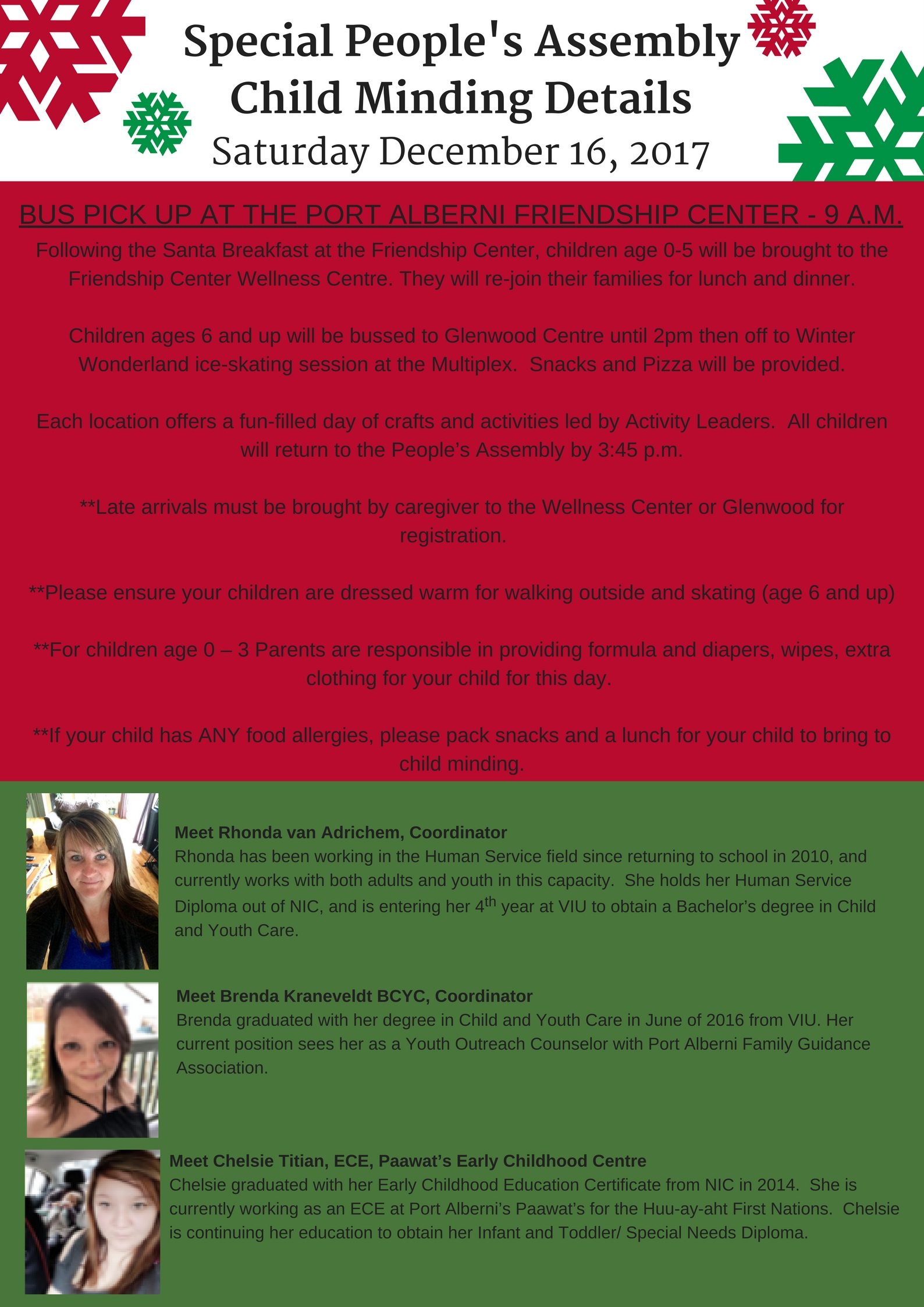
  • Childcare information for the Special People’s Assembly

    Childcare information for the Special People’s Assembly

    cm spa

    Children 6 years and older will be going to Glenwood Center and the bus will be departing the Port Alberni Friendship Center at
    9 a.m. sharp. If you are late and miss the bus, it is the parent’s responsibility to get their children there.

    Children 0-5 will be at the Port Alberni Friendship Wellness Center, it is the parent’s responsibility to provide diapers and to feed their children, as they will join their parents for lunch and dinner.

    If your child uses a stroller please bring it with you so the child minders can easily walk the children to the Friendship
    Wellness Center.


  • Help us help you get children out of foster care

    Huu-ay-aht First Nations is committed to building healthy families. The Nation has made a promise to its citizens to focus on supporting children and youth to grow up healthy, strong and connected to their families and the Nation. This means ensuring families stay together.

    With this in mind, the newly formed Social Services Project Panel is hosting another Citizen Engagement Day. This one will take place in Victoria on Thursday, March 9, 2017. The attached letter from the panel offers all of the details. Letter to Citizens

    If you live in the area, please attend to share your stories and experiences, and help us discover how we can help you get your child/children out of foster care.

    The panel is also planning a session in Anacla on April 30 and May 1, and they are working on a youth session for April 8 and 9 in Port Alberni. More details will be made available closer to these dates.

    Details for the next session:

    Thursday, March 9, 2017 – 10 am to 4 pm

    Harbour Towers Hotel & Suites, 345 Quebec Street, Victoria, Fairfield Room – Room 215

    10 am – Welcome
    10:30 am – Community Circle
    12:30 pm – Lunch
    1 – 3 – Community Circle
    3 – Break
    3:15 – 4 – Closing Remarks and Blanketing Ceremony

    Letter contents:

    Dear Huu-ay-aht Citizens,

    We are looking forward to hearing from you!

    Do you have stories or experiences that you would like to share about Huu-ay-aht ways of parenting, raising children and being a family?

    Do you have thoughts or ideas about how to “Bring Our Children Home”?  Please connect with us so that we can hear your concerns and your ‘made in Huu-ay-aht’ solutions.

    If you have missed a community engagement session in your area and wish to schedule a 1:1 interview with the Social Services Project panel members please be in touch.

    Please contact:  Sheila Charles 250-735-3552 or the Social Services Project panel members at hfnpanel@gmail.com to set up a time that is convenient for you.

    One-on-one sessions will continue until April 30, 2017.

    Thank you!

    Kim Baird, Lydia Hwitsum, Maegen Giltrow & Dr. Myles Blank

  • Register now for the 2017 Special People’s Assembly

    Register now for the 2017 Special People’s Assembly

    This is an archived post from 2017. The online form it originally included is no longer in service. For current information, see People’s Assembly.

    Executive Council would like to notify Huu-ay-aht Citizens that a Special People’s Assembly will be held on February 19, 2017. This assembly will address the matter of a proposed transaction with Western Forest Products and necessary approvals under the Land Act will be discussed, in addition to the referendum question that was the subject of public notice dated January 29, 2017.

    When: Sunday, February 19, 2017

    Where: Echo Centre, 4255 Wallace Street, Port Alberni with satellite locations in:

    • Anacla at the Government Office, 170 Nookemus Road
    • Nanaimo at the Coast Bastion Hotel, 11 Bastion Street
    • Victoria at the Songhees Conference Room, 1100 Admirals Road
    • Vancouver at the Aboriginal Mother Centre Society, 2019 Dundas Street

    For more details and the complete public notice, follow this link: Public Notice of People’s Assembly-Feb. 19, 2-17

    How to register? There are two options:

    a) Download this PDF version and follow the instructions within.


    Adobe If you do not have Adobe Reader installed, please click here

    b) Drop by and get a printed copy at any of our offices.

    This document is in the Citizen Portal, available to Huu-ay-aht citizens. Sign in to the Citizen Portal to open it.

  • Panel comes to Vancouver today to hear from citizens on Made-in-Huu-ay-aht childcare model

    Huu-ay-aht First Nations has identified “bringing our children home” as a priority for the Nation.

    Work has begun on an important project to keep Huu-ay-aht children safe, happy, healthy, and connected with their families and culture.

    Huu-ay-aht staff within the Community Services Department have been working hard to help support Huu-ay-aht children and families and have already shown leadership in building continuity and cultural connections for Huu-ay-aht children who are taken into care. But Huu-ay-aht government is also taking a careful and detailed look at what can and should be done under our Treaty powers to provide stronger support to our families and children who need it most.

    An independent four-member Panel has been appointed by Huu-ay-aht Executive Council to explore and recommend changes and improvements that can be made under our Treaty to child and family services for Huu-ay-aht families.

    In early January 2017, the Panel issued a public invitation to parents, grandparents, children, youth, foster parents, and caregivers who have experience around child protection, kinship caring, fostering, and adoption.
    These groups of people were asked to come to the first of the community engagement sessions to be held by the Panel, which took place in Port Alberni. The Panel asked people to come and share their experiences and ideas for “Made-in-Huu-ay-aht” solutions to support Huu-ay-aht children and their families. Huu-ay-aht staff supported the invitation by conducting a phone bee to reach as many citizens as possible, to encourage people to come to give their voices to this project.

    One session has been held in Port Alberni already, and today they are at the Skwachays Lodge at 2931 Pender St. in Vancouver. They invite anyone from the Lower Mainland to attend.
    Over two days at the Cedar Woods Lodge in Port Alberni on January 15 and 16, 2017, Huu-ay-aht community members came together and spoke bravely about their stories and experiences. Councillor Sheila Charles explained the origin of the project, and ƛiišin and Wišqii opened the community circle. As Wišqii said, “A circle has no sides.”

    Into the circle flowed the voices of parents who have seen their children taken into care, children who have been taken into care, adults who recalled their experiences at residential school and of being taken from their homes and families, as well as the voices of grandparents, great grandparents, and foster parents who have cared for Huu-ay-aht children when their parents have been unable to. People also spoke in private with Panel members, to allow for deeper and broader sharing of their experiences and of their ideas to strengthen support for Huu-ay-aht children and families.

    Throughout the two days, cultural support workers from the Nuu-chah-nulth Quuwasa Society listened and stood by, giving support to people as they needed it, and providing song, ceremony, and guidance.

    The Panel was very grateful for the open spirit all participants brought to this deeply difficult subject. The Huu-ay-aht solution can only come from Huu-ay-aht people. The Panel’s role is to listen so as to understand what is working and what is not working for Huu-ay-aht children and families, conduct external research into the best practices in child and family support, and make independent recommendations this spring for Huu-ay-aht consideration that are built upon Huu-ay-aht knowledge, experience, and law.

    Community engagement sessions in Nanaimo, Victoria and at Anacla will also be announced soon. All parents, grandparents, children, youth, foster parents, and caregivers are invited to attend any session that is convenient for them. The Panel will also be extending an invitation for youth specific engagement, as well as posting questions online for those who wish to submit their written comments to the Panel. Please stay tuned to the Huu-ay-aht website for updates.

    The Panel members are Kim Baird: Former Elected Chief of Tsawwassen First Nation (1999-2012), Order of Canada; Lydia Hwitsum: Former Elected Chief of Cowichan Tribes (1997-2001and 2007-11), Chair of First Nations Health Authority Board of Directors (2012-present); Dr. Myles Blank: Psychiatrist working with indigenous children, adults and families; Maegen Giltrow: Legal counsel with experience in Huu-ay-aht laws and Treaty implementation.

    RSVP is not required for community circles, but please contact the Panel if you intend to come, with any questions, or if you wish to arrange another time to meet with the Panel: hfnpanel@gmail.com.

  • Invitation to parents, grandparents, foster parents and Caregivers

    Panel seeks citizen input for Huu-ay-aht solution.

    Huu-ay-aht wishes to develop “Made-in-Huu-ay-aht” solutions that will help keep our children safe, happy, healthy, and connected to their Huu-ay-aht families and culture. An independent, four-member panel has been appointed to explore and recommend changes and improvements to child and family services for Huu-ay-aht families.

    The panel has respectfully requested that Huu-ay-aht citizens meet with them to share stories and experiences. The panel needs to hear and learn from our people and from all caregivers for our children to understand what is working and what is not working for Huu-ay-aht children and families.

    The Panel wishes to hear from us about:

    • You or your families experiences with child and family services,
    • Stories you have been told that guide or anchor a Huu-ay-aht way of caring for children and families,
    • Your thoughts and ideas about how to bring our children home and keep them safe, happy, healthy, and connected to our Huu-ay-aht culture.

    The panel is open to meeting in whatever way people feel safe and comfortable to discuss these important issues, for example, with individuals privately and confidentially, with family groups, and in community gatherings.

    The panel will also be available to meet in a variety of locations (e.g. Anacla, Port Alberni, Nanaimo, Vancouver). For those who prefer to provide input to the panel in writing please send your written comments to the panel at the email address below.

    The first community gathering with the panel will be:  

    Sunday             and             Monday
    January 15                          January 16
    12 to 5 p.m.                         9:30 a.m. to 5 p.m.

    At the Cedar Wood Lodge, 5895 River Road, Port Alberni, B.C.

    Meeting Materials 

    Agenda

    Community Services section of the Strategic Plan

    Everyone who has information to share is encouraged to come. Please contact the panel at hfnpanel@gmail.com.

  • Get your People’s Assembly registration form in now!

    Get your People’s Assembly registration form in now!

    This is an archived post from 2015. The online form it originally included is no longer in service. For current information, see People’s Assembly.

    We are listening! So, this year the People’s Assembly will offer three days to socialize, celebrate and move the Nation forward. If you have any questions about the registration process, please contact Coraleah Johnson (250.723.0100, Ext. 224, Coraleah.j@huuayaht.org).

    When? Friday, November 20 to Sunday, November 22

    Where? Barclay Hotel, Port Alberni

    Deadline to register: Friday, October 30th, 2015

    How to register? There are three options:

    a) Contact Phyllis Williams (Anacla Government Office, phone: 1.888.644.4555 / 250.728.3414) or Helen Robertson (Port Alberni Government Service, phone: 250.723.0100) who can help you fill out the form.

    b) Download this PDF version and follow the instructions within.

    People’s Assembly Registration Form

    Adobe If you do not have Adobe Reader installed, please click here

    c) Drop by and get a printed copy at any of our offices.

  • Huu-ay-aht Ta’yii Ḥaw̓ił welcomes Ahousaht canoe pullers ashore

    Huu-ay-aht Ta’yii Ḥaw̓ił welcomes Ahousaht canoe pullers ashore


    This slideshow requires JavaScript.

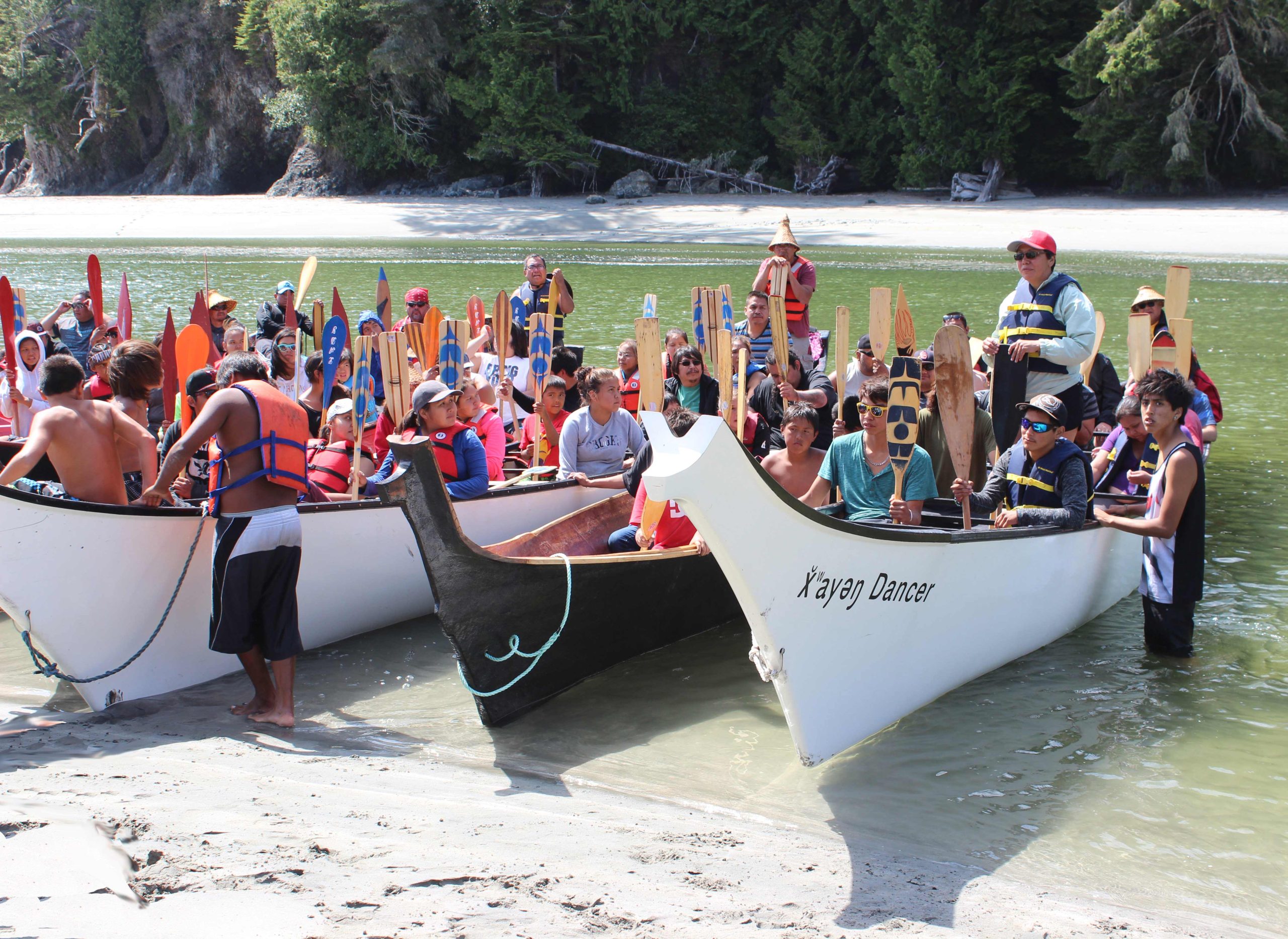
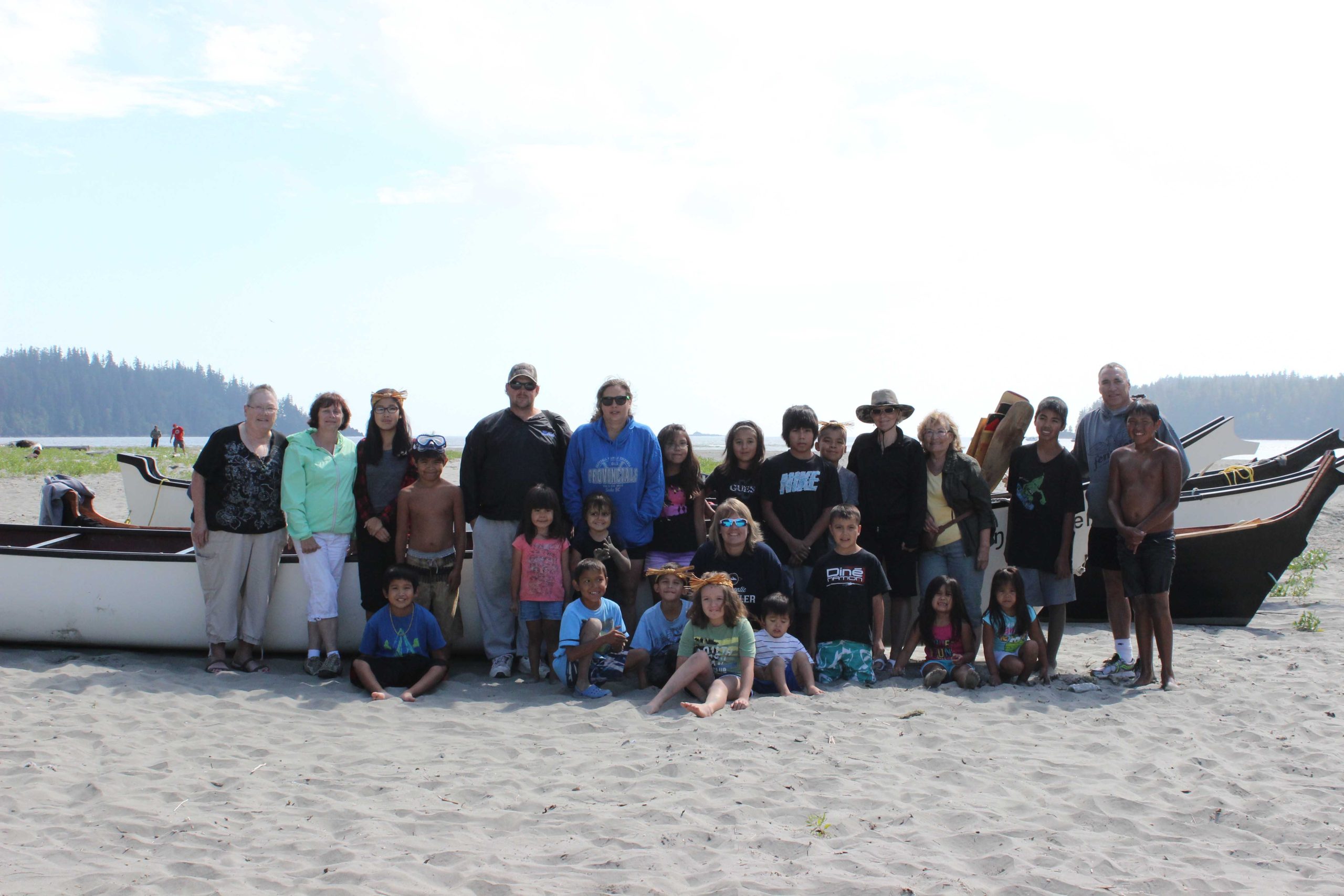
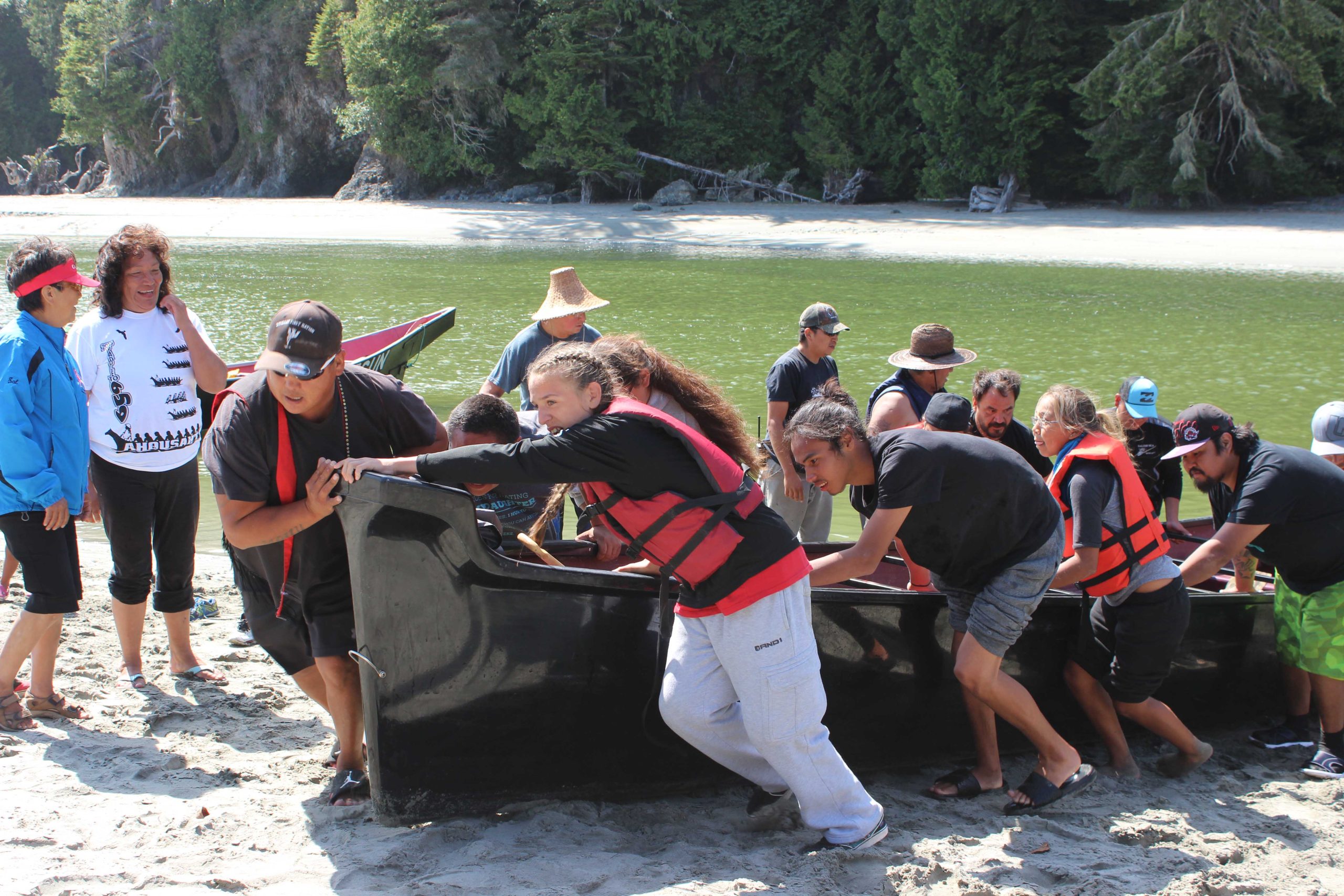
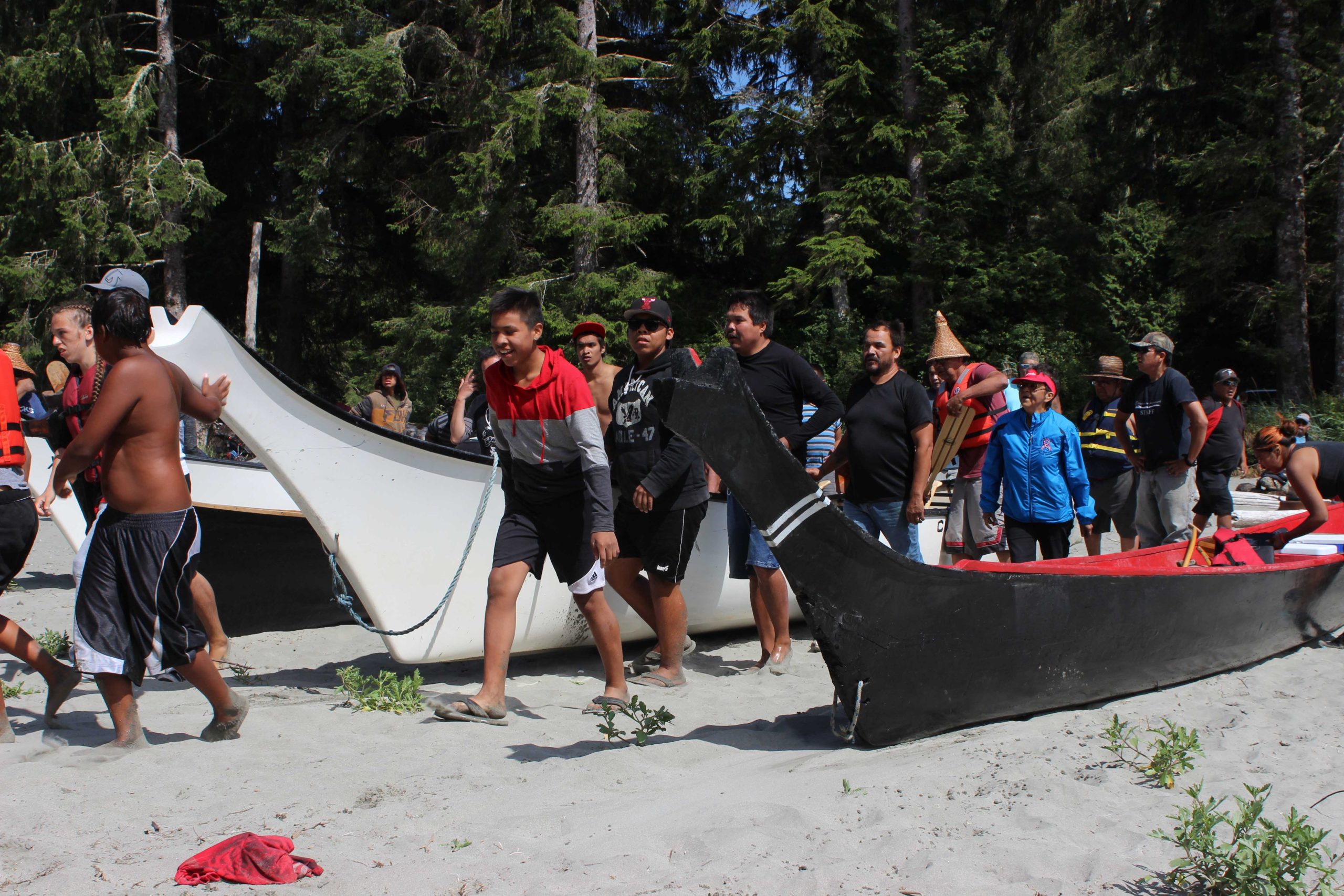
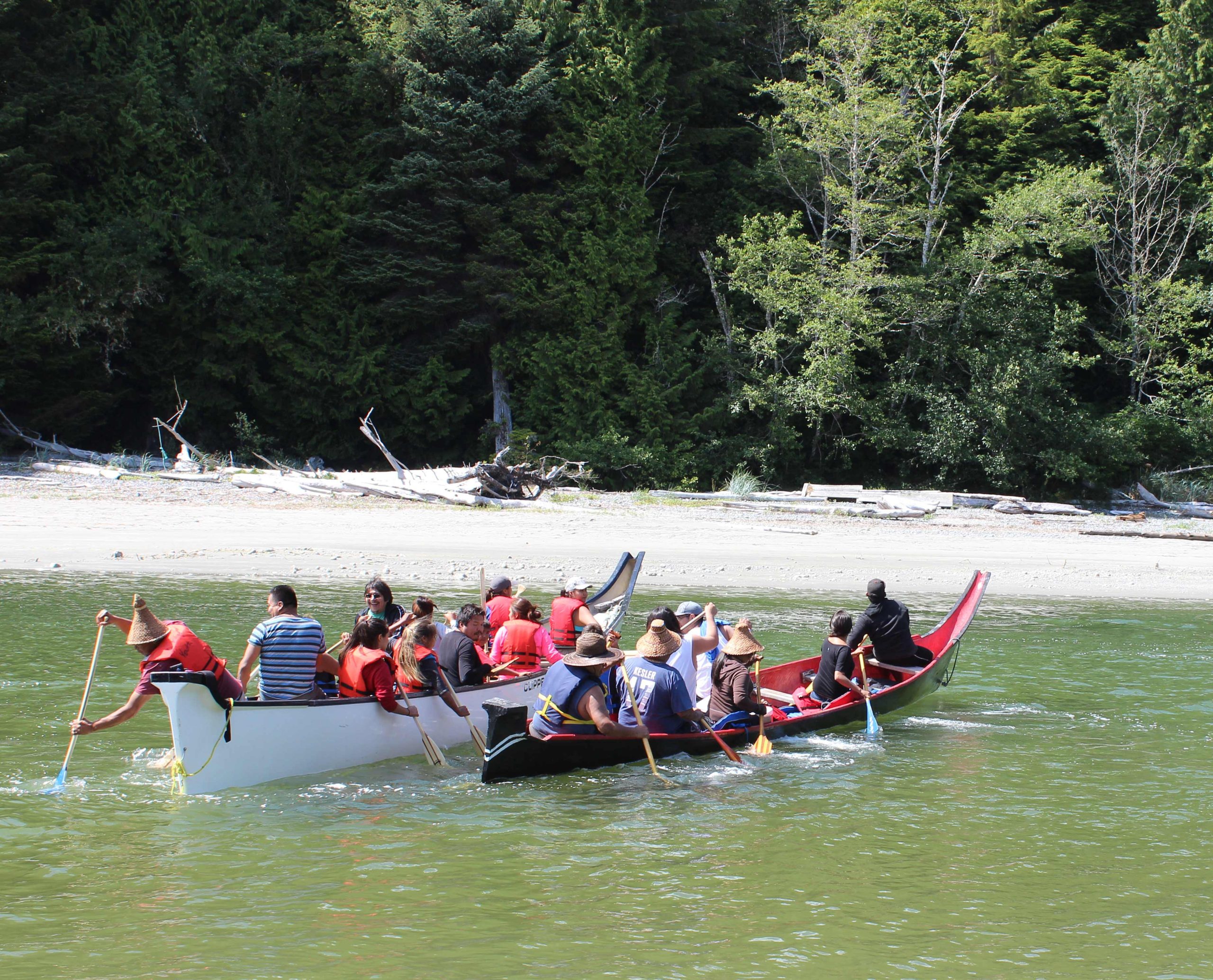
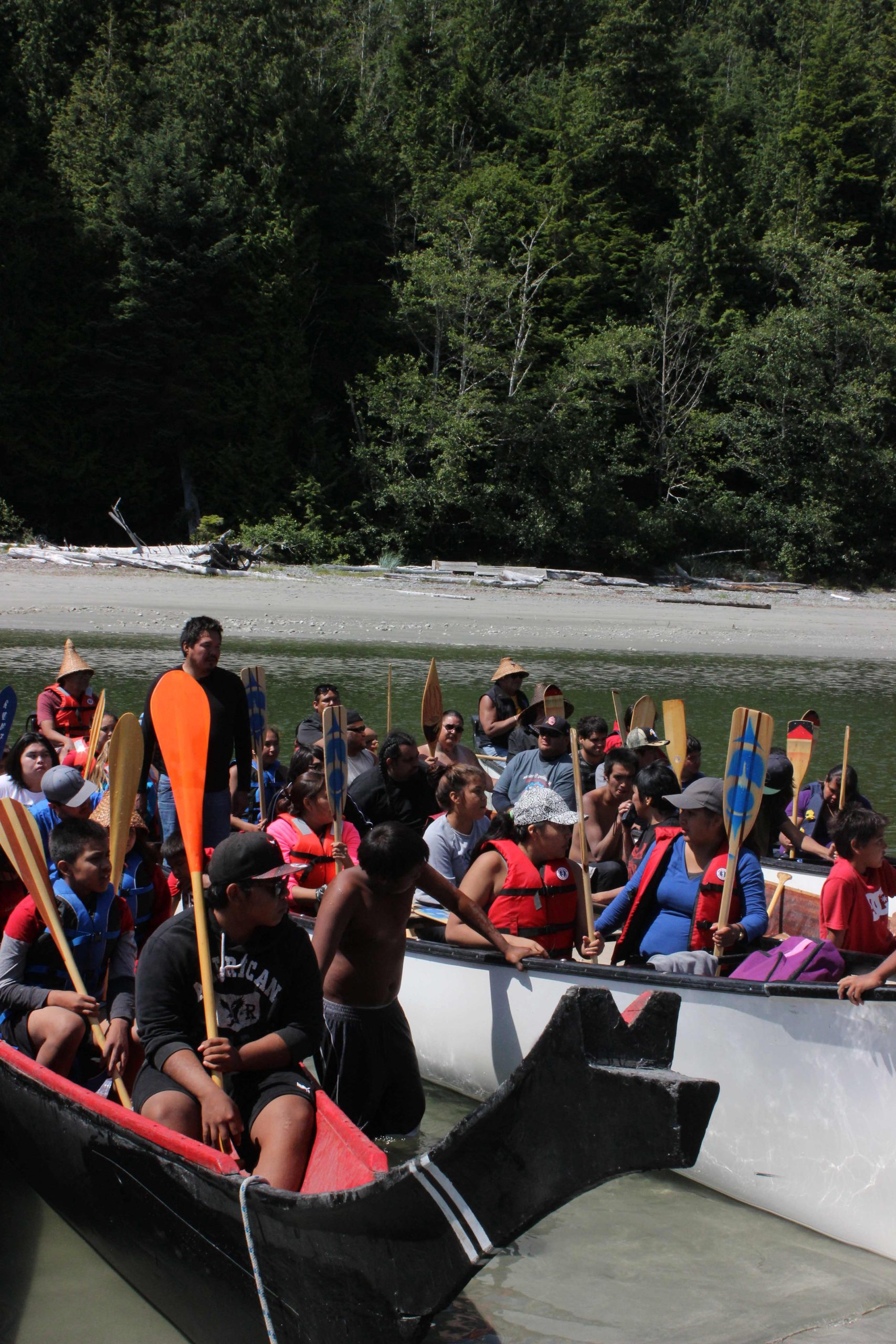
    As part of their annual Canoe Journey and to strengthen links with Huu-ay-aht First Nations, Ahousaht canoers arrived to Pachena Bay on July 23.

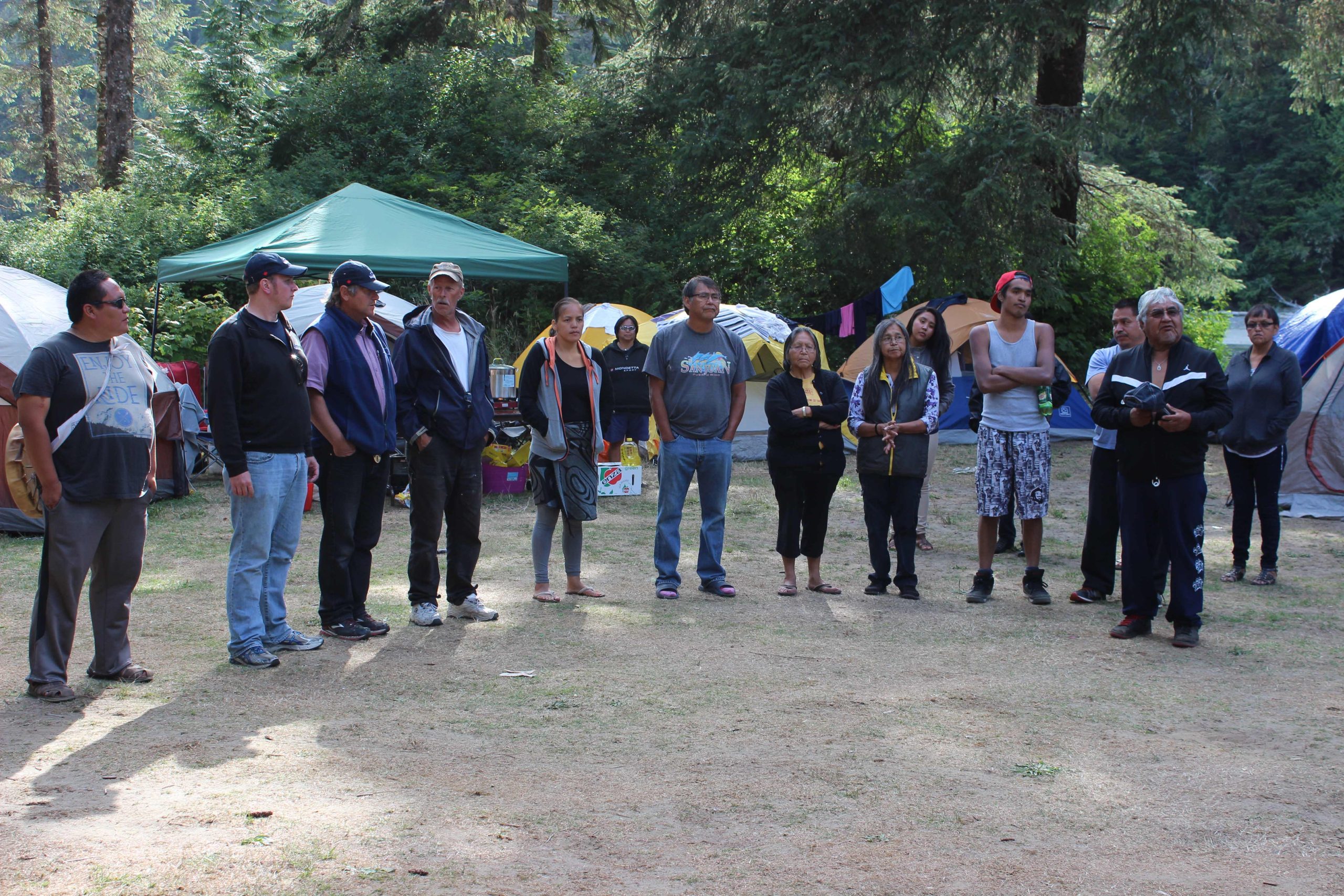
    A delegation, composed mostly by Huu-ay-aht’s beach keeper family (Peters), Ta’yii Ḥaw̓ił Derek Peters, his mother Norah, his daughter Olivia, his speaker Wish-key and Government staff welcomed the canoes ashore by following ancient protocols, at around 2 p.m. Afterwards the team leaders introduced themselves to the audience, cheered and had time to rest before the feast.

    The annual Canoe Journey started in Seattle, in 1989. A teacher named Emmett Oliver (Quinault) wanted to give First Nations proper representation at the State of Washington’s centennial celebration and came up with the idea. This year, it was broken into different routes with stopovers that allowed paddlers to rest and others to join the teams along the journey. In this way it was less time consuming, safer and more affordable.

    Ahousaht Youth Counsellor Louie Frank Jr. (ciixʷis) was among the canoe pullers. He said paddling together taught the youth and other citizens what collaborative teamwork means. It was also a good workout, reinforced their values and revitalized their traditions.

    Dorothy George, member of the ground crew, said approximately 150 people were part of this adventure and represented four generations. She was delighted to be at Pachena Bay.

    Guardian and Social worker at USMA, Penny Mathews, considered this a unique opportunity for kids in foster care. They were visiting our Cultural Camp, received cedar headbands, witnessed the arrival of the canoes and shared dinner with the crowd. At least 10 of the children have Huu-ay-aht ancestors or are citizens, while two belong to Ahousaht.

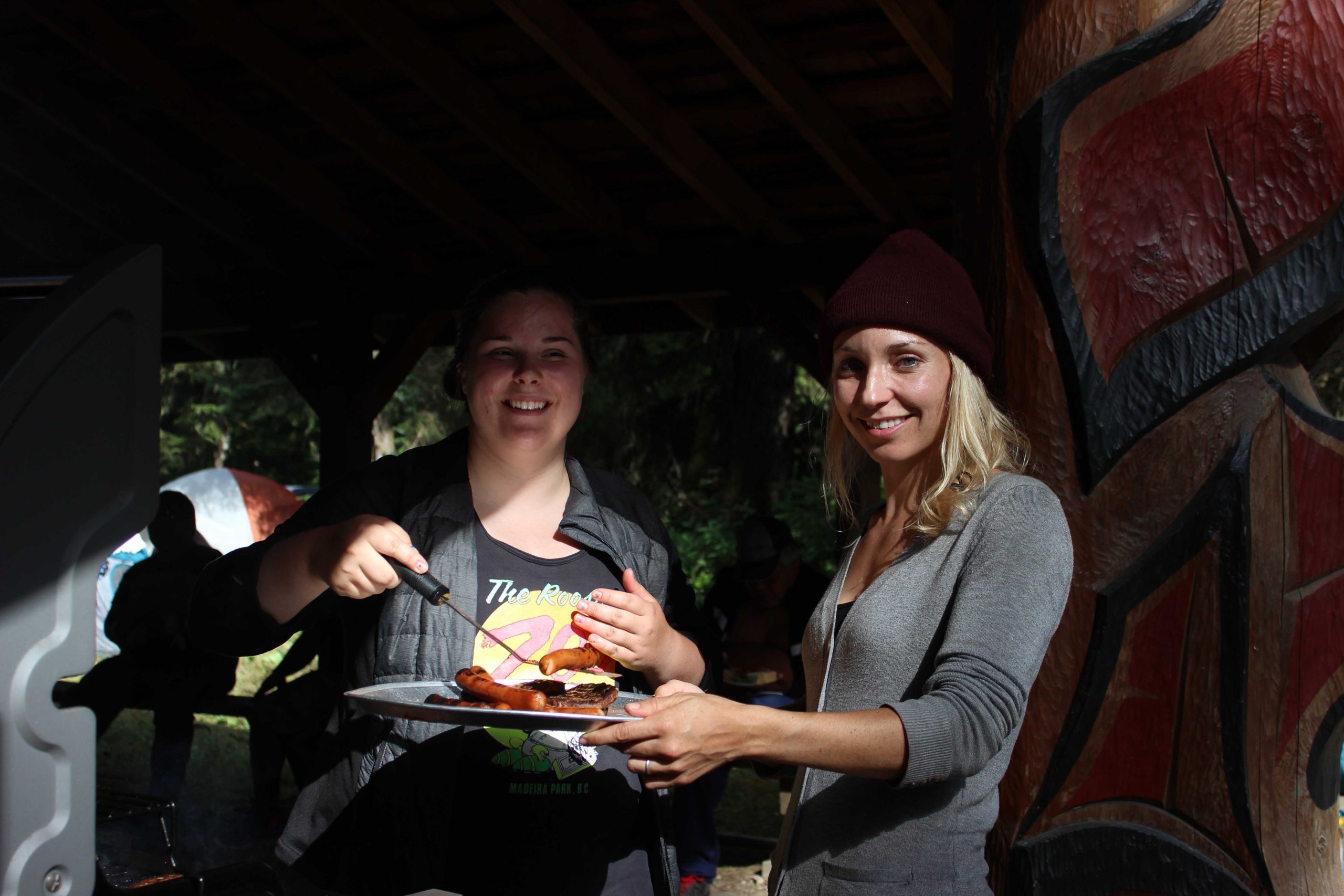
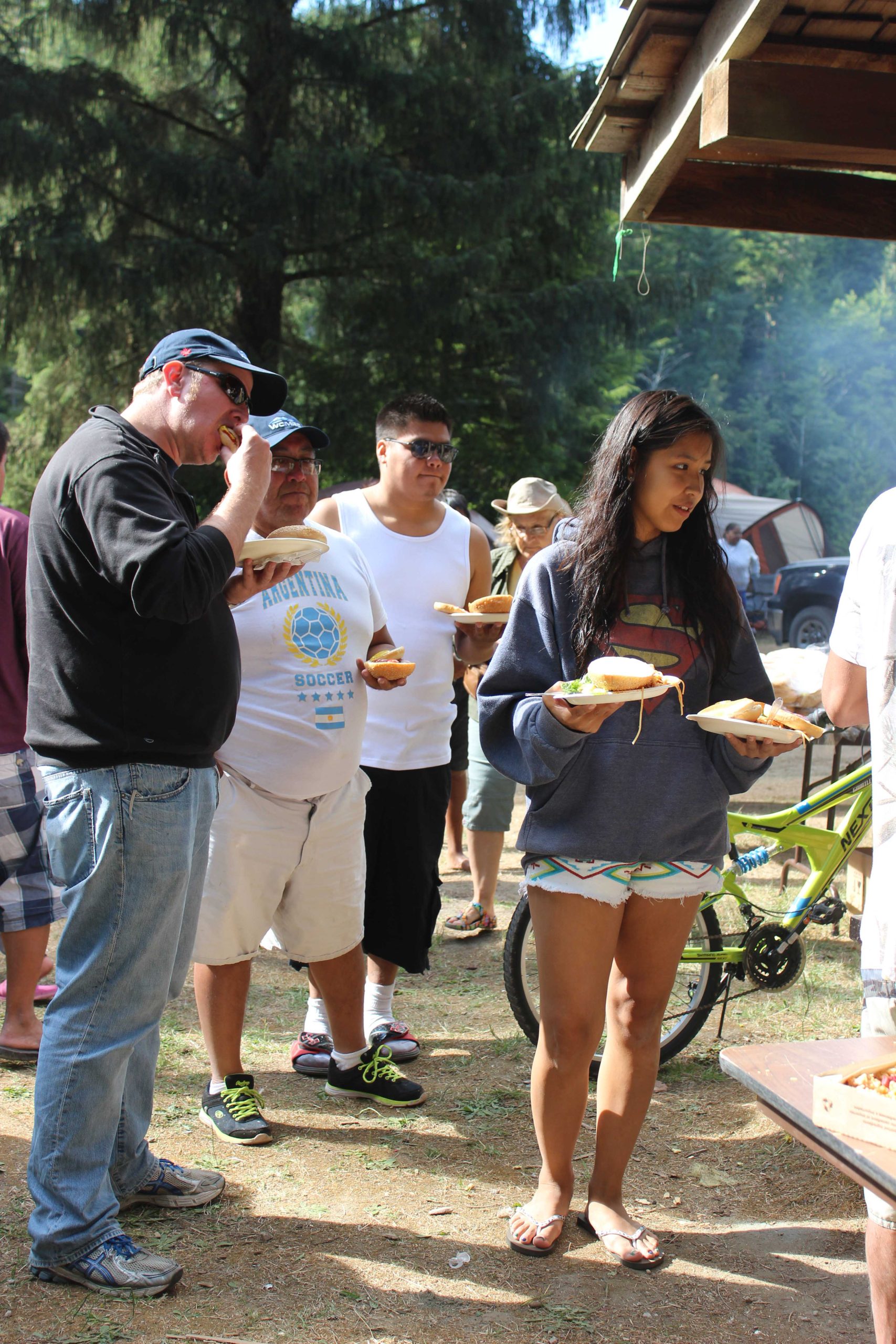
    Six canoes in total took part – four black and two white ones. Some of them were unnamed, one of them featured a hummingbird and the rest had names such as Clipper and Quw̕utsun. Huu-ay-aht acknowledges the generosity of Georgie Nookemus Jr. who donated crab, Jane Peters who prepared a pasta dish, which was devoured in seconds, Judy Johnson for the fish, Zelta Clappis for the bannock and other dishes, USMA for the Caesar salad, Pachena Bay Campground staff for their support, and BMSC students Aviva Lessard, Ian Sellers, Kierstin Hamilton and Ria Hoyer, who volunteered for the set up and cooking.

    With information from:

    Ahousaht, Muckleshoot, Semiahmoo and Sliammon Host Canoe Journeys

    Richard Walker (July 2nd, 2015)

    Retrieved from: http://indiancountrytodaymedianetwork.com/2015/07/02/ahousaht-muckleshoot-semiahmoo-and-sliammon-host-canoe-journeys-160924

  • Trades Discovery Program Application Form

    This is an archived post from 2015. The online form it originally included is no longer in service. For current information, see Education & Employment.

    Huu-ay-aht is committed to move the Nation forward. Let us know how we can help you achieve your goals by filling out this form:

    PDF version

    DOCX version